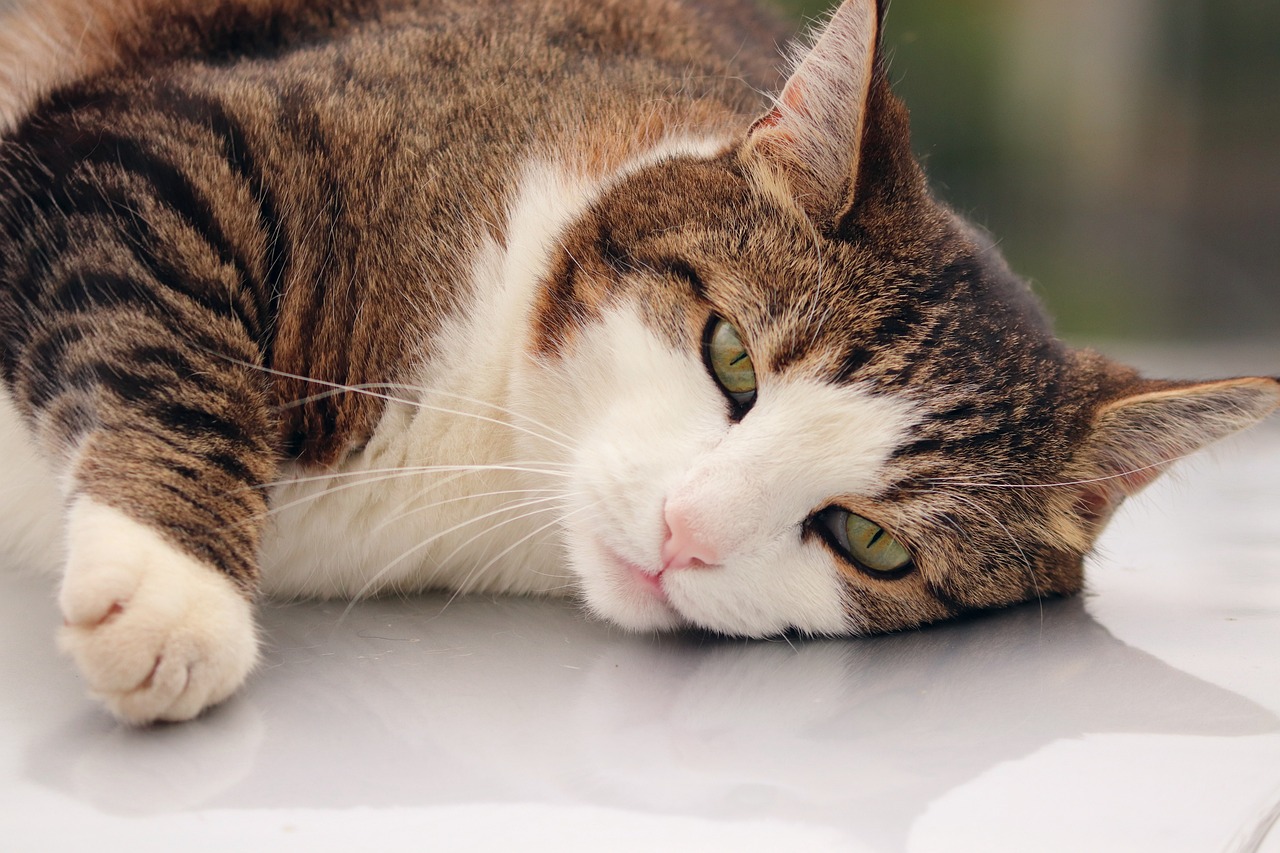

How to Handle Attention Deficit Behaviors in Cats
Understanding a cat’s attention span is essential for fostering a positive relationship with your feline friend. Cats, by nature, exhibit unique attention spans influenced by various factors, such as age, environment, and individual temperament. If you notice that your cat frequently loses interest in play or seems distracted easily, it could be indicative of attention deficit behaviors. These behaviors are not uncommon, and recognizing their manifestations is the first step toward effective management. Providing stimulating environments, such as interactive toys and puzzles, can help keep your cat engaged. Regularly changing activities ensures novelty, which is critical for maintaining your cat’s interest. Paying attention to your cat’s cues allows you to tailor activities to their preferences. Additionally, incorporating structured playtime can reinforce focus and interest. Remember that some cats are naturally more inclined to be attention-seeking than others. Understanding your cat’s behavior means observing their body language, vocalizations, and responses to stimuli. Thus, knowing when to intervene can significantly affect your cat’s behaviors and overall well-being.
Attention span in cats can be significantly influenced by environmental factors. Creating a stimulating home environment for your cat is key to maintaining their engagement levels. Simple changes, such as introducing vertical spaces, can boost your cat’s interest in their surroundings. Cats are naturally curious animals and thrive when provided with opportunities to explore. Consider adding climbing trees or cat condos that allow your cat to observe their territory from a height. Moreover, incorporating elements like scratching posts ensures that they can exercise their natural instincts in a healthy way. Regularly rotating toys and adding interactive features can keep your cat mentally stimulated. Engage them in games that mimic hunting behavior, such as feather wands or laser pointers. These activities help in honing their focus and attention. It’s also essential to monitor your cat’s health, as issues like anxiety or physical discomfort can drastically impact their ability to concentrate. Creating a safe space where your cat feels secure is crucial in nurturing their attention span. Always remember that patience is vital; understanding your cat’s unique needs plays a significant role in managing attention deficit behaviors.
Recognizing Attention Deficit Behaviors
Cats may exhibit specific signs of attention deficit behaviors that are crucial for pet owners to identify. One prevalent indicator is consistent restlessness or a lack of engagement in activities. If your cat appears to lose interest in toys quickly or frequently abandons playtime, it might signal that their attention span is lacking. Additionally, you may notice that your cat seems overly curious, often exploring areas they shouldn’t be. This behavior can stem from a need for mental stimulation. Other signs include excessive sleeping or seeming disinterested in interacting with family members. If your cat becomes easily startled or appears anxious in new situations, it reflects their inability to focus. Understanding these behaviors enables you to take proactive measures. Implementing short bursts of focused playtime can help manage these attention challenges effectively. Creating an enriching atmosphere is critical, including sensory toys that engage their instincts. Always remember that understanding your cat’s personality is key. Each cat is unique; therefore, their attention needs may vary widely, making it essential to tailor activities specifically for them.
Once you’ve identified attention deficit behaviors in your cat, developing a structured routine is vital. Consistency is crucial in building your cat’s focus and attention over time. Allocating specific times for play, feeding, and relaxation creates a sense of predictability. Predicable schedules can help reduce anxiety and excess energy, fostering a calmer demeanor in your pet. Cats often feel more secure when they know what to expect, which in turn can lead to improved attention span. Additionally, engaging your cat during playtime by using toys that offer mental and physical challenges can significantly enhance their focus. Games that involve strategically hiding treats or using puzzle feeders compel your cat to engage mentally while seeking their meals. This strategy reinforces problem-solving skills while extending their attention span. Moreover, it’s important to limit distractions during play sessions. Close curtains or turn off devices that might catch your cat’s eye. Silence background noise to create an environment conducive to concentration. Over time, you may notice improved focus and interest in both play and interaction, leading to a healthier and happier cat.
Incorporating Enrichment Activities
Incorporating enrichment activities into your cat’s daily routine can alleviate attention deficits significantly. These activities enhance your cat’s surroundings and promote cognitive and physical stimulation. Activities like hiding food in various locations encourage exploration and problem-solving skills. Encouraging active play with interactive toys allows your cat to engage their instincts while focusing their energy, making them feel accomplished. Using homemade toys, such as crumpled paper balls or cardboard boxes, can also provide inexpensive entertainment that stimulates curiosity and interaction. Schedule regular play sessions and vary the types of activities offered to maintain your cat’s interest. For instance, alternating between laser pointers, feather toys, and treat-dispensing puzzles provides variety and excitement. Furthermore, rotating toys weekly can help to prevent boredom, making old toys feel new again. Consider involving different family members in cat playtime to facilitate social interaction and enhance your cat’s attentiveness. Regularly scheduled enrichment activities can also build trust between you and your pet, encouraging a more focused response to your commands or requests. Overall, enriched environments create happier, more engaged, and less distracted cats.
Recognizing and addressing attention deficit behaviors in your cat can lead to a healthier, more fulfilling relationship. Paying close attention to your feline friend’s cues is vital in understanding their needs. The incorporation of structured play, consistent routines, and mental stimulation activities has a profoundly positive impact on your cat’s focus. Spending quality time with your cat fosters bonding and builds trust. It is also beneficial to consult with a veterinarian or animal behaviorist if behaviors persist despite your efforts. They can provide insights and additional strategies tailored to your cat’s specific needs. Remember that patience and understanding are key; changes in behavior may take time to materialize. A holistic approach combining environmental changes, behavioral observations, and mental enrichment will yield the best results. Each cat is unique, adapting your techniques to their specific preferences is crucial for success. In conclusion, addressing attention deficit behaviors in your feline friends is achievable with consistent effort and the right strategies. By creating a supportive environment and engaging in stimulating activities, you can help your cat thrive.
Final Thoughts
Properly addressing attention deficit behaviors in your cat can lead to a more harmonious and enriched life for both you and your pet. The importance of understanding your cat’s behavior cannot be overstated; their attention span can vary due to many factors. Providing continuous mental and physical stimulation through playtime and enrichment activities ensures your cat remains engaged. Consider implementing a combination of structured routines, unexpected surprises, and playful interactions to combat attention deficiencies effectively. It is essential to tailor your approach, as no two cats respond identically to stimuli. Take the time to observe which activities resonate best with your cat’s preferences. Creating a loving space, coupled with patience and acknowledgment of your cat’s unique qualities, leads to a profound improvement in their overall behavior and wellbeing. As you enhance your cat’s environmental experiences, their attention span will likely increase significantly, resulting in more interactive play sessions. Ultimately, a proactive approach can transform not only your cat’s attention span but also the bond you share, fostering an incredibly rewarding companionship.
Investing time and effort into understanding your cat’s attention span is invaluable. Experiencing a deeper connection with your feline friend fosters fulfillment in both your lives. With the strategies mentioned above, you can effectively address attention deficit behaviors and create a nurturing environment that enables growth and happy interactions. Being proactive is essential in discovering new ways to keep your cat engaged and focused. Recognizing your cat as a unique individual allows for personal growth and better interpersonal communication. Focus on enjoying the learning process as you explore avenues of play that work well for you and your pet. Ultimately, this relationship is about mutual respect, love, and understanding. Celebrate even small victories along the journey of managing attention span behaviors. With the right attitude and techniques, your cat will flourish in an environment tailored to their needs. Remember that learning is a continuous process, and you can always adapt your strategies as you learn more about your cat. Therefore, approach each day with excitement and a willingness to learn together. Engage in activities that not only capture your cat’s attention but also bring joy to your life.