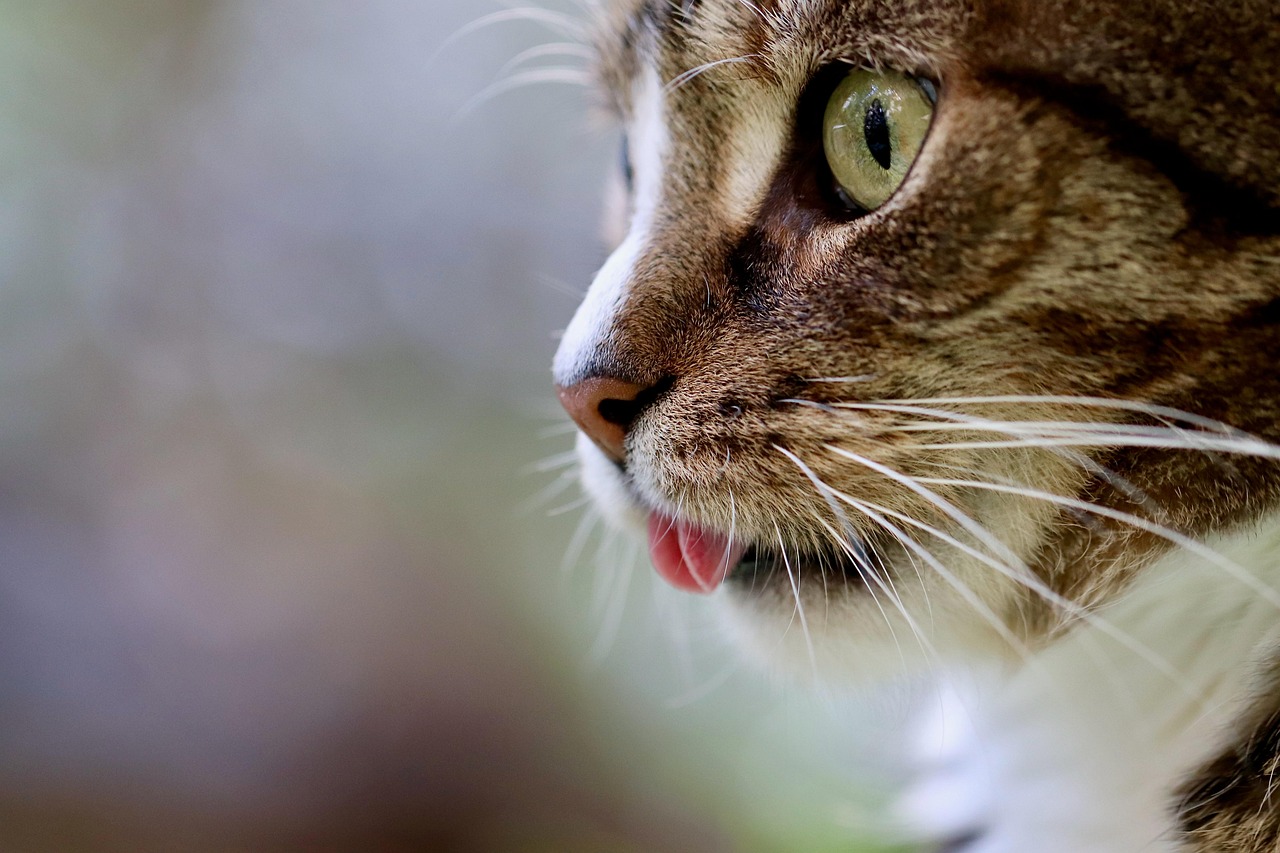

Everything You Should Know About Feline Vaccination Myths
Feline vaccinations are often shrouded in numerous myths that can confuse cat owners. Many people believe that indoor cats do not need vaccinations at all, which is a common misconception. Vaccinations help protect cats against a variety of diseases, some of which can be transmitted even to indoor cats. It’s essential to understand that without vaccinations, your beloved feline could be at risk for serious health issues. Vaccines provide immunity against diseases like feline leukemia, rabies, and feline distemper. These health risks are not limited to outdoor cats, making it crucial to vaccinate all cats regardless of their living situation. Another myth suggests that vaccines cause more harm than good; however, research indicates the effectiveness and safety of vaccines are well-established. Side effects, if they occur, are typically mild and temporary. For proper guidance, consult with your veterinarian, who can provide specific recommendations based on your cat’s lifestyle and health history. In conclusion, cat vaccinations are a vital part of responsible pet ownership and should not be overlooked.
One popular belief is that vaccination can lead to behavioral changes in cats, which is an unfounded myth. Scientific studies indicate that there is no proven link between vaccinations and behavioral shifts in felines. It’s vital to distinguish between actual medical reactions and the logical stress that cats may experience from veterinary visits. Sometimes, owners misinterpret a cat’s anxious or hiding behavior after a vaccine as a side effect, but this is often just a natural reaction to being in an unfamiliar environment. Socializing your cat and providing a calm atmosphere during visits can minimize stress. Moreover, some owners think that their cats are fully protected after just one vaccination. Typically, a series of vaccinations is necessary to ensure full immunity, especially for kittens. Annual booster shots are also essential to maintain that immunity as your cat ages. Regular health checkups are crucial, as they help veterinarians monitor your cat’s health and determine if further vaccinations are necessary. Overall, understanding the truth behind these myths can aid you as a cat owner in making informed decisions for your pet’s health.
The misconception that vaccinations are only necessary for young kittens can be dangerous. Adult cats also require vaccinations to protect them from diseases they might encounter throughout their lives. A cat’s immunity can decrease over time, making it important to keep them updated on vaccinations according to veterinary guidelines. It’s not simply about initial vaccinations while they’re young, but a lifelong commitment to their health. Additionally, some owners believe that a cat’s natural immunity is enough to combat diseases. While some cats may have stronger immune systems, relying solely on natural immunity can leave them vulnerable to infections. Vaccination acts as preemptive protection against serious diseases and ensures a stronger immune response. Furthermore, the belief that vaccinations are too expensive is a barrier to health care access for many pet owners. When you factor in potential treatment costs for diseases that could have been prevented with vaccinations, the initial investment is minimal in comparison to the potential suffering and expense of treating a sick cat. Preventative health care through vaccinations is a financially sound decision for cat owners.
The Importance of Tailored Vaccination Plans
Every cat has unique health needs depending on its age, lifestyle, and environment. Therefore, working closely with a veterinarian to create a tailored vaccination plan is paramount. This plan should account for factors like your cat’s travel habits, exposure to other animals, and any preexisting health issues. Kittens typically begin their vaccination schedules around eight weeks of age, followed by booster shots as they grow. However, mature cats may require different vaccination intervals depending on their lifestyle. For instance, outdoor cats might need more frequent vaccinations compared to strictly indoor cats due to higher exposure to various pathogens. Some owners may also be concerned about over-vaccination or “vaccine overload.” Discussing concerns with a veterinarian can lead to a better understanding of the appropriate vaccines needed. Your veterinarian can also educate you on the risks versus benefits of vaccinations. In doing so, they ensure your cat remains healthy throughout its life while alleviating worries about unnecessary treatments. A tailored approach to vaccinations contributes significantly toward promoting the longevity and happiness of felines.
Another common myth involves the idea that only some vaccinations are necessary while others are optional. While some vaccines are considered core—such as those for rabies and feline herpesvirus—others, such as those for feline leukemia, might be labeled non-core, but are highly recommended in certain situations. For instance, cats that live in multiple-cat households or those exposed to outdoor elements should definitely receive the feline leukemia vaccine, as they are at an increased risk of exposure. To properly assess your cat’s needs, it’s crucial to discuss lifestyle and living conditions with your veterinarian, ensuring that all risk factors are considered. Additionally, the belief that vaccines are only effective for a limited time can also be misleading. With regular booster shots, the protection level can be extended greatly, ensuring prolonged immunity. Each cat’s immune response varies, and your veterinarian will know what best fits for your feline. Understanding the reasoning behind vaccinations, including their essential role in overall health, will help break any myths that may arise as a loving pet owner looking to keep them healthy.
When discussing vaccinations, the safety of vaccines often comes into play, as some worry about adverse reactions. Statistically, serious vaccine reactions are quite rare; the vast majority of cats experience either no side effects or only mild ones. Common mild reactions may include slight fever, lethargy, or localized swelling at the injection site. Monitoring your cat post-vaccination is advisable, but extreme reactions are infrequent. Furthermore, there is an alarming myth suggesting that vaccines can cause autism or other behavioral disorders. This is wholly unfounded and debunked by scientific research. Vaccines undergo extensive testing before being approved for use, ensuring their safety and efficacy. Your veterinarian can also provide reassurance and knowledge about the safety profiles of different vaccines. If there are medical concerns specific to your cat, discussing them can lead to alternatives or pre-vaccination assessments to address them. Ultimately, fostering an open, transparent dialogue with your vet about any concerns can ease fears about vaccinations and lead to healthier cats. Remember that the benefits of vaccination heavily outweigh the risks, ensuring a better chance for a long, happy life.
Conclusion: The Truth About Cat Vaccinations
Dispelling myths related to feline vaccinations is crucial not just to ensure cat health, but also to enhance owner awareness. Educated pet owners make informed decisions, which leads to a healthier population of cats overall. Ensuring that these cats grow up in healthy environments can foster stronger, happier relationships between pets and their humans. Particularly regarding vaccinations, consistent communication with a veterinarian is necessary. Feline vaccinations protect against various diseases, enhance immunity, and keep cats healthy throughout their lives. As an owner, committing to a vaccination schedule and understanding the need for booster shots plays a vital role in safeguarding their health. Through ongoing education and addressing any misconceptions, the overall wellness of the feline community can be improved. While some myths may persist, the focus should shift towards the valued role vaccinations play in disease prevention and the overall health of your beloved feline friends. Cats depend on us as their guardians to provide the best defense against harmful diseases. With the right information and proper veterinary care, we can ensure our cats live longer, healthier lives.
Understanding the basis for various vaccination myths is key to protecting your beloved feline. Ensuring that myths do not sway your decisions is central to successful pet ownership and caring for your pets. Choose to seek out guidance, remain informed, and always prioritize your cat’s health by recognizing the vital role vaccinations play in keeping them safe.