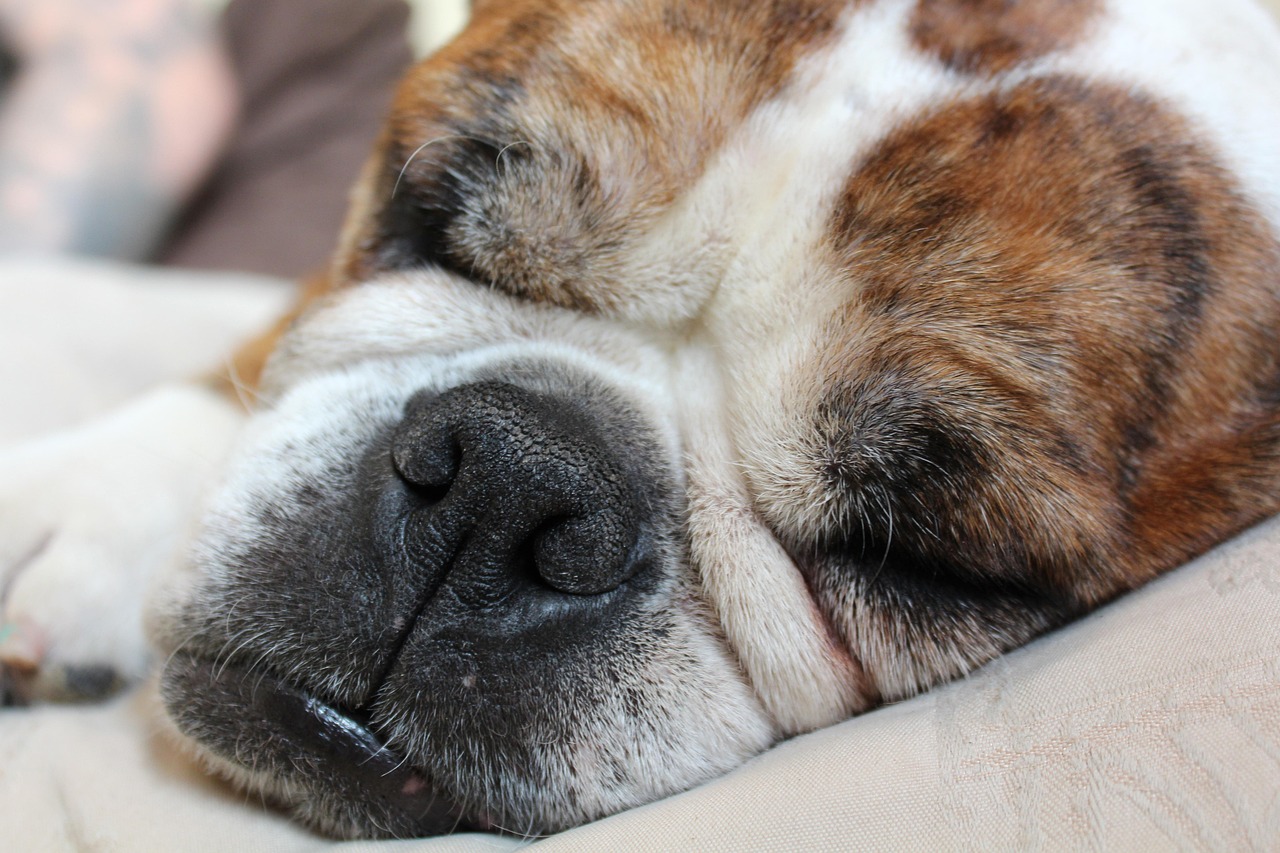

Changes in Sleep Patterns in Aging Dogs
Aging can significantly impact a dog’s sleep patterns, just as it does in humans. Dogs undergo various physiological changes that can alter their sleep behavior. As dogs age, they may experience increased instances of insomnia. This may result from changes in their neurological function or discomfort due to arthritis. Consequently, older dogs may sleep less soundly and experience more frequent awakenings. This disruption can lead to behavioral issues as accumulated fatigue may affect their mood and behavior during the day. Moreover, aging may contribute to increased anxiety in dogs, potentially affecting their sleep. To address these changes, it is essential to provide a calm and comfortable sleeping environment. This includes a warm, quiet place away from household chaos. Additionally, maintaining a consistent routine can help in adjusting their internal clock. Ensuring they get enough physical and mental stimulation during the day can also promote better sleep at night. If your aging dog shows significant changes in sleep patterns, it may warrant a visit to your veterinarian for a thorough evaluation. Tailored interventions can make a considerable difference in their quality of life.
Understanding the reasons behind sleeping difficulties in aging dogs is crucial. A deeper insight into their sleeping patterns can help pet owners address potential underlying issues. One common factor is the decrease in deep sleep stages in older dogs. These stages are vital for physical and mental restoration. In fact, without adequate deep sleep, not only does a dog feel fatigued, but their cognitive functions decline. Research indicates that conditions like Canine Cognitive Dysfunction (CCD) may impact sleep patterns negatively. Dogs with CCD might display confusion or disturbances at night. To better grasp the impact of aging on dog psychology, it is vital to monitor your elderly dog’s behavior closely over time. Pet owners can record their dog’s sleep cycle to identify patterns that deviate from normal behavior. Ensuring a comfortable sleeping environment becomes increasingly important as these issues arise. Strategies such as using orthopedic dog beds can alleviate pain and promote restorative sleep. Simple adjustments in the household like dimming lights during night hours may also help signal bedtime for your dog.
Changes in a dog’s nighttime behavior can reflect underlying distress during the aging process. Dogs may set up nighttime alarms indicating discomfort or anxiety. These changes can manifest as excessive barking, pacing, or showing signs of restlessness. Behavioral issues often emerge when aging dogs struggle to adjust to their declining physical health. Pets tend to perceive their environment differently as they age, which may contribute to anxiety and affect sleep. Providing essential comfort items such as familiar blankets or toys can help ease their anxiety and promote sleep. Additionally, engaging in evening rituals like gentle massaging may calm these dogs. Playtime within designated hours also helps expel excess energy leading to a peaceful night. While older dogs may require fewer hours of sleep, ensuring that they still experience restorative cycles is critical. In many circumstances, puppies develop sleep patterns by mimicking their adult counterparts. Aging dogs may eventually settle into similar habits, reflecting their lifelong experience with sleep needs. Implementing minor changes in routine can greatly aid aging dogs in coping with these transitions.
Medical Considerations and Interventions
Pet owners must also be aware of medical conditions that can affect sleep in older dogs. Illnesses, pain, or medication side effects can significantly disrupt a dog’s sleep cycle. It’s essential to consult a veterinarian when noticeable behavioral changes occur. Conditions such as hormonal imbalances, heart diseases, or neurological disorders often play a critical role in sleep issues. Vets recommend regular check-ups for older dogs to detect these conditions early. Moreover, obtaining a proper diagnosis can facilitate prompt treatment, thereby promoting overall well-being. Senior dogs with chronic pain may benefit from pain relief strategies. This might include anti-inflammatory medications or supplements. Additionally, a vet may prescribe medications specifically designed to improve sleep quality in older pets. Regular monitoring allows pet owners to adapt routines according to their pet’s evolving needs. Collaboration between pet owners and veterinarians can lead to customized treatment plans. By addressing medical concerns, dogs can achieve restful sleep, leading to improved quality of life. Aside from medication, behavioral modifications remain essential for ensuring long-term sleep quality in aging dogs.
Dietary factors also profoundly affect sleep in aging dogs. Older dogs may require specialized diets catering to their changed nutritional needs. Nutrients play a considerable role in regulating sleep patterns, and providing high-quality dog food can enhance sleep quality. For instance, ingredients rich in omega fatty acids may reduce inflammation affecting comfort during sleep. Additionally, foods containing L-tryptophan may promote feelings of calm, aiding in better sleep. Some dog owners choose to supplement their pet’s diet with natural calming agents such as valerian root or chamomile. However, before introducing supplements, consultation with a veterinarian is essential to ensure safety and efficacy. Hydration is also crucial; aging dogs often don’t drink enough water, leading to nocturnal disturbances. Pet owners should keep their dogs well hydrated throughout the day. Specifically scheduling evening feeding times away from bedtime may ensure they aren’t waking up due to digestive issues. Suitable portion control also aids in ensuring that your dog remains at a healthy weight. A balanced diet fosters overall wellness, making it integral in creating a conducive sleep environment.
Creating an Optimal Sleep Environment
To enhance sleep quality in aging dogs, providing an optimal sleep environment is vital. Factors impacting their environment include noise levels, temperature, and comfort. A serene sleeping area can significantly elevate the quality of sleep that dogs experience. Soft bedding helps alleviate pressure on joints, which is vital for older dogs experiencing arthritis. Additionally, keeping the sleeping area free of disturbances from household activities can enable better rest. Select a low-traffic area in the home to set up your dog’s bed. Finally, using soothing aromatherapy may help calm anxious dogs before bedtime. Essential oils such as lavender can create a relaxing atmosphere that encourages sleep. Always ensure the safety of any elements within their environment. A dog’s sleep area should be both secure and easily accessible. Ensuring their space stays clutter-free can also assist in preventing accidents during the night. Although aging dogs may generally sleep less, ensuring they receive the best possible conditions can promote a healthier lifestyle overall. Discovering their preferred temperature can significantly enhance their comfort, leading to longer sleep durations each night.
Behavioral adjustments are crucial in helping aging dogs adapt to changes in sleep patterns. Caregivers should remain observant and responsive to their pets’ needs. Recognizing when a dog is restless or showing signs of discomfort can guide appropriate interventions. Establishing a calming routine may aid dogs in feeling secure at night. Consistently engaging in soothing activities before bed can signal a winding-down period, prompting relaxation. Activities such as light exercise in the evenings can also facilitate better sleep. Understanding the individual preferences of each dog is vital; some dogs may prefer snuggles while others may desire solitude. Regular health assessments help identify any developing issues, therefore promoting proactive care. Training sessions that focus on gentle commands can also decrease anxiety related to nightly fear. By nurturing a sense of security, aging dogs can reach a more relaxed state conducive to sleep. Ultimately, a multifaceted approach encompassing medical, dietary, and psychological strategies will lead to enhanced quality of life as dogs navigate their golden years.
In conclusion, keeping a close watch on sleep patterns in aging dogs is fundamental to their well-being. Regular adaptations to care routines, combined with understanding their behavioral changes, promote a better quality of life. Owners must also be prepared for both the physical changes that accompany aging and the psychological effects that may arise. By paying attention to a dog’s needs and making adjustments, from diet to environmental conditions, caregivers can help dogs maintain healthy sleep habits. This holistic approach requires patience but offers valuable rewards such as companionship, comfort, and happiness. Engaging with professionals, like veterinarians and animal behaviorists, can provide insights and strategies tailored to individual needs. Adjustment for aging dogs may take time, yet the efforts lead to fostering goodwill and strengthening bonds. As our beloved pets continue to age, remaining attentive to their unique sleeping challenges will ensure their comfort and happiness. Sleep is an essential aspect of any dog’s life and promotes healthy aging. Transitioning into their later years requires a concerted effort from everyone involved to create an environment that prioritizes the well-being of our aging companions.