
Transforming a Couch Potato Cat into an Agile Athlete
Many cat owners face the challenge of dealing with a sedentary feline. Couch potato cats often lack the energy and enthusiasm for exercise, leading to health issues. Transforming these lazy pets into active athletes requires patience and consistency. First, it’s important to understand the underlying reasons for your cat’s inactivity. Factors such as age, health problems, or boredom can contribute to a cat’s reluctance to exercise. Creating an engaging environment will help stimulate their interest in physical activities. Including interactive toys, climbing structures, and regular playtime will encourage movement. Additionally, incorporating short daily exercise sessions can help gradually increase your cat’s stamina. Ensure these sessions are fun and rewarding to foster a positive association with exercise. Regular engagement and a variety of activities will keep your cat motivated. Remember to celebrate even small victories to boost your furry friend’s confidence. Progress may be slow, but each step, including increased playtime or improved agility, matters. Lastly, consulting with a veterinarian can provide valuable insights tailored to your pet’s needs.
Understanding Your Cat’s Needs
To effectively adapt your sedentary cat into an energetic athlete, knowing their specific needs is key. Cats are creatures of habit and may resist changes in their routines. Understanding their natural instincts is crucial. Cats love to hunt, chase, and explore, even if they do not appear as such in everyday life. Incorporating play sessions that mimic these instincts can be particularly beneficial. For example, feather wands and laser pointers stimulate hunting behaviors, enticing them to move more. Additionally, recognizing your cat’s favorite toys can make a great difference. Rotate toys regularly to maintain interest and excitement. It’s equally important to check if there are any health concerns causing lethargy. Obesity can lead to various health issues, including diabetes and joint problems. Regular veterinary check-ups will ensure your cat is healthy enough to engage in exercise routines. Maintaining realistic expectations will prevent disappointment and ensure a positive experience for you and your cat. Gradually introducing exercises and adapting as necessary will pave the way for successful transformation over time, building a happier and healthier kitty.
Choosing suitable exercises for your couch potato cat is essential in their journey to becoming agile. Begin by assessing your cat’s current physical condition and preferences. Playful kittens often have more energy but older cats might require gentler activities. A combination of mental stimulation and physical exercise is ideal. Interactive toys, such as puzzle feeders, can provide mental challenges and trigger their playful instincts. These toys encourage your cat to engage, fostering activity in a fun way. Additionally, simple games like hide-and-seek using treats can be effective. Hide treats around the house, allowing your cat to discover them at their own pace, which sparks natural curiosity. Incorporating short bursts of play lasting 10 to 15 minutes a few times a day works well. Gradually increase the intensity and duration of these sessions as your cat builds stamina. Monitor your cat’s reactions to ensure they’re enjoying the new routines. Make adjustments as needed to maintain their interest. Combining mental and physical engagement is critical to avoid boredom and ultimately transform your furry friend into a lively athlete.
Creating a Fun Environment
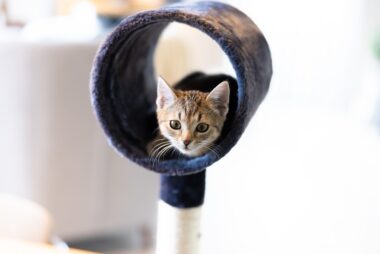
To successfully engage in cat exercise, setting up a fun and inviting environment is imperative. Cats love exploring and climbing, so provide varied vertical spaces using trees and shelves to encourage their instincts. Use materials like cardboard boxes or paper bags as they offer great hiding places. Interactive elements like laser pointers or feather toys can also keep your feline friend entertained and active. Furthermore, consider creating obstacle courses to challenge their agility and coordination. Using pillows, cushions, or furniture can make an inexpensive indoor agility course. Not only does this encourage movement, but it also stimulates their cognitive skills. Inviting other pets or humans to engage in play can enhance excitement and competition, increasing your cat’s motivation to move. However, ensure that interactions remain safe and supervise during playtime. Expert training tips suggest varying the play style; this helps maintain their interest in exercising. Remember that patience is key. The goal is to create a playful atmosphere that encourages your cat to see exercising as an enjoyable part of their daily routine.
Incorporating regular exercise into your cat’s routine takes diligence but is ultimately rewarding. Consistency in scheduling playtime is crucial once you establish a routine. Daily activities at the same time will help your cat adjust and build anticipation for exercise sessions. During these times, ensure all distractions are removed so they can focus solely on the activities planned. Reward them with treats or praise during and after workouts to create a positive reinforcement cycle. Establishing a balance between shorter play sessions and longer, leisurely ones can keep the experience fresh. Also, monitoring your cat’s behavior and adapting the exercises based on their energy levels is essential. Some days they may be more enthusiastic, while others may require gentler exercises. Additionally, integrating training sessions that teach new skills, tricks, or commands during playtime can stimulate their minds while also improving their dexterity. As your cat grows more agile, you will begin to notice gradual but significant improvements in their coordination, endurance, and confidence in their abilities to engage in physical activities.
Tracking Progress and Adjustments
Monitoring your cat’s progress on their fitness journey can provide motivation for both you and them. Establish a rewards system based on improvement, such as completing new tricks or increasing the time spent playing each session. Keeping a chart of the activities and durations may help track achievements and maintain awareness. Further, documenting your cat’s behavior before and after transitions to exercise will provide insight into their adaptation process. Adjust expectations and activities based on observed performance, and don’t hesitate to change things up if progress stalls. This flexibility shows that pet owners must continually adapt routines to match their cat’s development. Gradually increasing the challenge level while considering suitability is vital for preventing injury too. Watching for signs of fatigue or disinterest will guide adjustments. Remember, patience is key; ensuring your cat enjoys the process will help them embrace exercise as a regular part of their life. Improving fitness takes time, and it is essential to celebrate small successes along the way, reinforcing your cat’s journey towards becoming a healthy, active athlete.
Working together as a team will strengthen the bond between you and your cat while enhancing their fitness transformation. Ideally, these routines create trust and understanding, resulting in an enjoyable dynamic. Cats often imitate their owners, so participate in the excitement by engaging in physical activities alongside them. This demonstrates dedication and gives them more reasons to enjoy the workout. Consistency combined with encouragement from you can drive your cat towards fitness goals. Celebrate each achievement sincerely, whether it’s learning a trick or an increase in agility. Celebrating reinforces their positive behavior and fosters motivation to continue evolving. Engage with your pet frequently, as the connection you build will reflect on their willingness to exercise and improve over time. Understanding your cat’s personality and designing activities based upon their preferences will be integral to consistency. Incorporating playful training and interaction leads to enjoyable sessions, making progress and fitness gains feel more natural for your couch potato cat. Eventually, transforming them into an agile athlete will not only benefit their health but also deepen your shared bond.
Conclusion
In conclusion, transitioning your couch potato cat into an agile athlete is absolutely possible with patience, creativity, and commitment. Engaging your pet in consistent, playful exercises will not only promote fitness but improve their overall well-being. Perfecting the balance of mental and physical stimulation should be your goal. Regular assessments of their activity preferences will guide modifications to routines over time. Remember to remain adaptable to your cat’s needs, and most importantly, always emphasize fun during these sessions. The excitement surrounding playtime will instill a lifelong love for activity, ensuring your furry friend remains lively and active. Be aware that results don’t happen overnight; rather, they require a gradual approach. Observing small strides of improvement each day can be highly rewarding. Lastly, celebrating successes, no matter how minor, will productively reinforce your cat’s newfound love for exercise. Over time, you will notice a more agile and lively companion, ultimately extending their lifespan and improving their quality of life. With time, the transformation will be a source of pride for both you and your beloved pet, leading to a happy and fulfilled feline athlete.