
How to Modify Your Dog’s Feeding Routine to Prevent Bloat
Gastric dilatation-volvulus, commonly known as bloat, is a serious condition that can affect dogs. Understanding how to modify your dog’s feeding routine is crucial for prevention. To start, consider the portion sizes of your dog’s meals. Feeding smaller portions more frequently can help prevent excessive gas buildup that leads to bloat. Aim for two to three meals a day instead of one large meal, as it facilitates easier digestion. Additionally, try to avoid feeding your dog right before or after exercise, as an active lifestyle immediately after eating can increase the risk of this condition. This allows time for digestion before engaging in physical activity.
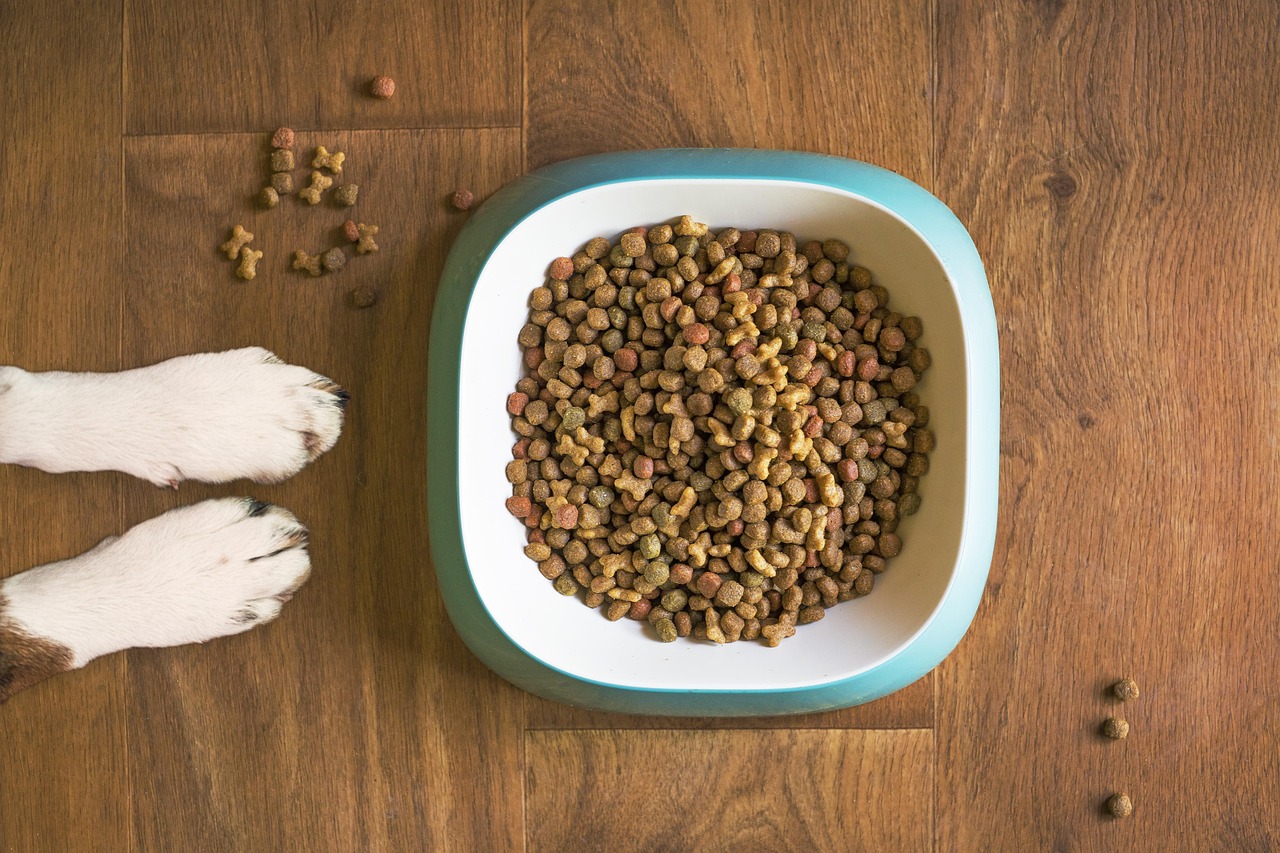
Furthermore, monitor your dog’s eating habits. Some dogs tend to gulp their food aggressively, which introduces air into their stomachs and increases the likelihood of bloat. To minimize this behavior, use slow feeders or puzzle bowls, which entice your dog to eat more slowly. This adjustment can make all the difference, as it significantly reduces the amount of air swallowed during meals. Additionally, consider the type of food you provide, as certain dry foods can swell in the stomach and increase the risk of bloat. Always consult with your veterinarian regarding the best dietary options for your dog.
Incorporate Feeding Strategies
Incorporating feeding strategies that prevent rapid consumption of food can also be beneficial. Placing a large, clean stone in your dog’s bowl can prevent aggressive eating by forcing them to maneuver around it. This simple technique slows their eating pace, which, in turn, can help reduce the risk of bloat. Another effective method is to provide a food mat that makes it slightly harder for your dog to grab each piece of kibble quickly. Use high-quality, nutritious dog food that is specifically formulated to fight against bloat symptoms. Ingredients play a significant role.
An essential aspect of preventing bloat involves understanding your dog’s breed characteristics. Certain breeds are more predisposed to bloat. For example, deep-chested breeds such as Great Danes, Boxers, and Doberman Pinschers are at a higher risk. Knowing your dog’s breed can help you understand their susceptibility to this condition. For those breeds, paying extra attention to their feeding routines and habits is essential. Everyone who owns a dog should be informed about the signs of bloat, like swollen abdomen and restlessness. Prompt action can save your dog’s life.
Monitor and Adjust
Always monitor your dog after meals. Ensuring they rest for about an hour post-meal can limit movement that may lead to bloat. Observe if your dog often experiences discomfort after eating, as this could indicate underlying digestive issues. Any signs of pain or discomfort after eating should prompt a visit to the veterinarian. Adjusting feeding routines can be a trial and errors process, but attention to your dog’s behavior helps identify what works best. Make gradual changes and be patient; dogs can take time to adapt to new routines.
Staying informed about bloat is vital in effectively preventing it. Regularly consult your veterinarian about your dog’s diet and any changes in eating habits. They can offer personalized nutrition plans based on your specific dog’s breed, age, and health condition. Keeping open communication will help monitor any arising issues or questions. You can also join canine health support groups online where owners share insights about managing dog health and wellbeing. This community can provide valuable strategies and allow you to learn from other owners’ experiences in managing bloat.
Conclusion
In summary, modifying your dog’s feeding routine is a crucial step in preventing bloat. Implementing smaller, more frequent meals, using slow feeders, and providing quality dog food can have protective benefits. Remember, observing your dog’s behaviour during and after meals can provide insight into their health. Educate yourself about your dog’s breed specific risks, as they help tailor your approach. Always keep an eye on your furry friend and make adjustments as needed; proactive measures are vital in protecting against the dangers of gastric dilatation-volvulus. Your attention can ensure a healthier life for your dog.
By being proactive and implementing these various strategies, you are taking essential steps to safeguard your dog’s health. A thoughtful approach will make a significant difference in their wellbeing.