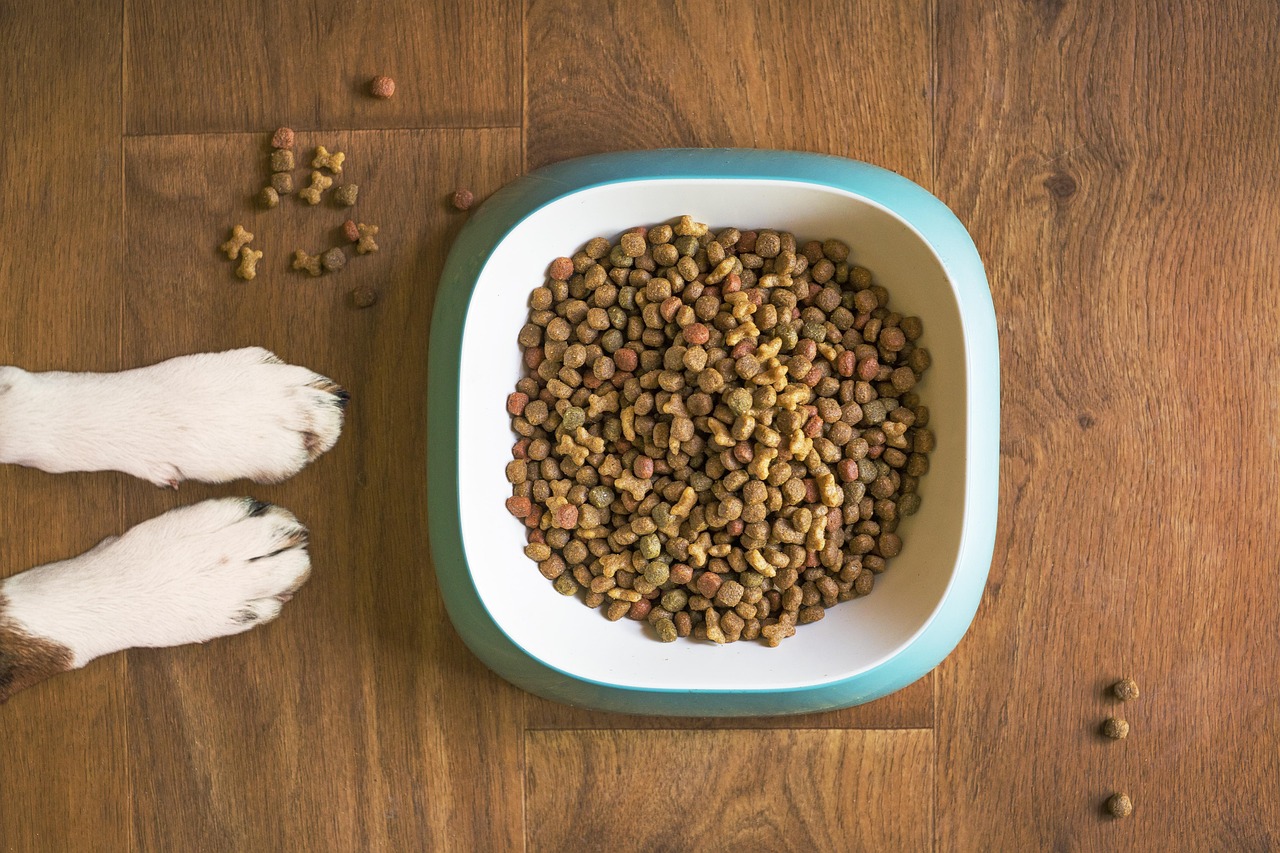

How Proper Nutrition Influences Dog Training Success
Proper nutrition is essential for a dog’s overall health and plays a vital role in training success. A well-nourished dog is more attentive and capable of learning commands effectively. Nutritional needs differ based on age, breed, and activity level, so it’s crucial to tailor their diet to these factors. During training sessions, it is important to offer high-quality dog food that meets their nutritional requirements. This helps maintain energy levels, supports brain function, and enhances learning capabilities. Daily routines might include scheduled feeding times, ensuring that the dog is not overly hungry or lethargic during training. Additionally, incorporating treats that are nutritious can make training more engaging and rewarding. Just remember to consider the calories to avoid overfeeding. Properly balancing nutrients aids in improving digestion and can help prevent behavioral issues caused by food sensitivity. A well-hydrated dog also performs better, so provide fresh water at all times. Consult with a veterinarian to determine the best diet tailored to your dog’s specific needs, ensuring their training success through proper nutrition.
Quality of food matters greatly in the training process. High-quality proteins, vitamins, and minerals promote better cognitive function and physical prowess, making your dog more responsive. Look for foods formulated for optimal growth, especially in puppies or active breeds. Observe your dog’s behavior after changing its diet; better mood and energy levels often appear. Additionally, consider natural or organic options where possible as they frequently contain fewer fillers and additives. Many dog owners discover that their pets react positively to diets that emphasize whole ingredients, enhancing learning and retention during training sessions. Treats can also be an effective motivator; however, ensure they are healthy and appropriate according to their dietary requirements. Too many unhealthy treats can lead to weight gain and distract from the training. To maintain a structured approach, it’s advisable to limit treats and provide them during critical training moments to reinforce positive behavior. Dogs thrive on routines, so consistently following a feeding schedule will support learning goals. This predictability also strengthens the bond between owner and pet, setting the foundation for successful training outcomes.
Timing of Feedings
Timing plays a crucial role in how effectively your dog performs during training. Ensuring your dog is neither too hungry nor too full can significantly affect its learning capabilities. It is advisable to feed your dog a meal several hours before a training session to allow adequate digestion. Doing this provides the required energy levels needed for learning while ensuring they aren’t distracted by hunger during training exercises. Scheduled feedings help establish a routine, contributing to a better overall temperament and focus during training. Some pet owners find splitting daily meals into smaller portions works best, as smaller meals can help sustain energy levels throughout the day. This approach helps maintain their weight and prevents excessive hunger during training. Moreover, being mindful of the dog’s individual reactions to food timing ensures optimal results. Each dog may react differently to feeding schedules, so paying attention to their preferences leads to better training success. Additionally, pairing feeding time with training reinforcement enhances the connection between learning and nourishment, solidifying good behavior and compliance through positive associations.
Hydration is equally important in training sessions. A well-hydrated dog can focus more effectively and is less likely to become fatigued. Training can be physically demanding, often leading to dehydration, so always provide fresh water before and after training activities. Dogs may not understand their thirst, especially during rigorous training, so it’s the owner’s responsibility to ensure they stay hydrated. Additionally, certain climates can affect hydration needs; dogs training in warmer settings may need more frequent water breaks to maintain stamina. Some trainers incorporate hydration breaks into training sessions, allowing dogs to replenish fluids while reinforcing positive behavior. You can also choose to add a low-calorie electrolyte drink made for dogs to help them recover after intense training sessions. Monitoring signs of dehydration, such as excessive panting or lethargy, allows for timely interventions. By aligning proper hydration with your training regimen, you assist your dog in attaining optimal performance. Therefore, fostering a healthy, balanced approach to food and hydration goes hand-in-hand with successful dog training.
Using Treats Wisely
Treats can be pivotal in shaping a dog’s training experience, but their use must be strategic. Opt for high-quality, healthy treats that your dog genuinely enjoys to maintain motivation. Small, easily digestible treats are the best choice during training, as they provide a way to reward desired behavior without overwhelming their diet. Be cautious about the quantity; frequent offerings could lead to excessive calorie intake, countering efforts for a balanced feeding regime. Always dime-sized treats work well as they are less distracting and can be eaten quickly, keeping training sessions efficient. For particularly challenging commands or behaviors, consider offering a more favorite treat as a strong incentive to encourage your dog to focus. Additionally, pairing treats with praise reinforces the reward system, creating positive associations in their training experience. Varying the types of treats can maintain interest and enthusiasm during training sessions. This method fosters an enjoyable learning environment, where your dog feels encouraged to work hard for the reward. Balancing treat use within the context of overall nutrition ensures effective learning outcomes without compromising health.
Avoiding common human foods is critical to ensure your dog’s health during training. Some human foods are toxic to dogs and should be strictly avoided, such as grapes, chocolate, and onions. Using unsafe human foods as treats may result in health risks and adverse reactions during training. Always do proper research on food items before introducing them into your dog’s diet, examining ingredients and understanding potential hazards. Consult veterinarians to create a comprehensive dog nutrition plan that minimizes these risks and provides safe alternatives. Not all dogs tolerate the same ingredients, so being vigilant about allergies or sensitivities when choosing treats ensures effective training without negative consequences. If your dog shows signs of distress or allergies after consuming certain foods, adjust its diet accordingly to promote a positive training environment. Reinforcing the connection between acceptable foods and training success involves commitment to health and safety while nurturing a focused and engaged learner. Through proper choice and approach to food, dog owners can enhance their training outcomes effectively.
Conclusion: Nutrition’s Role in Training
In conclusion, proper nutrition significantly impacts dog training success. Pet owners must understand their dog’s dietary needs while aligning them with training objectives. Providing balanced and nutritious meals goes beyond meeting basic needs; it enhances overall behavior, focus, and learning potential. Each dog requires specific nutrients depending on factors such as age, breed, and activity level. Improved focus, stamina, and cognitive abilities arise from tailored dietary strategies, supporting training endeavors while keeping dogs healthy. Working with veterinarians ensures you formulate appropriate dietary plans, maximizing both health and training effectiveness. Monitoring responsiveness during training sessions helps evaluate whether food choices are positively affecting performance. Balancing treat incentives within a framework of nutritious foods enhances motivation and solidifies learning. As trainers reinforce positive behavior through the correct dietary approaches, they cultivate connections between food, behavior, and training objectives. By paying attention to nutritional needs, pet owners contribute significantly to their dog’s training success. Proper nutrition is not merely about feeding but ensures a holistic approach, enhancing the dog’s ability to learn and thrive.
Collaboration between nutrition and training methodologies establishes a foundation for success. By integrating the learnings from feeding guidelines into training routines, you create a positive feedback loop that accelerates the training process. Continued diligence in monitoring dietary habits and adjusting per observations leads to observable improvements in training outcomes. After all, a well-nourished dog is happy and motivated, leading to better interactions during practice sessions. During busy days, ensuring the dog receives optimal nutrition, hydration, and treat management is essential for an effective training regimen. Using positive reinforcement techniques enhances motivation while ensuring a successful dog training journey. In essence, nutrition is the unseen partner in your dog training program, influencing both the present and long-term success of your objectives. Lastly, embracing proper dog feeding practices can lead to significant results in obedience, agility, and overall health throughout your pet’s life. This holistic approach to dog training reinforces the notion that every detail matters in the journey toward achieving a well-trained canine companion. Continuing education about canine nutrition and remaining adaptable creates an environment conducive to lifelong learning and success.