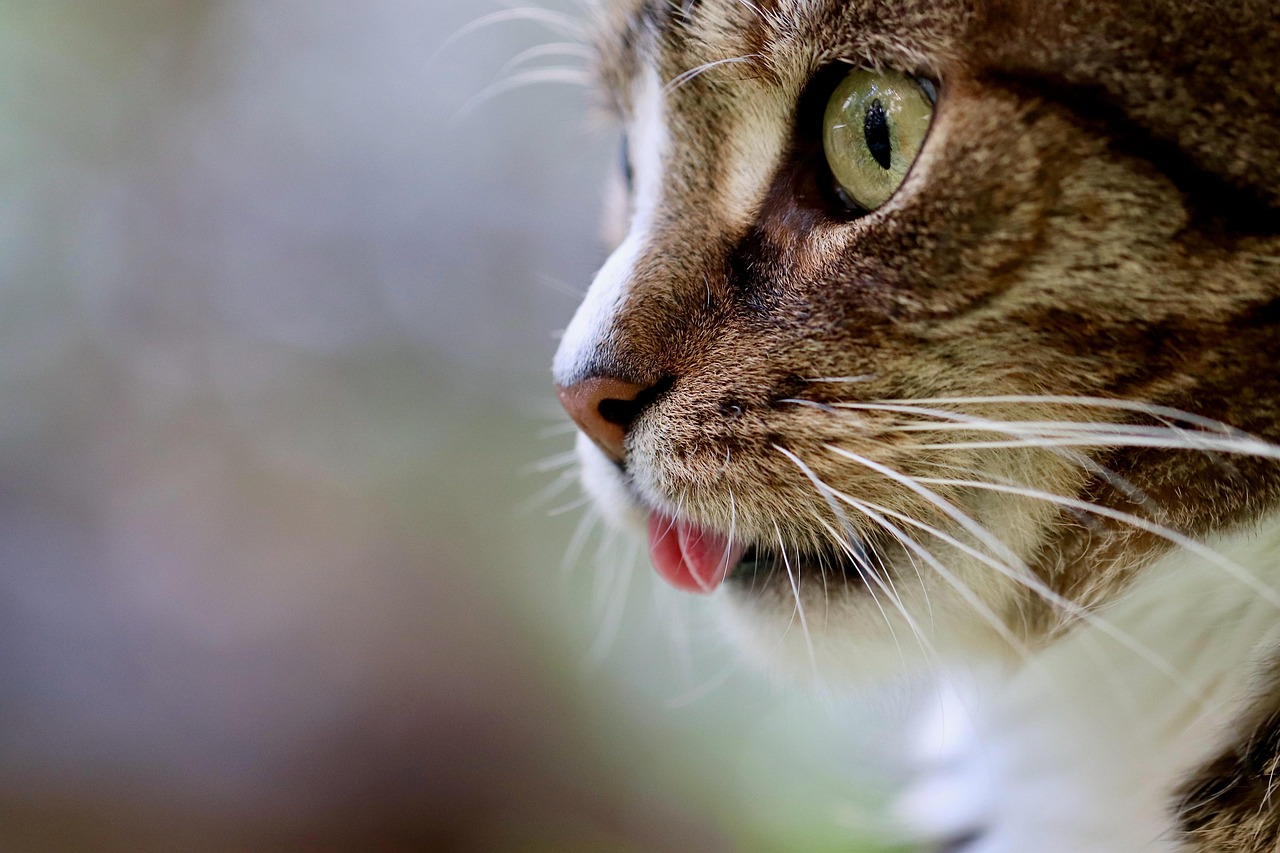

Top Questions to Ask Your Vet About Cat Nutrition Supplements
Consulting your veterinarian about cat nutrition supplements can ensure your pet’s health and well-being. One crucial question to ask is whether supplements are necessary for your cat’s specific dietary needs. Cats have unique nutritional requirements, and sometimes their diets may lack essential nutrients. Your vet can assist in determining if your cat’s food meets optimal nutrition standards. Additionally, inquire about any potential benefits of various supplements. Not all cats require the same supplements; it depends on their age, lifestyle, and specific health conditions. Another important question is regarding the reliability and safety of the supplement brands available. Some products may not be tested thoroughly for quality or efficacy. Your veterinarian can recommend reputable brands that have been shown to be effective. Moreover, it is wise to ask about the proper dosages and forms of supplements suitable for your cat. Some cats might prefer liquids over powders, making it easier for their owners. Inquire if there are any specific side effects to watch for when administering these supplements. Understanding these aspects ensures your cat receives the best care possible.
Furthermore, ask your veterinarian about the timing of supplement administration. Some supplements work most effectively when given with food, while others may be prescribed for specific health issues requiring a schedule. By understanding the best practices, you can enhance the supplement’s effectiveness. Also, don’t forget to discuss any ongoing medications your cat is currently taking. Some supplements can interact negatively with prescribed medications, leading to adverse effects. Your vet will help prevent any dangerous interactions by reviewing your cat’s complete health history and medication list. Additionally, if your feline friend has special dietary restrictions or allergies, it’s important to inform your vet. This information is critical to ensure that any supplements prescribed do not contain ingredients that could trigger an allergic reaction. Inquire if there are natural alternatives available for your cat’s needs, focusing on holistic or organic options. These alternatives may offer similar nutritional support without synthetic ingredients. Checking on the necessity of testing your cat’s blood work before starting supplements can also guide your veterinarian’s recommendations and ensure your cat receives tailored nutritional support.
Another key inquiry includes whether the supplements are tailored for age or health conditions. Kittens, adult cats, and seniors may require different formulations, each targeting their specific life stage. Moreover, cats with health issues, like arthritis or kidney disease, might significantly benefit from customized supplements. Be sure to ask how long it typically takes to see observable results after starting the supplement regimen. Realistic expectations help you better assess your cat’s health over time. It can also showcase the effectiveness of the supplements you choose. Your vet can help you understand the significant changes to monitor, such as energy levels or coat condition. Additionally, engage your vet about trending supplements in the market that may not have clinical backing. While trending products can seem appealing due to marketing, they may not always be necessary. Balancing the latest trends with solid veterinary advice ensures you make informed decisions for your cat. Finally, consider asking about dietary changes that might complement the use of supplements, such as incorporating more wet food to improve hydration and support overall health.
Specific Ingredients to Consider
When discussing cat nutrition supplements, it’s essential to explore the specific ingredients used in these products. Ask your veterinarian about key nutrients such as Omega fatty acids, vitamins, and minerals, and their role in your cat’s health. Omega-3 fatty acids can support a healthy coat and skin, while vitamins and minerals play critical roles in metabolic functions. It’s also beneficial to inquire about the sourcing of these ingredients. Understanding whether they come from natural sources or synthetic ones can influence your decision on what products to trust for your feline companion. Furthermore, confirming whether the supplements meet the standards set by organizations like the Association of American Feed Control Officials (AAFCO) can offer added assurance of their efficacy and safety. Another important consideration is whether your cat may require specific amino acids, such as Taurine, which is crucial for heart and eye health. Evaluating the quality and bioavailability of each ingredient can help you make informed choices regarding supplement purchases. This knowledge empowers you to advocate for your cat’s nutrition and wellness in consultation with your veterinarian.
Moreover, consider seeking information on the dosage recommendations for any supplements prescribed by your veterinarian. The dosage can vary based on your cat’s weight, age, and health status, which makes it crucial to follow professional advice. Owners sometimes overlook proper dosing and administration, leading to under- or overdosing. Engage in a discussion about whether to administer supplements daily or if specific pulse cycles are advised. Understanding whether any adjustments in dosage are needed based on your cat’s response to the supplement helps optimize its effects. Another topic to cover is the signs indicating that you should reassess the use of certain supplements, such as if your cat displays adverse reactions or does not exhibit expected improvements in health. It’s equally relevant to ask about any herbal supplements and their potential interactions with common medications, as not all natural products are safe or beneficial alongside prescribed treatments. Educating yourself on the potential pitfalls and the need for ongoing communication with your veterinarian can enhance your cat’s quality of life and prolong their well-being.
Monitoring and Follow-Up
Risk factors and health checks associated with the use of cat nutrition supplements should also be discussed with your vet. It’s important to understand any potential risk factors that might arise from prolonged use of specific supplements. Regular vet check-ups can help you monitor your cat’s health and assess if the supplements are providing the intended benefits. Talking about the frequency of follow-up appointments can ensure your cat continues receiving optimal care. Your veterinarian may recommend performing routine blood tests to monitor any changes in liver and kidney functions, particularly if the supplements contain high levels of certain nutrients. Inquire about any new symptoms or reactions that could arise after introducing a supplement. This proactive approach can help catch any concerns early before they escalate into serious issues. It’s also advisable to ask about any lifestyle changes or additional care that might supplement the effects of nutrition enhancements. Consistent communication with your vet fosters trust and enables informed decisions, allowing you to adjust your cat’s diet and supplement regimen to ensure the best possible outcomes for their health.
Finally, be open to ongoing education about cat nutrition supplements beyond just your veterinary consultations. Supplementing your knowledge can help you make better decisions for your pet’s health. Resources such as reputable veterinary websites, peer-reviewed journals, and even animal nutrition courses can provide invaluable insights. Join online forums or groups where cat owners share experiences and discuss various supplements that benefited their pets. However, always remember that not all shared information is scientifically backed; it’s vital to verify facts with your vet before changing anything in your cat’s care routine. Consider keeping a journal or logbook of your cat’s health status in relation to the supplements administered. This detailed overview can support discussions with your veterinarian during follow-ups and help evaluate progress more effectively. Commit to staying informed about changes in recommendations within the industry, focusing on advancements in nutritional science. Ultimately, your cat’s health and happiness depend on the informed choices you make. Consulting your veterinarian about nutrition supplements is a meaningful step in providing the best care for your furry friend.
Always maintain an open line of communication with your veterinarian. Frequent discussions can help clarify any uncertainties, ensuring misunderstandings about the supplies are addressed swiftly. Finding a balance between professional advice and personal experience is key to navigating your cat’s dietary needs effectively. Consulting with specialists where necessary can also enrich your understanding of cat nutrition supplements further. This approach equips you to offer your pet the best possible quality of food and supplements.