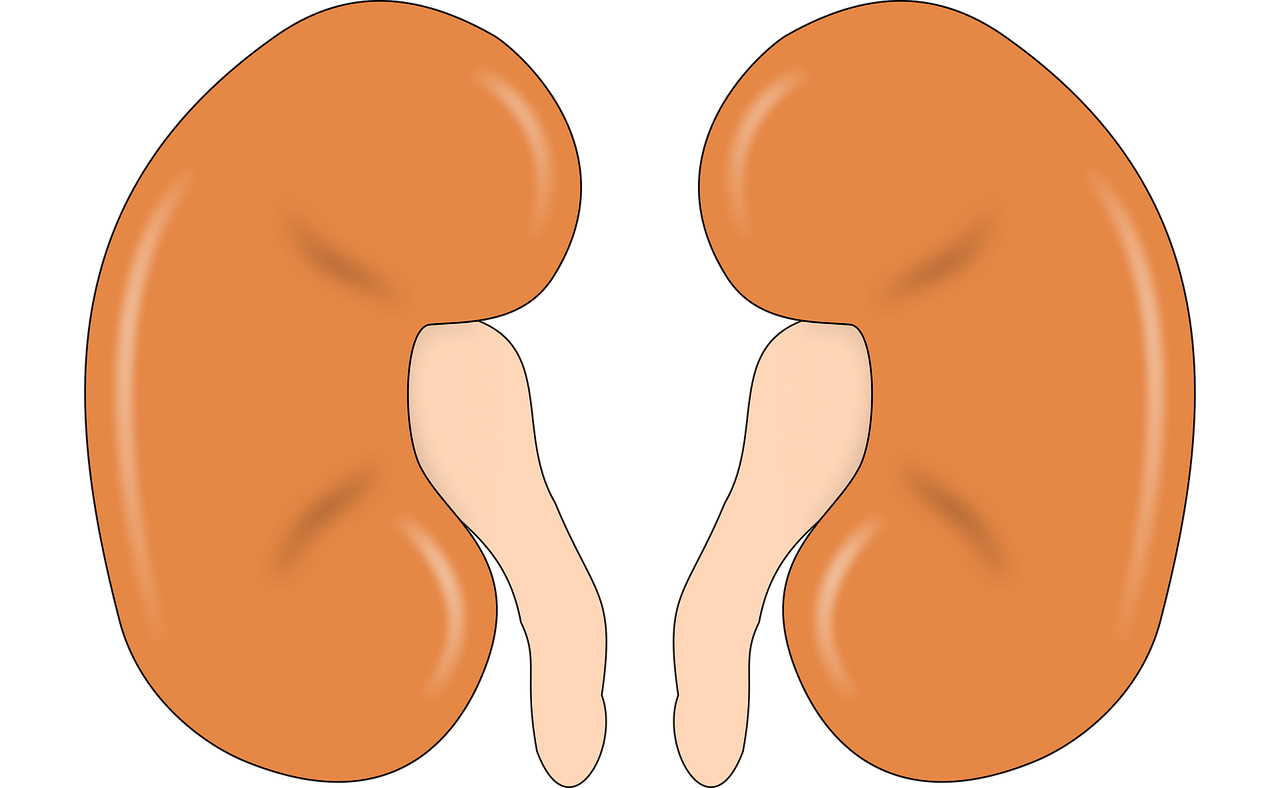

The Importance of Regular Vet Check-ups for Early Kidney Disease Detection
Regular veterinary check-ups are crucial in detecting early signs of kidney disease in dogs. Canine kidney diseases are often silent killers, with symptoms that may not become apparent until the condition has progressed significantly. By scheduling routine visits, pet owners can ensure that their dogs receive necessary health evaluations to catch any issues early. These evaluations typically include blood tests, urine tests, and physical exams to assess kidney function. Early detection can make a significant difference in treatment options and the overall prognosis for affected dogs. Many kidney diseases can be managed more effectively when caught early. Regular check-ups also help develop a relationship between the veterinarian and the pet, fostering a more comprehensive understanding of the dog’s overall health. By monitoring their pet’s condition closely, owners can feel more confident in managing their dog’s health and anticipating future needs. Investing time and resources into regular vet visits can ultimately save pets from painful treatments or chronic illness. Regular check-ups should be part of every responsible pet owner’s routine, allowing for peace of mind regarding their dog’s health and well-being.
Kidney disease can manifest in various forms, with some being genetic and others resulting from environmental factors or diet. Recognizing the risk factors associated with kidney disease is vital for prevention and early intervention. Factors such as age, breed, and pre-existing conditions can greatly influence a dog’s likelihood of developing kidney issues. Certain breeds, like the Bull Terrier and the Shih Tzu, are genetically predisposed to kidney problems. Additionally, obesity and high blood pressure can exacerbate kidney conditions. By discussing these risk factors with a veterinarian during regular check-ups, owners can tailor their dog’s diet and lifestyle to mitigate potential issues. Regular vet visits enable prompt adjustments to a dog’s diet or medication, slowing the progression of kidney disease significantly. Nutritional adjustments may involve providing a diet lower in protein or phosphorus to ease the workload on the kidneys. Also, monitoring water intake is essential since hydration levels can impact kidney health. Owners should be proactive in implementing dietary changes when suggested by veterinarians to foster better kidney health. Keeping a detailed health record helps identify changes to discuss with your vet at each visit.
Monitoring Health at Home is another critical aspect of managing your dog’s kidney health between veterinary visits. Pet owners should be vigilant about monitoring their dog’s behavior and health at home. Observable changes in drinking habits, urination frequency, appetite, and energy levels can provide important insights into a dog’s health status. Early signs of kidney trouble might include increased thirst and urination and lethargy or decreased appetite. It is essential for pet owners to track these changes and relay them during veterinary appointments for early diagnosis. Keeping a log of daily routines can be invaluable for identifying trends that might suggest a potential problem. Additionally, being aware of any unusual signs such as vomiting or bad breath can indicate potential kidney problems. The importance of open communication with veterinarians regarding any noticed changes cannot be underestimated. By being proactive in tracking their pet’s habits and health, pet owners can provide essential data to the veterinarian to aid in diagnosis. This information can help prioritize necessary testing or intervention, significantly impacting the management of kidney diseases and improving the dog’s quality of life.
Importance of Blood and Urine Tests
Blood and urine tests performed during regular check-ups are invaluable for early kidney disease detection. These tests measure critical kidney function parameters, such as serum creatinine and blood urea nitrogen levels. Elevated levels can indicate that the kidneys are not functioning adequately, signaling potential kidney disease. Urinalysis complements blood tests by revealing how well the kidneys are filtering waste. The presence of abnormal substances, such as protein or glucose, may indicate an underlying problem. Regular monitoring of these tests helps establish baseline values and identify any discrepancies that could indicate changes in a dog’s health. A veterinarian can give specific recommendations based on test results, leading to targeted interventions that can improve outcomes. In many cases, veterinarians may also suggest additional imaging tests, such as ultrasounds, to visualize potential kidney issues further. The earlier these tests identify abnormalities, the sooner treatment can commence — which can include dietary adjustments, medication, or lifestyle changes tailored to the dog’s specific needs. Routine testing becomes crucial for maintaining the overall health of the dog and supports a proactive approach to managing kidney health.
Keeping a close watch on your dog’s kidney health can significantly impact their quality of life. Regular vet check-ups provide not only peace of mind but actionable plans for preventing kidney disease. When dogs are diagnosed early, treatment options often become more effective and less invasive. Managing kidney disease might involve dietary modifications, medications, and even adjustments in feeding schedules that focus on preserving kidney function. Pet owners should work closely with veterinarians to formulate a long-term care plan tailored to their dog’s specific requirements. This may entail restricting protein or sodium intake and emphasizing hydration and exercise. Additionally, regular monitoring and follow-up appointments are crucial for assessing the effectiveness of any treatment initiated. As the dog ages, the importance of maintaining these check-ups only grows, enabling timely adjustments to care plans and ensuring the best possible quality of life. Pet owners who invest in their dog’s health through vigilant monitoring, regular check-ups, and compliance with treatment recommendations can ensure that their furry friends lead healthier, happier lives.
Preventive Care: A Lifesaver for Dogs
Preventive care is a crucial component in ensuring your dog remains healthy and avoiding potential health crises. Regular vet visits are seen as a proactive approach to healthcare that can significantly reduce the incidence of serious conditions, including kidney disease. Through preventive care, vets often recommend vaccinations, dental care, and nutritional guidance, all contributing to better overall health. They can also offer advice on adjusting lifestyle factors aimed at keeping your dog within a healthy weight range, reducing stress, and encouraging regular exercise among other recommendations. The importance of preventive measures cannot be understated, as they can prevent problems before they develop into severe conditions that are costly and more challenging to treat. Furthermore, investing in preventive care helps pet owners to develop a collaborative relationship with their veterinarians, creating a supportive network for their dog’s health and well-being. Additionally, discussing any concerns, past incidents, or family health issues can help the veterinarian create a tailored health plan that addresses your dog’s unique risks. Ultimately, the investment in preventive care creates lasting benefits for the dog, ensuring a happier and healthier life.
For dog owners, educating themselves about kidney diseases and their impact is just as critical as regular veterinary visits. Understanding the disease’s nature enables owners to be alert to possible symptoms and treatments, also empowering them to make informed decisions concerning their dog’s wellbeing. Resources such as books, trusted websites, and discussions with veterinarians can help provide valuable information about maintaining optimal kidney health. Understanding specific dietary needs, signs of deteriorating health, and treatment options can greatly influence outcomes when dealing with kidney diseases. Furthermore, support groups or forums can be beneficial for sharing experiences and gaining advice from other pet owners who have faced similar challenges. Knowledge empowers owners, allowing them to advocate effectively for their pets’ health. This advocacy extends to collaborating closely with veterinarians to ensure that the dog receives tailored care. Ultimately, the more informed a pet owner is about kidney diseases and overall canine health, the more proactive and engaged they will be in their pet’s health journey. Prioritizing education can go hand in hand with regular veterinary care in achieving sustainable health for dogs.
Conclusion: The key takeaways from understanding kidney diseases in dogs emphasize the importance of regular veterinary check-ups. Early detection and tailored management can alter the course of kidney disease, significantly enhancing your dog’s quality of life. Pet owners should prioritize preventive care and maintain strong communication with veterinarians about any observable changes in their dogs. Regular health evaluations, coupled with vigilant at-home monitoring, establish a comprehensive approach to canine health. Accessing educational resources and support communities further enriches the owner’s understanding of kidney diseases, ensuring informed decision-making. By investing time and effort in these areas, pet owners can significantly reduce the risks associated with kidney health. Building a solid foundation of knowledge and regular engagement with veterinary professionals creates an environment conducive to early detection, better care, and a happier life for dogs. Ultimately, fostering awareness about kidney diseases among pet owners can lead to healthier dogs and enrich the human-animal bond through better understanding and care. As we prioritize our pet’s health, we pave the way for their longevity and happiness in our lives.