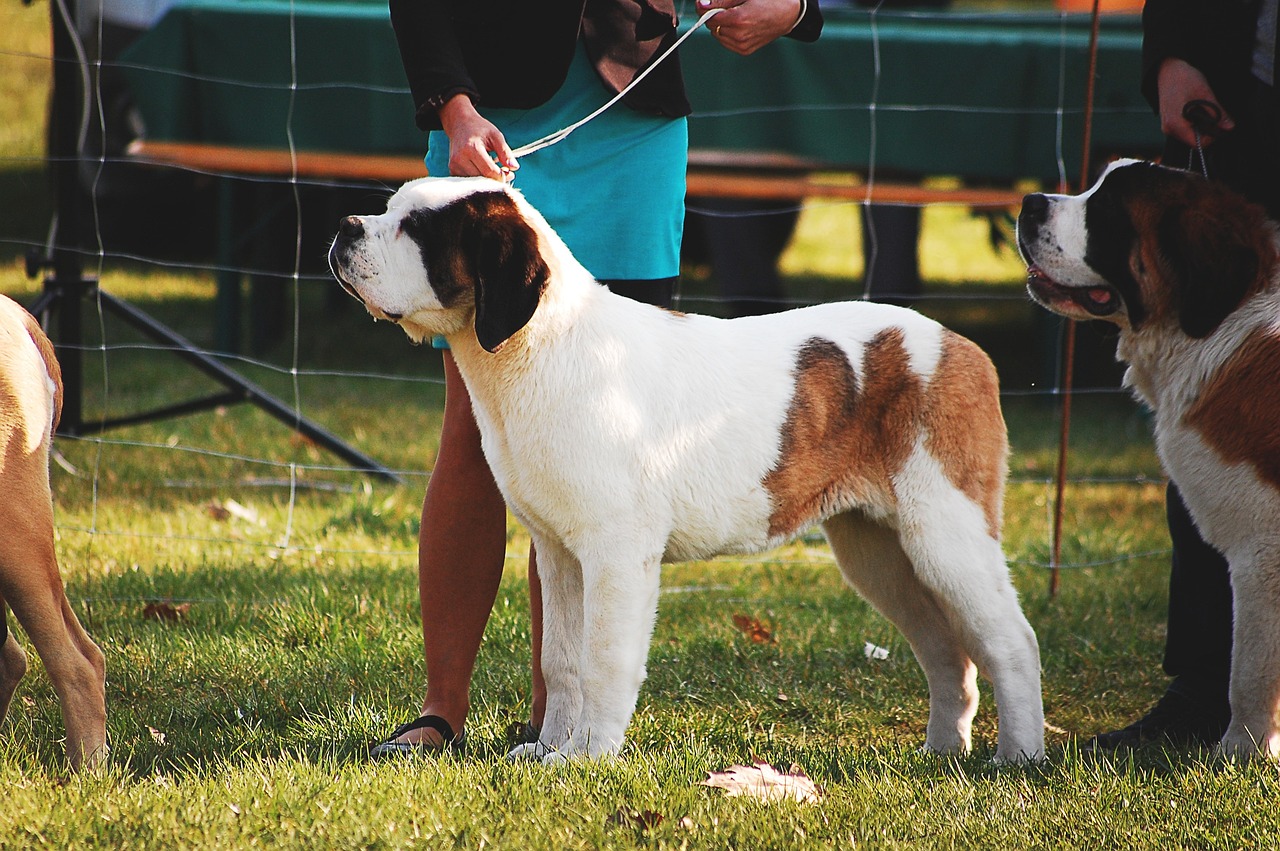

The Role of Handlers: Professional vs. Amateur Exhibitors
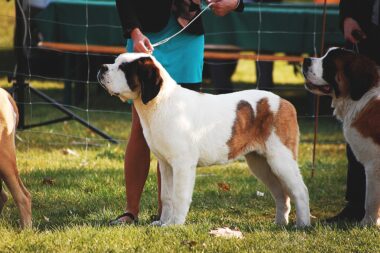
Dog shows are an exciting ambiance filled with competition, showcasing the best of purebred dogs and the skills of their handlers. Understanding the differences between professional and amateur handlers is crucial for exhibitors seeking to maximize their success in the ring. Professional handlers dedicate their careers to presenting dogs, mastering the nuances of breed standards, handling techniques, and showmanship. They possess extensive knowledge about various breeds and typically have a deep network of connections in the dog showing community. Amateur handlers, on the other hand, may participate out of passion or love for their breeds, often displaying their own dogs. While they may lack the experience and training of professionals, amateur handlers bring a unique enthusiasm. The learning curve can be challenging for amateurs, but many find joy in engaging with the community and constantly improving their skills. Both professional and amateur handlers play vital roles in the dog show circuit, creating a diverse and vibrant environment that benefits all involved. Each type of handler contributes to raising the standards of canine excellence within the sport.
Key Differences between Professional and Amateur Handlers
One significant difference between professional and amateur handlers lies in their experience and training. Professional handlers often spend years honing their craft, attending seminars, and learning the intricacies of dog behavior. They understand how to read a judge’s preferences, which can be pivotal during a competition. This leads to well-prepared presentations that can make a remarkable difference in placement. Alternatively, amateur handlers, while motivated by their love for their dogs, may not have the same level of skill or knowledge. They may be more focused on the enjoyment of showing than on technical handling techniques. Another vital aspect is preparation. Professionals typically have the resources to ensure their dogs are in peak condition, from grooming to training practices. Amateurs might not have this access, which can affect their performance. However, the passion and dedication of an amateur can level the playing field in many instances. Competing alongside seasoned professionals, they often demonstrate remarkable growth through persistence and dedication to their craft. This dynamic contributes to an ever-evolving dog show environment where both types of handlers can learn from one another.
Networking Opportunities for Handlers
Networking is an essential element within the dog show community, offering invaluable opportunities for both professional and amateur handlers. Professionals often leverage relationships with breeders, judges, and fellow handlers, which can provide insights into trends, tips, and best practices. For amateur exhibitors, this networking can serve as a food source of information and inspiration. Building relationships may help them find mentors or resources that can enhance their showing abilities. Attending various dog shows allows handlers to meet like-minded individuals, share experiences, and establish connections that can lead to partnerships. Events such as seminars, workshops, and breed club meetings provide additional chances for learning and growth. Additionally, engaging with social media platforms dedicated to dog shows creates a supportive online community. Here, both professionals and amateurs can share questions, photos, and advice. Through these networks, handlers broaden their knowledge base, discover new techniques, and even develop friendships. While the experience level may differ, the connections built within this vibrant community foster a sense of belonging and camaraderie.
The training methodologies employed by professional handlers typically exhibit significant differences compared to those of amateurs. Professionals often approach training with a structured plan, taking into consideration the unique needs and characteristics of each breed. They incorporate various methods, including positive reinforcement and segmentation of training sessions to ensure that the dog remains engaged and focused. This structured approach enhances the dog’s performance in the ring, helping to exhibit desired behaviors effectively. In contrast, amateur handlers may adopt a more organic style of training influenced by personal experiences or advice from friends. As a result, their training may vary widely, sometimes lacking the refinement of professional strategies. However, the beauty of the amateur’s journey lies in their unique perspective and willingness to learn. Many leverage local classes, trainers, and workshops to refine their skills. This adaptability allows them to discover new approaches that resonate with their dog, which can lead to unexpected success. Ultimately, both professionals and amateurs contribute to the rich ecosystem of dog shows, each celebrating the joy that comes from showcasing their beloved companions.
The role of handlers also extends beyond the competition ring, where the aftercare of dogs post-show is crucial for their well-being. Professional handlers tend to have carefully organized routines to ensure that dogs recover and unwind after the stress of competition. This includes periodic exercise, socialization, and mental stimulation. Such attention to post-show care is instrumental in maintaining a dog’s health and happiness. Amateurs, while possibly juggling multiple responsibilities, strive to replicate these practices. Their commitment to ensuring their dogs are content often speaks volumes about their dedication as owners. Handling stress post-competition is essential, allowing dogs to relax and feel comfortable in their environment. Moreover, socialization is pivotal; engaging dogs in safe settings beyond the show ring can foster a more confident and well-adjusted pet. Both professional and amateur handlers prioritize the ancient bond between humans and their canine friends. This bond, nurtured through love and care, ultimately enriches the dog show experience not just for the humans involved but also for the dogs being showcased.
When discussing the subject of handlers in dog shows, the concept of professionalism can differ greatly. For many handlers, professionalism encompasses aspects such as attire and conduct in the ring. Professional handlers typically present themselves and their dogs with utmost attention to detail, adhering to industry standards that promote the best representation of the breed. Their apparel is often tailored to enhance their image and the visual impact of their dog. Conversely, amateur handlers might not prioritize appearance to the same extent, bringing more casual styles that reflect their personal comfort. This stylistic approach can be both refreshing and authentic, showcasing a different side of the dog show culture. Regardless of attire, the demeanor displayed in the ring carries equal importance. Professional handlers are trained to exude confidence and poise, traits that can influence judges’ perceptions during competition. Amateurs, while possibly less polished, infuse their shows with genuine passion and connection, which can resonate with spectators and judges alike. This variety of presentation adds depth to the dog show experience, making each exhibitor’s approach uniquely memorable.
The emotional aspect of exhibiting dogs should not be overlooked, as the experiences of both professional and amateur handlers can greatly vary. Professionals often face the pressure of expectations, whether from clients or their reputation within the industry. This pressure can add stress but also fosters resilience and commitment to the craft. Conversely, amateur handlers often navigate their own emotional landscapes, driven by personal connections to their dogs. Many view participation in dog shows as a celebration rather than solely a competitive drive. This joy, in turn, has its benefits, as the enthusiasm shines through during competition. This connection can be palpable in the presentation, highlighting the bond between handler and dog. While competing, both types of handlers experience the highs and lows associated with the sport. Professional handlers may celebrate victories that translate into career advancements, while amateur handlers may relish participation as an achievement in itself. Regardless of the outcome, the emotional tapestry woven through each experience enriches the world of dog shows, allowing both groups to share memorable moments together.