
Grooming Senior Dogs: Adjusting for Their Coat Changes
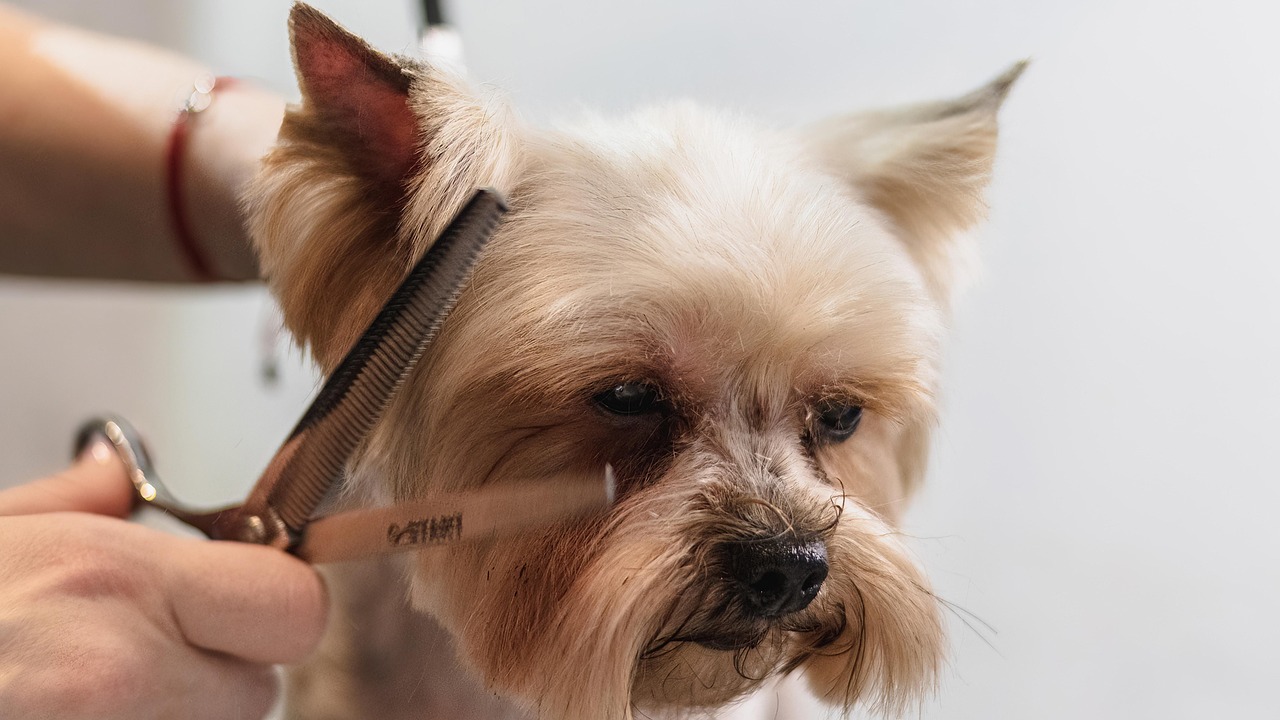
As dogs age, their coat often undergoes significant changes. These variations can include different textures, colors, or even thinning hair. Understanding these transformations is essential in providing proper grooming care for senior dogs. Senior dogs may have a rougher or softer coat as their fur transitions. Regular grooming helps to maintain the coat’s health while accommodating these changes. Groomers should pay close attention to thickness and condition, which might require different tools. Bathing becomes more important, as elderly dogs may struggle to groom themselves properly. A gentler shampoo specifically formulated for older dogs can be beneficial, helping to clean the coat without causing irritation. Additionally, more frequent brushing sessions can prevent mats from developing. Knots in the fur can lead to painful tearing of the skin. To ensure comfort during the grooming process, older dogs may need to be positioned differently. Using padded tables can prevent discomfort. Regular visits to a professional groomer ensure that senior dogs receive the appropriate attention they require for their changing coats, promoting their well-being and happiness.
Furthermore, during the grooming process, consider the specific coat type of your senior dog to adapt techniques accordingly. Different breeds present unique grooming needs, which can change as they age. For instance, long-haired breeds like Collies may develop tangles more easily, necessitating more careful attention. Conversely, short-haired breeds may require less frequent brushing but could still benefit from regular wipes to remove dead hair and debris. His coat might lose its luster due to reduced oil production as dogs grow older. Thus, incorporating a lightweight conditioner post-bath can help restore moisture and shine without making the hair greasy. Another consideration is the dog’s skin sensitivity, which can increase with age. Older dogs may be more susceptible to skin conditions and allergies. Be aware of any unusual signs, such as excessive scratching or discomfort, and communicate with vets for appropriate solutions. Importantly, ensure your grooming tools are clean and in good condition to avoid inflicting any harm on a senior dog. After bathing, envelop them in a warm towel to help regulate body temperature, as older dogs can quickly become chilled after grooming.
Understanding the Importance of Regular Grooming
Regular grooming for senior dogs can provide a variety of health benefits that extend beyond aesthetics. As dogs age, they may struggle with mobility and flexibility, affecting their ability to groom themselves effectively. Thus, maintaining a consistent grooming schedule can help mitigate discomfort associated with matting or skin problems. Grooming also promotes better blood circulation, which is essential for overall health, especially in senior pets. When brushing, try to incorporate gentle massaging techniques to further enhance circulation, which can be soothing for aging muscles and joints. Moreover, grooming helps owners keep a close watch on changes to the dog’s body, such as lumps, bumps, or skin irritations. These observations can be essential for early detection of potential health issues. Regular grooming visits with a professional can provide great insight into the dog’s overall well-being. Specialty groomers often have experience working with senior pets and can tailor their services, ensuring comfort while educating owners on breed-specific needs. A good groomer will always handle seniors with care, considering their comfort levels and adjusting techniques to ensure a positive experience every time.
Aside from health considerations, emotional well-being is another crucial aspect of grooming senior dogs. Familiar grooming routines can provide comfort and stability for aging dogs, especially in uncertain times. Grooming serves as a bonding experience, fostering trust between the owner and pet. As dogs age, they may become more anxious; thus, implementing a soothing atmosphere during grooming can alleviate their stress. Use of gentle voice tones and calming techniques, like soft brushes or massaging motions, can enhance the experience. It’s essential to read your pet’s body language to determine what they find soothing and reassuring. Taking breaks during grooming can help manage any anxiety, allowing them to relax more. Additionally, consider using a distraction such as a favorite toy or treat. The aim is to create positive associations with grooming, making it an enjoyable rather than fearful obligation. Engaging a qualified groomer who understands dog anxiety and adapts accordingly can further benefit your pet. As a result, your senior dog can experience a more pleasant grooming routine well into their golden years.
Specific Grooming Requirements by Coat Type
The coat type of a senior dog can significantly influence its grooming needs. For instance, dogs with double coats, like Huskies or Golden Retrievers, will shed their undercoat heavily and need regular deshedding. This regular grooming becomes crucial in senior dogs, as older animals may not shed and regrow hair as efficiently. Ignoring this may lead to mats and skin issues in such breeds. Conversely, poodle-type breeds, which have curly coats, require frequent grooming to prevent tangling and matting. Their hair continues to grow, necessitating regular trims to maintain a manageable length. During the grooming session of senior poodles, focus on areas prone to matting, such as behind the ears or under the legs. Dotted with a few snips of thinning scissors can keep their coat healthy and comfortable. Short-haired breeds like Beagles may require only a quick brush now and then as they age. Incorporating a rubber brush can assist in removing loose hairs and stimulates the skin, thereby promoting blood flow and wellness.
Another grooming aspect to consider for senior dogs is dental hygiene; while it may not pertain directly to coat types, it significantly impacts overall health. Many dog owners overlook dental care, especially for the elderly. Regular dental check-ups and cleanings at home are necessary to prevent dental diseases that can exacerbate other health issues. Older dogs are more likely to face problems like periodontal disease, which, if left untreated, can lead to severe complications. To maintain dental health, incorporate dental chews and specialized dog toothbrushes into their daily routine. Additionally, certain foods can promote dental health, providing texture to help remove plaque. Schedule routine vet appointments to monitor and address any dental issues that arise. It is crucial to educate yourself about different dental products available in the market. Oral hygiene plays a vital role in your pet’s quality of life, especially as they age. Taking a comprehensive approach to your senior dog’s grooming and stay on top of these needs can significantly impact their overall well-being.
Final Thoughts on Grooming Senior Dogs
In conclusion, grooming senior dogs presents unique challenges but offers tremendous rewards for both the dog and the owner. Understanding their changing needs is essential as their coats can alter drastically in texture and density. The right grooming practices contribute not only to better appearance but also to improved health and comfort. Many dog owners may feel overwhelmed by the adjustments necessary for an aging pet, but with patience and the right information, it can be accomplished easily. Always focus on the dog’s comfort and emotional well-being when grooming. Keep an open line of communication with your professional groomers to ensure your pet receives the tailored care they deserve. Engage in holistic approaches to your dog’s overall health, prioritizing dental, coat, and skin care equally. Remember that grooming time is also a bonding experience that fosters love and connection between you and your dog. Regular attention can enhance your senior dog’s quality of life and ensure they enjoy their golden years fully. Ultimately, adapting your grooming routine as your dog ages becomes integral to their happiness and longevity.
Moreover, understanding the signs of discomfort during grooming is vital for ensuring your senior dog has the best experience possible. Keep an eye out for signs such as whimpering, excessive panting, or trying to escape. These behaviors may indicate discomfort, anxiety, or pain, prompting immediate adjustments to your grooming sessions. Lowering the grooming table height or adjusting the grooming schedule can alleviate stress. Consult a veterinarian to discuss potential pain management strategies if necessary, particularly for dogs suffering from arthritis or joint problems. Overall, communication is key when it comes to grooming senior dogs. Speak with grooming professionals about your dog’s unique character features and their effective treatment. The purpose is to create a comfortable and positive atmosphere throughout the grooming process. Grooming should not merely focus on coat appearance; it focuses on comfort and maintaining health as the dog ages. Always be observant and attentive to changes in their skin, coat, and overall demeanor. The insights from consistent grooming will allow you to provide the necessary care your senior dog needs during such an important aging phase.