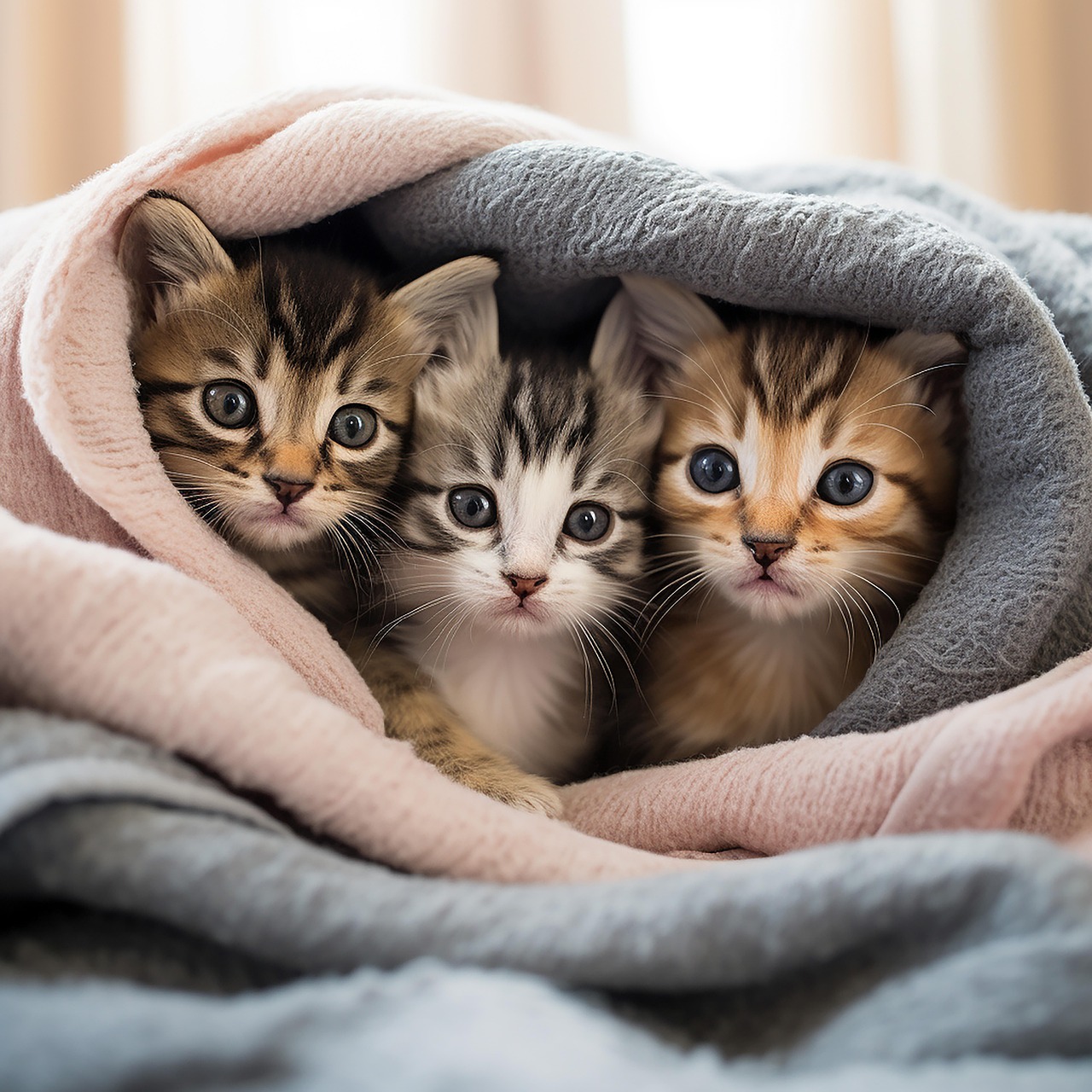

The Importance of Routine in Managing Aggressive Cats
Establishing a consistent daily routine for cats, especially those exhibiting aggressive behaviors, is crucial. Routine fosters a sense of security in cats, helping them anticipate daily activities. This predictable structure lowers anxiety levels and calms fearful, aggressive tendencies. Owners can facilitate this by incorporating meal times, play sessions, and quiet time during the same hours each day. Feeding at consistent intervals ensures that cats are nourished and satisfied, which can positively influence their behavior. Similarly, scheduled interactive playtimes aid energy management, allowing cats to express their hunting instincts through play, reducing aggression stemming from frustration or boredom. Owners should also create a safe space where the cat feels comfortable and secure when stressed. Furthermore, providing vertical spaces such as cat trees can create an environment that promotes exploration. Clearly marked boundaries within the home reveal areas of escape for the cat. Always be patient; sudden changes in routine can trigger further stress. Observing the cat’s behavior and adjusting the routine is essential. Pay attention to signs that require modifications to ensure peace and tranquility at home.
Addressing aggression in cats demands understanding the root causes. Anxiety, territorial issues, and previous traumatic experiences often drive aggressive behavior. It is vital to observe your cat’s behavior to identify triggers. Documenting incidents can reveal patterns that inform behavioral modification strategies. Consult a veterinarian to rule out medical issues contributing to aggression. Sometimes pain and illness can lead to irritability and aggression, not just behavioral problems. Once these factors are ruled out, it’s essential to create a structured environment with defined boundaries. Use positive reinforcements such as treats or praise when your cat displays calm behavior. Gradually introduce socialization opportunities with other pets or people to build confidence. Never force interactions; let the cat approach at its own pace. Providing scratching posts and interactive toys allows for natural behaviors that can alleviate tension. Additionally, consider using pheromone diffusers to create a calming atmosphere. These products simulate natural feline pheromones, promoting relaxation. Over time, with consistency and patience, an aggressive cat can learn to trust and engage positively with its environment and family.
Implementing a Gradual Desensitization Routine
To help aggressive cats socialize effectively, a gradual desensitization routine is key. This process involves slowly exposing the cat to its triggers while ensuring positive associations. Begin this journey with short interactions, allowing the cat to familiarize itself at its own pace. Employ calming techniques before introductions, such as ensuring the room is quiet and free from stressors. Utilize treats and toys to reward positive behavior during these encounters, reinforcing the idea that socialization is enjoyable. Over time, extend the length of the interactions, reinforcing calmness. If the cat exhibits signs of stress, such as hissing or swatting, break off the interaction and give it space, reinforcing positive experiences. Regularly monitor the cat’s body language; understanding signals will help notice when the cat needs a break. This routine can incorporate training sessions focusing on basic commands or clicker training, improving trust and reducing aggressive tendencies. Patience is paramount, as each cat has unique timelines for socialization. The ultimate aim is to allow the cat to build positive connections with its environment and people in a low-stress manner.
Another significant aspect of managing aggressive behaviors is enriching the cat’s environment. Cats need stimulation to remain engaged and content, preventing aggression from boredom. To foster this, incorporate various toys and activities designed to challenge their intellect and instincts. Puzzle feeders, for example, keep cats mentally sharpened while simultaneously redirecting aggressive tendencies toward play. Regularly rotating these toys helps maintain novelty, which can keep the cat engaged. Incorporate cat trees, tunnels, and scratching posts that allow your cat to explore and play. These structures enable climbing and scratching, which are essential behaviors for cats. Create interactive spaces, allowing them to explore various parts of the home safely. Outdoor enclosures or supervised outdoor time can also provide essential enrichment while minimizing the risks associated with outdoor living. The more opportunities you provide for positive engagement, the less likely the cat will express aggression. Additionally, spending quality time bonding with your cat through training, play, or quiet companionship can strengthen your bond and help them feel secure. Overall, environmental enrichment is fundamental in their behavioral management strategy.
Utilizing Positive Reinforcement Methods
Positive reinforcement is essential when managing aggressive cats. This approach emphasizes rewarding desired behaviors rather than punishing undesired ones, creating a supportive environment for learning. When a cat exhibits calm and friendly behavior, immediately offer praise, treats, or petting. This immediate recognition reinforces the act, encouraging the cat to repeat it. Use a clicker or a specific verbal cue to mark appropriate responses, enhancing clarity. Implement a gradual reintroduction process when building social interactions with other pets or visitors. For instance, allow the cat to observe from a distance, rewarding calm behavior with treats. Gradually decrease the distance over several sessions, ensuring the cat is comfortable before proceeding. If aggression occurs, withdraw calmly without negative reinforcement; punishing the cat can erode trust. Instead, return to a distance where the cat feels safe, resuming the process. In addition, educate all household members to employ consistent positive reinforcement strategies when engaging with the cat. Remember, patience is vital—each cat learns at its own pace. Fostering a trusting connection shapes a secure foundation for manageable social interactions.
Furthermore, consider consulting a feline behaviorist if aggression persists despite efforts. These professionals can offer tailored strategies to manage and alleviate aggressive tendencies effectively. A behavioral assessment often reveals underlying issues and can provide a comprehensive plan. They may recommend specific training techniques or suggest environmental changes to enhance the cat’s comfort. In some situations, medication might be advised as a temporary aid to help the cat adjust to new social settings more calmly. It is essential to follow professionals’ guidelines closely when implementing changes based on their recommendations. In addition, ensure a consistent approach among everyone in the household to avoid confusing the cat. A team approach can increase the effectiveness of socialization efforts and strengthen trust. Implementing new strategies may require time and commitment, but the result can be worth it—seeing an aggressive cat transform into a calm and sociable companion. Every positive step counts in this journey, ultimately leading to a more harmonious coexistence between cats and their human families. Remember, gradual changes yield lasting results, enhancing the overall well-being of both the cat and the household.
The Role of Veterinary Support
Veterinary support plays an essential role in managing aggressive cats. Routine examinations ensure the cat’s overall health, as physical ailments often worsen behavioral issues such as aggression. Scheduling regular vet visits that include behavioral evaluations can uncover any underlying problems. Health conditions like hyperthyroidism or dental problems can provoke irritability, often mistaken for aggression. If medical issues are suspected, proper treatment can alleviate discomfort and improve behavior significantly. In situations where aggression persists, some vets may suggest behavioral medications to complement training efforts. These drugs can help manage anxiety levels, making the cat more receptive to socialization. Additionally, veterinarians can offer valuable insights into behavioral management strategies tailored to the individual cat’s needs. They may also recommend supplements that promote calmness, providing an excellent boost alongside a structured routine. Working closely with a veterinarian creates an opportunity to devise a comprehensive plan for aggressive behavior management. Remember, a cat’s emotional and physical health is interconnected, and addressing both aspects is crucial. This collaborative approach helps ensure cats lead happy, healthy lives in a safe, secure environment.
In conclusion, successful cat socialization requires multiple strategies, both in routine establishment and environmental management. Consistent scheduling provides a sense of security that calm cats thrive upon. Gradual desensitization aids aggressive cats in adjusting to their surroundings, while adequate stimulation prevents boredom-induced aggression. Utilizing positive reinforcement nurtures trust and encourages desired behaviors, paving the way toward a harmonious relationship. Veterinary involvement ensures health issues do not hinder progress and that behavioral concerns receive professional attention. As pet owners, establishing a deep understanding of each cat’s needs fosters patience, compassion, and a tailored approach. Each step taken toward socialization enriches the steps of your cat’s journey to a better life. Remember, patience, love, and consistency are your best tools. Celebrate small victories, as they collectively lead to transformative changes. Every cat is unique, as is its journey toward comfort and sociability. With dedication and careful implementation of strategies, aggressive behaviors can diminish, leading to a more peaceful coexistence with humans and other pets. Enjoy the process of learning about your cat, nurturing their well-being, and fostering lasting connections throughout your journey together.