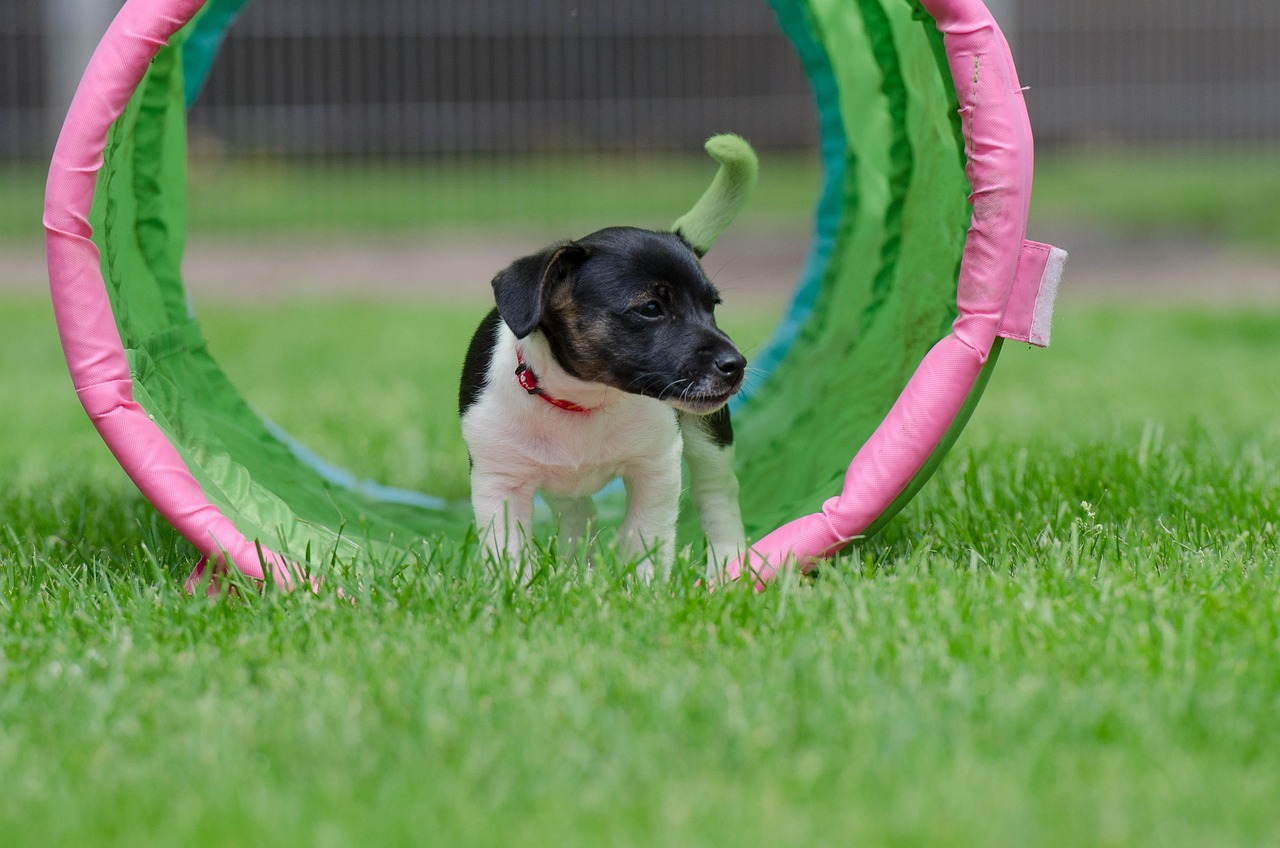

Understanding Puppy Socialization: A Beginner’s Guide
Socializing your puppy is a vital process that sets the foundation for their behavior and happiness throughout life. Early experiences help them become well-adjusted adults. To start, it’s beneficial to introduce your puppy to a variety of people and environments. Take them on outings to busy parks, local shops, or community events, where they can observe diverse sights and sounds. Positive exposure reduces fearfulness in new situations. You can also enhance their experiences at home by inviting friends and family to met them. The more social interactions your puppy has, the more comfortable they’ll be as they mature. Engaging your puppy in play with other puppies offers additional benefits. Look for puppy playgroups or classes in your area, as they provide a controlled environment for socializing. Use time in these settings to allow your puppy to explore while ensuring they remain safe. Remember always to supervise interactions carefully to prevent overwhelming experiences. By prioritizing socialization, you’ll help your puppy grow into a well-rounded dog. Regular interaction will build their confidence, making them more adaptable to various situations in the future.
During the early weeks of your puppy’s life, the window of socialization is crucial. Generally, this period lasts from three weeks to around fourteen weeks. This timeframe is when puppies are most receptive to new experiences and learning opportunities. Deliberate exposure to different sounds, people, and environments during these weeks translates to good adult behavior later. Organizing structured puppy classes is a great step in socialization. Puppy classes usually involve controlled group play, where your puppy can learn proper social skills while enjoying learning commands and obedience training. Professional trainers can guide owners on appropriate behaviors and techniques. Enroll your puppy in a course that encourages safe exploration and interaction with fellow dogs and owners. Engaging with other vaccinated puppies helps your pet develop healthy social habits. Reinforcement is key; always reward your puppy when they display positive social behaviors. A treat or praise for calmness and friendliness goes a long way in reinforcing ideal behavior. Additionally, avoid overwhelming situations despite the desire for socialization. Gradually introduce distractions and new experiences to ensure comfort without excess stress.
The Role of Positive Reinforcement
Positive reinforcement is an essential part of the socialization process. Puppies respond well to encouragement, which helps them associate new experiences with enjoyable outcomes. For instance, offering treats or affection every time your puppy interacts positively with a new person or animal creates a positive correlation in their mind. This technique fosters confidence and reduces anxiety when faced with unfamiliar environments. During socialization outings, consistently carry treats to reward your puppy immediately after successful interactions. This can include greeting kids, walking near other dogs, or even exploring new cardboard boxes that are all excellent opportunities. Be sure to use calming tones to reassure your puppy while training. Avoid using harsh words or negative reinforcement, as this could incite fear or aggression, ultimately harming the goal of socialization. Always be patient during this training period, as each puppy’s learning curve varies. Frequent brief outings are more beneficial than occasional extensive trips. Gradual exposure to various situations—such as train stations, busy roads, or different types of surfaces—helps normalize experiences, leading to a more confident adult dog.
Socialization continues beyond early puppyhood into adulthood, though the earlier stages set a solid foundation. Consistent interactions throughout their life help maintain social skills well into adulthood. Making an effort to introduce your dog to modern experiences encourages confidence in new situations. For example, visiting pet-friendly cafes, outdoor events, or taking rides on public transport can introduce your dog to different stimuli beyond what they encountered during puppyhood. Engaging your dog in community activities can foster positive experiences. This could include taking part in charity events, community walks, or participating in pet-friendly festivals. By integrating your pet into various environments, you help promote adaptability and reduce anxiety when faced with change. It’s essential to keep recognizing your dog’s body language; stress signals might indicate a need for back-off or breaks. Look out for signs of anxiety or discomfort, such as panting, excessive yawning, or hiding. These signs guide you in moderating exposure levels, ensuring that your puppy remains each exposure enjoyable. Throughout their life, appreciate and continue rewarding calm and positive behaviors continually as they grow.
Introducing New Experiences
Puppy socialization involves more than just meeting other dogs; it includes acclimation to varied experiences such as sights, sounds, and textures. Illuminating your puppy to car rides, vacuum cleaners, or public transportation offers them exposure to life’s realities. Start slow and create positive associations with new experiences, transforming anxious reactions into neutral ones over time. For instance, encourage your puppy to experience diverse floor surfaces in your home or during walks. Let them walk on grassy fields, rocky trails, or sandy beaches to introduce different textures beneath their paws. By introducing these novel experiences with breaks and treats, your puppy learns that change doesn’t mean danger. Visiting pet stores can be another enjoyable opportunity to expose your puppy to a variety of sounds and smells. Ensure that any shopping trip remains a positive adventure by treating your dog and allowing them to explore while respecting boundaries. Early exposure can lead to further social development and reinforce bravery, allowing your puppy to grow into a balanced, carefree adult dog. Make sure every outing brings your puppy joy through engaging rewards and consequences.
Fostering a friendly demeanor will benefit your puppy greatly in the long run. Teaching them how to be around dogs outside of their home environment creates a feeling of security. Playdates are an excellent way to make sure your puppy engages with other dogs appropriately. Choose well-mannered, vaccinated friends who are friendly towards other dogs, and limit interactions during the playdate. Recommended locations should be safe and free from outside distractions, creating a controlled environment. Keep your initial meeting short and fun. Over time, gradually increase the duration of play as they become more comfortable with one another. Watch for signs of discomfort and separation anxiety, like whining or drooling, while setting appropriate breaks. Encouraging games such as fetch or tug-of-war can craft a more natural bond, allowing both dogs to express themselves. In contrast, monitor their play style to ensure rough activity does not escalate into aggression. Always intervene positively if necessary to redirect their attention. Being proactive in handling their interactions will cultivate proper social dynamics, contributing to their overall happiness and well-being.
Common Mistakes to Avoid
Even with the best intentions, puppy socialization can involve common pitfalls. One common mistake many owners make is underestimating the importance of consistent and gradual exposure. Rushing interactions can lead to overstimulation or fear, which hinders the goal of making dogs acquainted. Additionally, waiting too long to socialize might result in fearfulness in adult dogs when faced with new situations, highlighting the need for proper timing. A common issue arises with those who only socialize during puppy classes, neglecting to incorporate external environments and visits to new locations regularly. While classes offer structure, practicing in real-world settings is key to reinforcing skills. Another mistake arises when owners punish their puppies when they display fear or anxiety, which can exacerbate the issues. Instead, focus on soothing behaviors and reassurance. Providing positive support encourages your puppy to view situations as enjoyable rather than intimidating. Finally, forgetting to consider your puppy’s individual needs can backfire; understanding the limits and behaviors of your puppy helps tailor their social experiences for a highly successful outcome.
In conclusion, optimizing your puppy’s early socialization experiences is a cornerstone to shaping a well-adjusted adult dog. With proper guidance, patience, and consistency, your puppy can grow into a joyful companion that can manage encounters adeptly throughout life. Always remain proactive in controlling social situations while rewarding positive behaviors. A successful socialization journey is built on trust and care, so take necessary steps early and maintain an open line of communication with your pet. A well-socialized dog not only improves their life but benefits you and those around you in terms of enrichment, interaction, and engagement. The effort spent ensuring your puppy’s comfort during their developmental phases pays dividends as they mature. Sharpening their social skills will facilitate fulfilling relationships commonly experienced with companion animals. Remember to connect with other dog owners for shared experiences and support; learning from each other’s successes can provide additional insights moving forward. Your dedication to puppy socialization guarantees years of joyful companionship and exploration. Embrace the process, and enjoy growing together as you prepare your puppy for their world.