
How to Use ISO and Shutter Speed for Dark Cat Photos
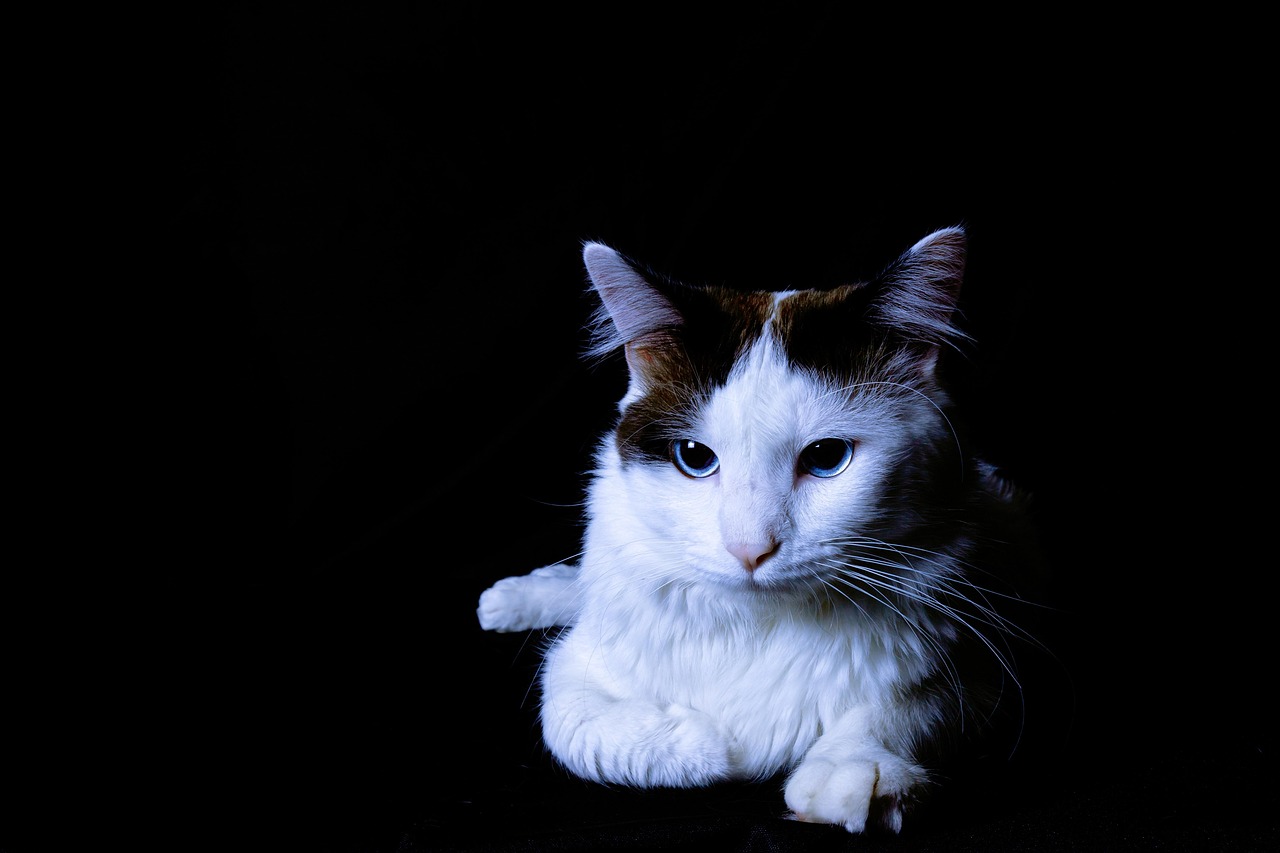
Photographing cats in low light can be a challenge, but understanding ISO and shutter speed can dramatically improve your results. Start by learning what ISO means. ISO measures your camera’s sensitivity to light. In dim environments, like at dusk or in a dark room, increasing the ISO allows your camera’s sensor to pick up more light. However, higher ISO settings can introduce noise, which can reduce image quality. Aim for the lowest possible ISO that still allows for a good exposure while capturing your feline friend’s lively personality. This balance is critical in dark situations and will enhance your photos significantly.
In addition to adjusting ISO, shutter speed is equally important. It determines how long your camera’s sensor is exposed to light. If you use a very fast shutter speed, you capture crisp images of your pet in motion, but this might require a higher ISO. For static shots, such as when your cat is sleeping or lounging, you can afford to use a slower shutter speed. Always keep the exposure triangle in mind: balancing ISO, shutter speed, and aperture allows for optimal dark cat photos. Experimenting with different settings can turn just okay photos into great ones.
Using a Lens and Aperture Effectively
The lens you use can also have a major impact on low-light photography. Wider apertures, indicated by lower f-numbers, let in more light. If your photography gear allows it, a lens with a maximum aperture of f/1.8 or f/2.8 is ideal for dark environments. Cat photography often involves capturing playful moments, so having a lens that allows for fast focusing is invaluable. Additionally, using a lens with image stabilization can help counteract camera shake when shooting at slower shutter speeds, reducing the risk of blurry images, especially with unexpected movements from your pet.
To further refine your low-light photography skills, consider your environment. Natural light can be a photographer’s best friend, even in dark settings. Position your cat near a window or other sources of soft light. Avoid harsh, direct light that causes uneven shadows and bright spots. Utilize reflectors to bounce light onto your furry friend if needed. Always remember that ambient light plays a crucial role in your photos and greatly influences them. Using the right light can evoke emotion and bring depth to your images, enhancing the overall aesthetic quality.
Experiment with Different Settings
Don’t hesitate to explore various ISO and shutter speed combinations when photographing cats in low light. Start with different ISO settings while keeping the shutter speed constant and vice versa. This experimentation is essential to discovering what settings work best for your specific conditions. Remember to use a tripod or stable surface if you’re experimenting with slower shutter speeds, as this minimizes camera shake. Evaluate your shots critically, noting which settings yield the best results. This process of trial and error is a fundamental part of developing your photography skills and will lead to significant improvements.
Another technique to consider is bracketing your shots. Take multiple photos of the same subject at different exposures. This allows you to compare different settings immediately and determine which provides the best image quality in low light. After capturing your photos, utilize post-editing software to enhance your images further. Adjusting levels, contrast, and sharpness can transform good shots into stunning ones. Editing programs also allow for noise reduction, which is especially helpful for images taken with higher ISO settings. This additional editing step can refine your photographs dramatically.
Conclusion: Mastering Cat Photography in Low Light
Ultimately, mastering ISO and shutter speed for dark cat photos requires practice and patience. As you continue to explore these techniques, you will develop a deeper understanding of light and how it interacts with your camera settings. The journey of cat photography can be incredibly rewarding, as you capture the unique characteristics of each feline. Don’t get discouraged if you don’t achieve perfect images right away. Every photographer experiences setbacks, but improvement comes through resilience and consistent effort. With time, you will learn the balance required to take stunning low-light cat photos.
Remember that there will always be new skills and techniques to discover in cat photography. Keep an open mind and stay curious about your craft. Follow online forums and communities of fellow cat photographers to exchange tips and gain inspiration. Additionally, seek feedback on your work, as it can offer invaluable insights for your photographic journey. You’ll also have the chance to make new connections, share experiences, and grow creatively. The world of cat photography offers endless possibilities for composition, lighting, and expression. Happy photographing!