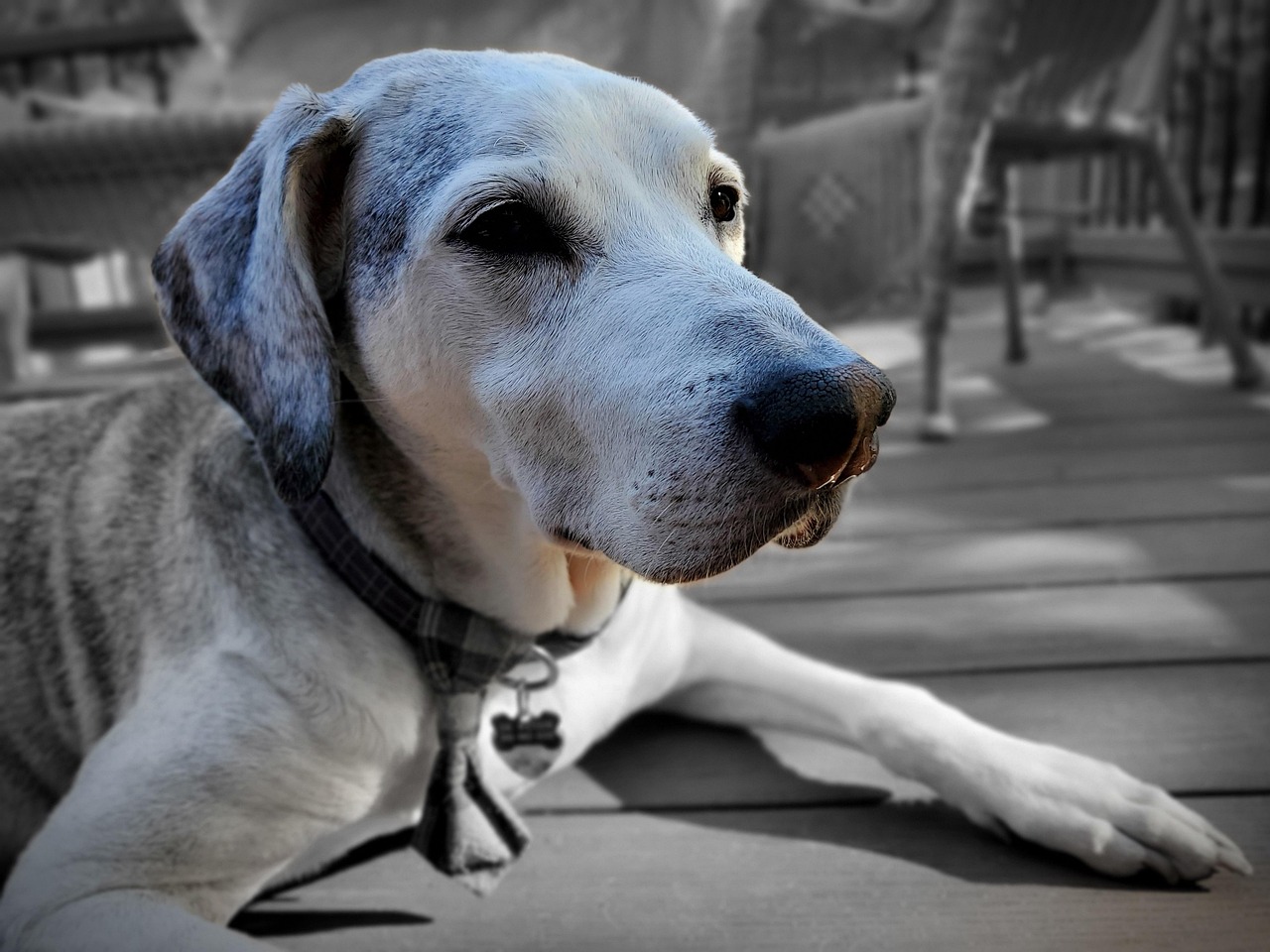

Vaccination Risks for Senior Dogs: Precautions and Considerations
Vaccinating senior dogs is crucial for their health, but it also comes with specific risks. Older dogs often have compromised immune systems, making them more susceptible to vaccine-related side effects. Veterinarians recommend a thorough health evaluation prior to vaccination. Some common side effects of vaccinations can include lethargy, fever, and localized swelling. In rare cases, anaphylaxis, a severe allergic reaction, may occur, necessitating immediate veterinary intervention. Owners should closely monitor their pets post-vaccination. Ensure that your dog is in good health before scheduling vaccinations. Have a discussion with your veterinarian concerning any pre-existing conditions, as these could influence vaccine response. You can also consider alternatives like titer testing, which measures immunity levels and may reduce unnecessary vaccinations. Remember to keep records of vaccinations and keep up-to-date on any changes in local vaccination laws and regulations. Also, speak to your veterinarian about the appropriate vaccination schedule for your senior dog. The decision to vaccinate should be made considering both the potential benefits and risks, as well as your dog’s individual health status, to ensure optimal health outcomes.
Understanding the Impact of Age on Vaccination
As dogs age, their immune systems weaken, making vaccinations more critical yet riskier. The potential benefits must be weighed against possible adverse effects. Senior dogs frequently have chronic health conditions that may alter their response to vaccines. Consult with your veterinarian to assess your dog’s overall health before deciding on vaccinations. The veterinarian may advise delaying vaccinations or using a modified protocol to reduce stress on the immune system. Regular check-ups become vital to monitor the health of senior pets. Additionally, consider the types of vaccines your dog needs. Core vaccines are widely recommended, while non-core vaccines may depend on specific risks associated with your dog’s lifestyle. For example, if your dog seldom encounters other animals, certain vaccines may not be necessary. Age-related health issues such as arthritis or heart disease may also complicate vaccinations. It’s essential to prioritize comfort and minimize stress while ensuring necessary protection against diseases. Always seek guidance and tailored advice from veterinary professionals who understand your dog’s unique medical history and requirements for the best vaccination strategy.
After vaccination, be observant of any behavior changes in senior dogs. Increased fatigue or reluctance to engage in usual activities might require veterinary attention. Other symptoms may include vomiting or diarrhea, which should not be ignored. These signs might indicate an adverse reaction to the vaccine or other underlying health issues exacerbated by the vaccination process. It’s crucial to assume a proactive monitoring role during this time. Keeping the vaccination schedule consistent can also help safeguard senior dogs from preventable diseases. Discuss potential side effects openly with your veterinarian to prepare yourself. Having a plan in place to address any adverse reactions can lead to prompt medical care when needed. In some cases, your veterinarian may recommend post-vaccination appointments to assess the dog’s recovery. This proactive approach ensures that your senior dog remains healthy and happy while receiving the necessary vaccinations. Furthermore, understanding the benefits of vaccinations aids owners in making informed decisions about their dog’s health. Regular health checks and vaccinations can truly improve a senior dog’s quality of life while extending longevity, which should always be the goal of pet owners and caregivers alike.
Choosing the Right Vaccination Schedule
Every senior dog has unique health needs, which should inform a careful vaccination schedule tailored for them. Discussing this with your veterinarian is essential, as they can provide specific recommendations based on previous medical history and current health conditions. Regular visits to the veterinarian allow for adjustments in the vaccination protocol as needed. Establishing a vaccination schedule helps to maintain immunity while considering potential risks. Certain vaccines can be administered every three years instead of annually for healthy senior dogs, potentially reducing risks. Always inquire whether your dog essentially requires specific vaccines due to age-related concerns or lifestyle changes. Additionally, provide your veterinarian with a complete list of medications to evaluate potential interactions. Senior dogs might already be on medications for arthritis or other chronic conditions that could influence vaccine efficacy or safety. Also, ensure that senior dogs are hydrated before vaccination, as appropriate hydration levels support immune function. This attention to detail can dramatically enhance your dog’s vaccination experience and subsequent recovery while maximizing overall health. Empowering pet owners to play an active role in their dog’s health journey is pivotal as pets age.
In summary, vaccinations for senior dogs necessitate careful consideration and planning. While vaccinations play a key role in preventing diseases, the associated risks require thoughtful discussion with a veterinarian. Owners should actively participate in decisions regarding their senior dog’s health care. Factors such as age, pre-existing health conditions, and lifestyle should guide vaccination choices. It’s advisable to adopt an individualized approach where vaccinations are tailored to the dog’s unique needs. If opting for vaccinations, ensure consistent follow-ups with the veterinarian to assess post-vaccination health. Additionally, if adverse reactions are suspected, immediate veterinary consultation is essential. Recognizing early signs of complications can help mitigate risks involved with vaccines. Furthermore, educate yourself about local vaccination laws and health guidelines, ensuring compliance while protecting your senior dog. Always stayed informed about both core and non-core vaccinations to make educated decisions. Finally, considering supplements for immune support may provide additional health benefits for senior dogs undergoing vaccinations. Strive always to balance the vaccination requirements with the safety and comfort of your senior companion. Achieving this balance is vital in supporting the healthy life of your dog.
Conclusion and Final Thoughts
The goal of vaccinating senior dogs is always to enhance their quality of life. Effective health management strategies require a proactive approach toward vaccinations, avoiding any unnecessary risks. For senior dogs, health monitoring must adapt to age-sensitive changes, ensuring they handle vaccinations well. Don’t neglect regular check-ups and vaccinations as tools for disease prevention. Staying current with veterinary advice and scientific advancements will enhance your senior dog’s health journey. Adhering strictly to personalized vaccination schedules can help minimize adverse reactions while maintaining robust immunity. Continuously engage with your veterinarian to ensure your dog’s individual needs are being met and that their vaccination history is well documented in case of emergencies. As an informed pet owner, advocating for the health and longevity of senior dogs is fundamental. Ensuring that your senior dog receives optimal care, by understanding both the precautions and the benefits associated with vaccinations, will lead to a fulfilling life for your beloved companion. Making the right decisions concerning health can lead to happy moments and extended years of companionship.
Ultimately, the decision to vaccinate senior dogs should be comprehensive and enlightening. Reflecting on their quality of life, an educated approach allows for informed decision-making regarding vaccinations. As a dog owner, you become your pet’s best advocate, ensuring they’re protected without unnecessary risks. Knowing the vaccination protocol, potential side effects, and how to manage them helps you safeguard your furry friend. Whether you decide to proceed with vaccinations or seek alternatives, always ensure that quality care remains paramount. Always check with veterinarians for ongoing advice and updates about vaccination protocols. Embrace your role in your dog’s health journey, diligently addressing questions or concerns with veterinary officers. Keeping a clear line of communication with your veterinarian will ensure regular updates about best practices surrounding vaccinations for senior dogs. Striving for the perfect balance between health risks and maintaining immunity provides an unmatched sense of peace in pet ownership. Every action you take can potentially contribute to your senior dog’s well-being. Stay informed, proactive, and vigilant about their health to promote a loving and fulfilling environment as they age.
References for Further Reading: If you are interested in learning more about vaccinations for senior dogs, check out this resource from the American Veterinary Medical Association. Further information on specific vaccinations can also be found at PetSmart. Consulting with your veterinarian is essential for tailored advice. Regular educational updates will keep your knowledge current while helping your senior dog live a longer, healthier life. Knowledge is key in navigating the complexities surrounding vaccinations.Addressing the unique needs of senior dogs provides an opportunity for pet owners to give these aging companions the best care possible. Make sure to monitor all treatments closely and adapt whenever conditions change. Staying well-informed empowers you to make decisions consistently in the best interests of your furry friend. It is vital to foster a trusting relationship with your veterinary team to streamline effective and responsive care strategies throughout your dog’s golden years.