
Training Your Dog to Respond to First Aid Signals
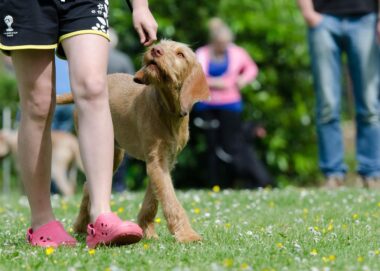
Training your dog to react to first aid signals is a vital skill that can greatly benefit both you and your canine companion. First aid protocols require swift action, and having a dog that can respond to commands related to emergencies is essential. Start with basic obedience commands, such as sit, stay, come, and down. These foundational commands will help you communicate effectively in stressful situations. Using positive reinforcement techniques, such as treats or praise, can enhance learning. Gradually introduce first aid signals, associating them with specific commands. This process might include simple hand signals or verbal cues. For instance, a particular sound or signal could indicate that your dog should approach and stay close to you when you require help. It is crucial to maintain consistency in your signals, ensuring the dog learns their meanings clearly. Additionally, practice these commands in various environments to prepare your dog for real-life scenarios. Enrolling in a training class focused on first aid signals can offer structured guidance and additional strategies for success. Overall, the goal is to enable your dog to assist in emergencies while remaining safe and calm.
Part of successful training involves educating yourself about canine behavior. Understanding your dog’s natural instincts can create more effective communication during emergencies. Observe how your dog reacts to different commands, social interactions, or stimuli. Doing so can help you adjust your training techniques to fit their personality and learning style. For example, if your dog is more responsive in quiet environments, practice advancing your training in those spaces before introducing higher distraction levels. When your training includes first aid signals, create a routine to practice regularly. Routine practice reinforces the skills learned and builds an emotional connection between you and your dog. Also, varying your practice sessions can prevent boredom and keep your dog engaged. You can incorporate various environments and scenarios, mimicking potential emergencies your dog might face in the future. Gradually increase your dog’s exposure to distractions, which hones their focus and adaptability. Additionally, consider enlisting a friend or family member to simulate situations that could require first aid. This real-world practice prepares your dog for the unpredictability of actual emergencies, ensuring they are ready to respond effectively when it matters most.
Essential Commands for First Aid Training
Incorporating essential commands into first aid training is pivotal. Commands like “stay,” “come,” and “search” can be critically beneficial. The command “stay” signals your dog to remain in a safe position, providing you time to assess situations. When the dog is trained to come when called, it effectively offers support in emergencies or distracting environments. Similarly, introducing a command like “search” or an associated hand signal can train your dog to safely locate a missing person or retrieve needed supplies. Clear, consistent cues help the dog understand their role during these critical moments. Additionally, incorporating visual cues allows your dog to respond better to the commands. For instance, if whistle commands are included, keep the sound consistent and distinct. Concurrently pairing verbal commands with actions or gestures reinforces learning. Making training sessions fun and engaging is essential to hold your dog’s attention, ensuring effectiveness. Play-based training techniques can maintain enthusiasm while also reinforcing serious skills. Regularly review all commands, reinforcing their importance as part of emergency readiness, ensuring your dog becomes an invaluable partner in times of need. Training should be a continual process, adapting along with your dog’s development.
Building confidence through positive reinforcement is a crucial aspect of training your dog to respond to first aid signals. Rewarding your dog for successful commands or behavior will encourage a better response time in emergencies. This also nurtures trust between you and your dog, enhancing their willingness to perform under pressure. Initially, apply liberal praise and small treats whenever your dog successfully follows a command or engages with first aid training. Gradually reduce dependence on treats as your dog becomes more proficient, transitioning to verbal praise alone. Regularly practicing commands in various environments solidifies confidence, preparing your dog for real-world applications of their training. Beyond just basic actions, integrating fun activities that mimic first aid scenarios can build confidence. For example, gently creating a mock event where your dog must respond to a perceived emergency can help familiarize them with the experience. Look for breed-specific resources to tailor training for your dog’s natural instincts and behavioral tendencies. For example, some dogs may instinctively seek to comfort a person in distress, providing a softer role during emergencies. Ultimately, the objective is to foster a well-rounded, confident canine that can assist effectively and intelligently during critical situations.
Reinforcing Your Dog’s Training
Monitoring and reinforcing your dog’s training after initial sessions is just as important as the training itself. As your dog progresses, staying vigilant about refreshing commands is necessary to prevent loss of skills. Regular practice helps keep the behaviors sharp and ensures your dog retains their training over time. Schedule brief refreshers and integrate them into your daily routine to solidify the existing skills. Activities could be as simple as practicing commands for a few minutes during a walk or substituting ordinary tasks with your dog’s training for engagement. Once confident in basic skills, consider introducing new first aid commands or signals gradually. This approach keeps your dog engaged and mentally stimulated, promoting continuous learning. Furthermore, make it a habit to reward your dog for their focus and effort during training sessions, reaffirming a positive learning experience. Documenting their progress can provide helpful insights over time, tracking improvements and areas that may need more attention. Celebrate milestones and small victories along your training journey, reinforcing the bond you have with your dog and promoting a positive outlook towards further training and collaboration.
In conclusion, effectively training your dog to respond to first aid signals is a worthwhile endeavor that demands patience and consistency. The bond developed during this training enhances the connection between you and your dog, fostering mutual respect and understanding. Remember, the training process can be adapted to suit your dog’s individual needs, preferences, and abilities. Each dog learns at their own pace, so avoid rushing through steps to alleviate possible frustration. Beyond merely teaching commands, ensure your dog is familiar with the various environments in which they may need to perform. Practicing in diverse locations reinforces their adaptability and confidence. Continuing education, both for yourself and your dog, is essential; consider attending workshops or online courses to further enhance your techniques and understanding. Additionally, building a network with other dog owners or trainers can provide valuable insights and differing perspectives on effective training practices. A well-trained dog capable of responding to first aid signals is not just a safety measure; they provide companionship and support. With continuous commitment and love, you can create an invaluable aide in emergencies, driving home the importance of both learning and enjoying this important training together.
Final Thoughts on Training
Investing time and effort into training your dog to respond effectively to first aid signals equips your canine partner for any emergency. This commitment ensures that your dog can help in critical times while also fostering a deep, trust-filled relationship between you two. By integrating first aid practices, you enhance your dog’s skills for safety and build an essential layer of protection for yourself and your community. Remember to make the training enjoyable, competing with rewards, challenges, and engagement to keep your dog eager to learn. As you engage in this important journey together, you will likely discover unique behaviors and strengths within your dog previously unrecognized. Training is not solely about safety; it creates enriching experiences that deepen your understanding of each other. Exploring methods to continuously sharpen their training allows both of you to grow. Connect with local instructors or online communities for resources and shared experiences that can augment your training journey. Reinforcement remains crucial as you both evolve. Ultimately, this effort is an investment in your well-being and security enabling your dog to become your steadfast companion through emergencies and life.
Finally, never underestimate the importance of maintaining your dog’s physical and mental health throughout their training journey. A healthy dog with ample physical energy and a positive mental state is fundamental for successful learning and performance. Regular exercise, a balanced diet, and mental stimulation through toys or games are crucial. Pay attention to any changes in health or behavior during training; consult a veterinarian for advice when necessary. Understanding how to keep your dog in peak condition is integral to their ability to participate effectively in first aid training. By fostering an environment that nurtures your dog’s well-being, you set the stage for optimal learning and responsive actions in emergencies. Bolstering training through consistent engagement also strengthens the bond between you and your dog. Encourage participation through fun activities or tasks that align with their training. Training together not only improves skills but also enriches the relationship, making your dog more likely to assist when the time comes. Seize every opportunity to learn and grow together, ensuring your journey through dog training is as rewarding as the results. This mutual experience will deepen your connection while equipping your canine partner to support you in critical instances.