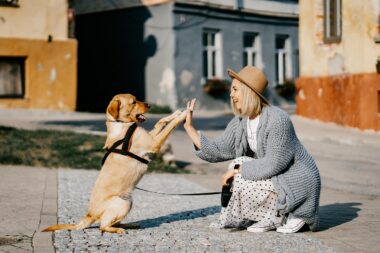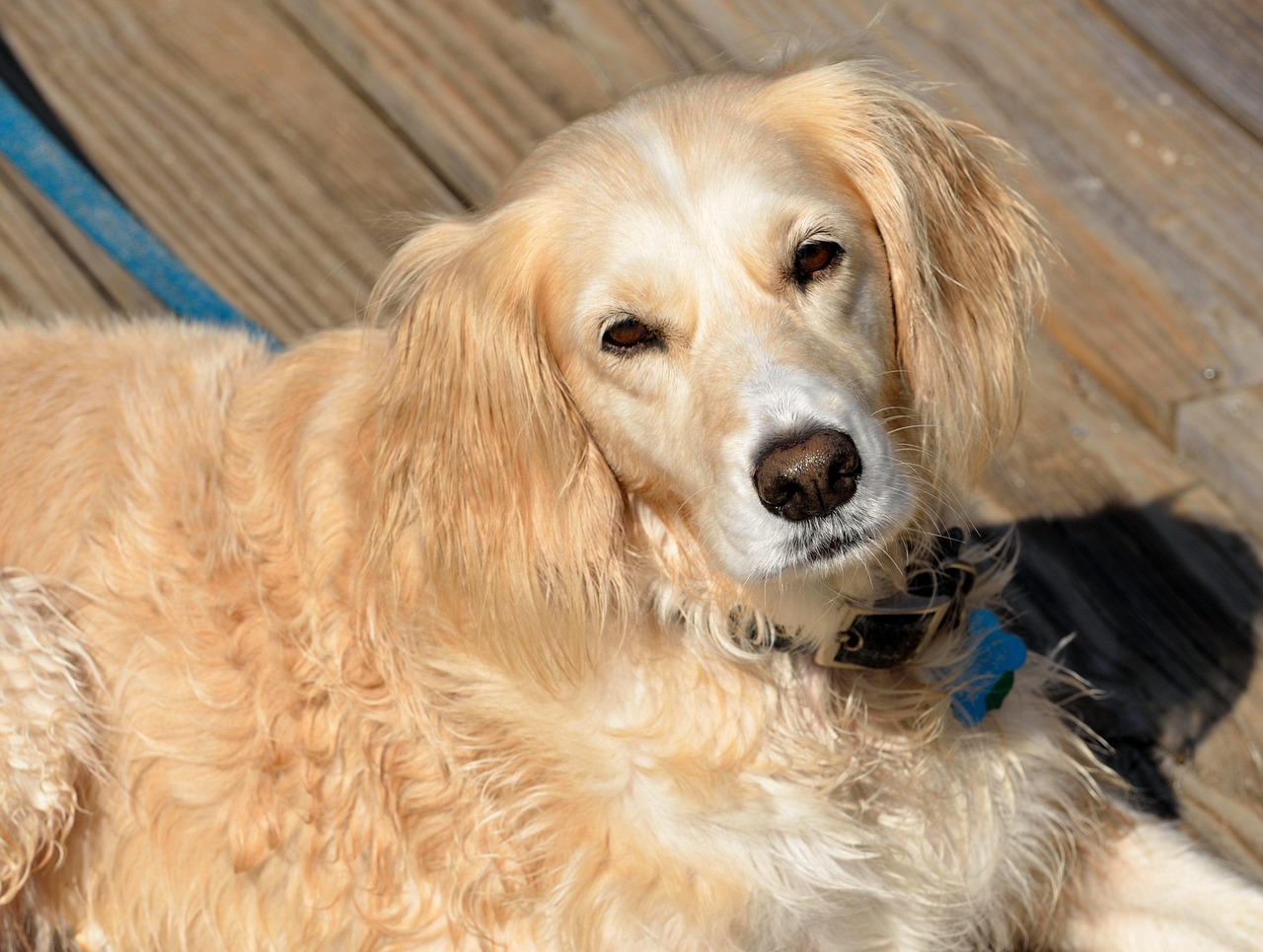

Building Confidence in Your Adopted Dog
Adopting a dog marks an incredible turning point in both your life and the dog’s. When you bring home a new pet, you’re not just gaining a companion; you’re also tasked with building their confidence. For many adopted dogs, adjusting to a new home can be overwhelming. They may have faced challenges in their past that continue to affect their behavior. Your first responsibility is to create a loving and safe environment that fosters trust. To get started, ensure your house is free of hazards. Create a designated safe space where your dog can rest without disturbances. Use their favorite blanket or toy to make this area inviting. Moreover, promote a positive atmosphere using praises and treats during training. Use calm and gentle tones to help them feel secure. Remember to invest quality time for bonding. Walks around the neighborhood can help your dog discover their new surroundings in a low-stress way. Overall, a nurturing and consistent approach will motivate your dog to grow their confidence steadily over time, helping them adapt beautifully to your home.
To further assist in socializing your adopted dog, consider exposing them gradually to various situations. Introduce them to new environments, people, and sounds. Always proceed slowly, allowing your dog to acclimate at their own pace. Start with quiet parks and less crowded streets, gradually increasing the level of stimulation. This practice prevents overwhelming the dog, helping them build resilience. Observe your dog’s body language, choosing to expand or retract stimulation based on their reactions. A wagging tail generally indicates comfort, while signs of stress such as cowering or growling require adjustments. Additionally, using treats and verbal encouragement during these outings can motivate your dog to approach new experiences. Remember, patience is key! Another effective method is to involve them in social activities, like puppy classes or dog meet-ups where they can interact safely with other dogs. This interaction will boost their confidence and improve their social skills. Every positive experience serves as a building block for their confidence. The goal is to help your dog feel secure and happy in their environment, fostering a strong bond between you and your new furry family member.
Building Trust Through Daily Routines
Consistency creates a nourishing atmosphere in which your dog can thrive. Establishing daily routines is vital for building trust and confidence. Dogs are creatures of habit, and a predictable schedule will make them feel secure. It can include feeding times, walk schedules, and playtime. The more your dog understands what to expect, the more relaxed they will become. Also, utilize obedience training as an opportunity to reinforce your bond. Teaching commands through positive reinforcement—like treats and praise—will strengthen their confidence. Additionally, ensure training sessions are short and fun to maintain their interest. Incorporate daily play sessions, which can further foster trust. Playtime offers a perfect setting to nurture their confidence. Opt for interactive games like fetch or hide and seek that allow your dog to explore and succeed. Allow your dog to lead through play, letting them dictate the pace while you encourage their efforts. Following this structured approach will significantly benefit their emotional well-being. Recognizing their efforts will further reassure them, leading to increased trust in you as their loving guardian.
Another way to build confidence in your newly adopted dog is through communication and interaction. Dogs, much like humans, thrive on understanding. Use a consistent set of commands and hand signals. This helps your dog learn what you expect from them. When issuing commands, always maintain a calm demeanour. This emotional consistency reassures your dog that you remain in charge in any situation. When your dog follows through with a command successfully, use positive reinforcement. Celebrate their achievements with enthusiastic praises and reward them with treats. Your encouragement plays an essential role in reinforcing desired behaviors. Additionally, communicate with affectionate words and gentle touches. This fosters a loving environment, teaching your dog that you are a source of safety and comfort. Consistency in communication will nurture their confidence levels over time. Along with verbal communication, pay attention to their body language. Tail wagging, playful gestures, and relaxed postures indicate a confident dog. When you notice these signs, offer a pet or hug to reinforce their bravery. As your new companion learns to communicate with you, your bond will deepen, helping to solidify their independent yet confident personality.
Encouraging Exploration and Outdoor Activities
Encouraging your adopted dog to explore their surroundings can significantly contribute to building their confidence. A well-socialized dog benefits immensely from discovering the world around them. Start with introducing them to your backyard, allowing them to explore the scents and textures. Gradually progress to neighborhood walks, parks, and safe public areas. These outings serve dual functions: socialization and physical exercise, both essential for your dog’s mental health. Be sure to let your dog take the lead, sniffing and exploring at their pace. When they show interest in a new experience, encourage them with treats and praise. Never rush them; allow time for any scares or hesitations to dissipate. If they’re particularly timid, draw their focus onto fun activities during the outing. Tossing a ball or engaging in a tug-of-war can distract them from their fears. While exploring, watch for any signs of anxiety. If they hesitate, reassure them with calming words and gentle strokes. Together, you can learn to enjoy your outings, helping your dog to gain confidence as they discover new places alongside their loving owner.
To further promote confidence in your dog, consider establishing friendships with other pet owners. Meeting other dogs and their humans creates a social network beneficial for both you and your new companion. Begin by setting up playdates with gentle, well-socialized dogs. This allows your dog to interact positively while learning from more confident peers. Supervise initial introductions to ensure a safe and comfortable environment. Allow your dog to observe the other dogs without forcing interaction. Picking up on social cues from the other dogs can greatly assist in building their confidence. Moreover, consider enrolling in group training classes. These classes not only teach commands but also offer valuable social experiences. Joining such classes enables dogs to encounter various distractions, helping to acclimatize them to new situations alongside their new friends. All these social interactions equip your dog with tools to navigate the world confidently. Ensure that you celebrate their progress during these interactions with plenty of praise, strengthening their understanding of successful social behavior. A confident dog will naturally engage more with their new environment, showcasing the positive effects of friendship in their growth process.
Seeking Professional Help if Necessary
In some cases, building confidence in an adopted dog may require professional assistance. If you notice persistent anxiety or behavioral issues, consulting a dog trainer or behaviorist can provide valuable insights. These experts assess your dog’s behavior and offer tailored training plans. Transitioning into a new home can be challenging, especially if your dog has had traumatic experiences. Professional guidance can help develop effective strategies for your unique situation. They often employ techniques such as desensitization and positive reinforcement for fear or anxiety-related issues. Furthermore, group classes led by professionals can help socialization in a controlled environment. A trainer can offer valuable feedback while socializing to ensure safe interactions. Alternatively, consider joining support groups for dog owners facing similar issues. Sharing experiences and advice can help you navigate challenges while providing additional support for your dog. Keep in mind that building confidence takes time, and each dog has its own pace of development. Patience is paramount. Whether through personal dedication or professional assistance, investing in your dog’s confidence is invaluable in forging a solid bond with your new furry friend.
To conclude, building confidence in your adopted dog is a journey. Each step you take shapes their emotional foundation while fostering a deeper bond between you two. Begin with establishing a consistent routine, as it helps them feel secure. Gradually expose your dog to new environments while using positive reinforcement techniques. Ensure communication is clear and consistent, employing simple commands and gestures to guide them through learning experiences. Encourage outdoor exploration and foster new friendships with other dogs and their owners. If challenges persist, don’t hesitate to seek professional advice. Learning patience and embracing the process will ultimately yield remarkable progress. Celebrate each milestone along the way, showing your gratitude for their efforts. As you and your new companion navigate this journey, remember that building confidence necessitates love, understanding, and support. Together, you will experience delightful moments that create lasting memories and strengthen your bond. The time spent nurturing your adopted dog contributes to a happier and healthier relationship. As trust builds, your dog’s confidence will flourish, paving the way for a rewarding companionship filled with joy and love.