
Hydrotherapy vs. Traditional Bathing: Which Is Better for Dog Grooming?
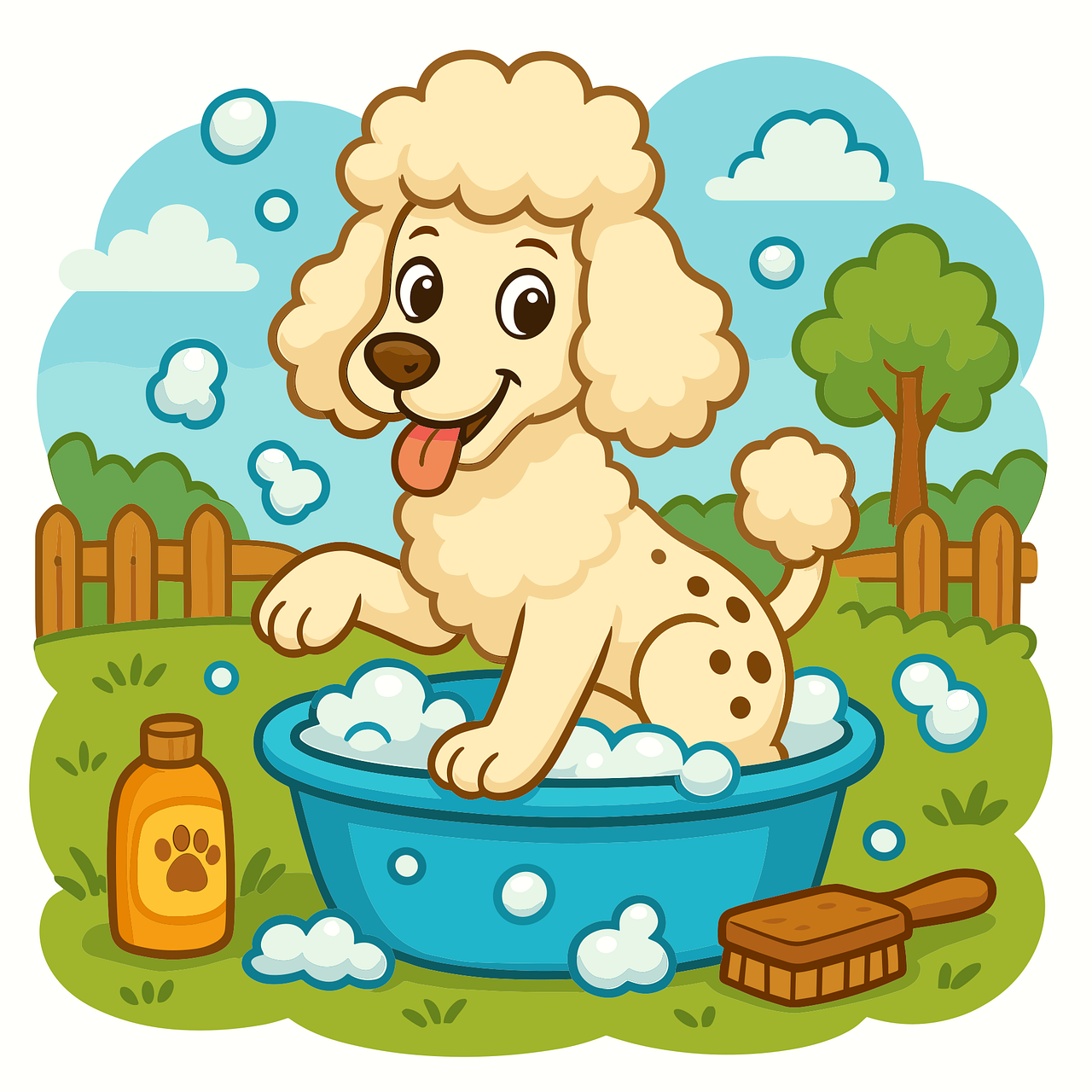
Choosing the right grooming method for our furry friends can be a significant decision, particularly when comparing hydrotherapy and traditional bathing. Hydrotherapy has garnered attention due to its focus on rehabilitative benefits, aimed at dogs dealing with injuries or chronic joint problems. The warm water offers soothing relief, encouraging relaxation and aiding in muscle recovery. On the other hand, traditional bathing is a staple in dog grooming, providing a cleaning regimen that’s simple and effective for most breeds. Shampoo and conditioners specifically designed for dogs are used to clean the coat while removing dirt and allergens. While hydrotherapy offers therapeutic benefits, the primary appeal of traditional baths lies in their convenience and accessibility. Many pet owners opt for basic bathing due to their familiarity, making it easier to incorporate into routine pet care. Understanding the unique attributes of both methods can help guide dog owners in making informed grooming choices that suit their dog’s specific needs and characteristics.
When assessing the effectiveness of hydrotherapy versus traditional bathing, various factors come into play. Hydrotherapy is particularly effective for dogs recovering from surgery or dealing with disabilities, as it provides support in a controlled, buoyant environment. This method also allows the water to work its magic on the dog’s fur, gently cleansing while maintaining optimal hydration of their skin. Traditional bathing, however, focuses primarily on hygiene, using soaps that remove dirt, oils, and odors. Different breeds may require unique bathing frequencies, with long-haired dogs typically requiring more frequent grooming sessions. Competitive groomers often prioritize traditional methods to ensure their dogs look pristine and presentable. Hydrotherapy ideally complements traditional bathing by incorporating massage elements, which can further enhance the dog’s overall grooming experience. If your dog suffers from skin conditions or allergies, consider consulting your veterinarian before adopting a new bathing routine. Combining both techniques where appropriate can yield benefits that maximize comfort and cleanliness, ensuring your dog’s health and well-being are top priorities during grooming.
Health Benefits of Hydrotherapy
Hydrotherapy not only provides a grooming method but also offers numerous health benefits for dogs in need of rehabilitation. The warmth of the water not only relaxes the muscles but also promotes flexibility within stiff joints, making it ideal for aging or arthritic dogs. By submerging them in warm water, hydrotherapy can alleviate pain and stiffness, which traditional bathing cannot achieve. Furthermore, the buoyancy in water reduces the weight and pressure on joints during movement, which is particularly valuable for weight-bearing exercises. Many hydrotherapy centers provide professionally supervised sessions tailored to address a dog’s specific health requirements. In addition to physical benefits, hydrotherapy can also foster a mental boost, as dogs often feel more relaxed and at ease afterward. The combination of hydrotherapy and traditional grooming can create a comprehensive approach to your dog’s health and hygiene, allowing for preventive care to remain part of their lifestyle. Those actively involved in competitive dog grooming often note remarkable improvements in their dogs’ overall energy levels and demeanor when managing a blended grooming approach.
Traditional bathing, while effective for the average dog, can sometimes lead to over-bathing, which may strip essential oils from the skin. This results in dryness, irritation, and possible skin conditions. Hydrotherapy minimizes such risks by using water’s natural properties to provide a gentle cleaning experience. Additionally, the various therapeutic aspects of hydrotherapy, such as massage and water resistance, allow for a deeper cleaning of the skin and coat, helping to maintain a healthy barrier against environmental factors. For those looking to enhance their dog’s grooming sessions, investing in quality hydrotherapy equipment or visiting specialty grooming salons equipped with pools and specialized knowledge can be beneficial. Moreover, regular hydrotherapy sessions can help maintain a dog’s coat by ensuring it remains clean and free of debris. Regardless of which method is used, dog owners should pay close attention to their pet’s coat and skin condition following grooming sessions. This vigilance is crucial in ensuring long-term health and happiness, as it allows for the early detection of any potential issues.
Choosing What’s Right for Your Dog
When it comes to selecting the best grooming method for your pet, considering their specific needs is paramount. Each dog is unique, and their grooming requirements may vary based on breed, age, and any underlying health conditions. Dogs with long or thick coats may benefit from hydrotherapy sessions combined with traditional baths to achieve optimal cleanliness and health. Additionally, those struggling with anxiety during traditional grooming processes may find hydrotherapy to provide a more soothing alternative due to the calming effects of water. Similarly, dogs that engage in regular physical activities may likely require both hydrotherapy for muscle recovery and periodic traditional baths to manage cleanliness. An individualized assessment can lead to better outcomes by blending these methods based on a dog’s grooming history and current condition. Moreover, grooming professionals can offer valuable insights into what combinations work best for yielding the highest quality care. Pet owners are encouraged to take their time addressing the best fit to ensure their canine companions receive the best possible grooming tailored uniquely to their needs.
It’s essential to remember that preventative measures are the key to maintaining optimal skin and coat health. For this reason, adopting both hydrotherapy and traditional bathing practices can create a focused and comprehensive grooming strategy. Keeping up with a regular grooming schedule can prevent matting of the fur, build-up of dirt, and potential skin irritations. Additionally, a consistent routine will help dogs adapt to both methods, reducing anxiety associated with grooming. Schedule appointments at local grooming facilities that offer diverse services or invest in hydrotherapy equipment to facilitate a holistic approach. Furthermore, consider employing canine dermatologists to ensure the best products are being used during grooming. This ensures skin and coat health are prioritized, allowing you to choose products that cater to your dog’s specific requirements while maintaining their comfort. By combining the skill sets of traditional grooming with the health benefits offered by hydrotherapy, there’s potential for improving overall dog satisfaction, making it an optimal choice for pet owners looking for well-rounded grooming solutions.
Conclusion: Making the Best Choice
Ultimately, choosing between hydrotherapy and traditional bathing does not have to be an either/or path. Instead, dog owners can integrate both methods to promote comprehensive care for their pets, maximizing health benefits while maintaining a clean and tidy appearance. Careful consideration of your dog’s individual grooming needs, utilizing professional advice, can make this decision easier. Hydrotherapy is particularly beneficial for dogs needing rehabilitation or dealing with chronic conditions, while traditional bathing remains essential for hygiene. The key lies in understanding the advantages and limitations of each method to ensure optimal care and results. Additionally, creating a routine that balances both techniques may result in a happier, healthier dog. Remember to engage with knowledgeable professionals, consult resources, and involve your dog in the decision-making process, all of which will contribute to a positive grooming experience. As you explore both hydrotherapy and traditional grooming methods, consider tailoring solutions that harmonize individual needs, creating a fulfilling and enjoyable grooming destination for your cherished pet.
In conclusion, pet grooming serves as a crucial component of responsible dog ownership, with both hydrotherapy and traditional bathing providing unique benefits. Evaluating your dog’s specific grooming habits, health conditions, and preferences can guide an informed decision. By figuring out a schedule that incorporates both techniques, you can ensure your dog’s cleanliness and comfort are paramount. Embrace the advantages of specialized hydrotherapy that can facilitate recovery while acknowledging the reliability of traditional methods to ensure your furry friend remains well-groomed. Whether it’s in a grooming salon setting or at home, maintaining vigilance over your dog’s coat and skin health is essential for a long, happy life. Engage with a dedicated grooming professional or veterinarian to work out the best grooming plan tailored to your dog’s needs. Your commitment to their grooming journey can lead to healthier, happier pooches who feel pampered and loved. Explore, discover, and enjoy the bond between you and your furry companion each time you dive into their grooming routine!