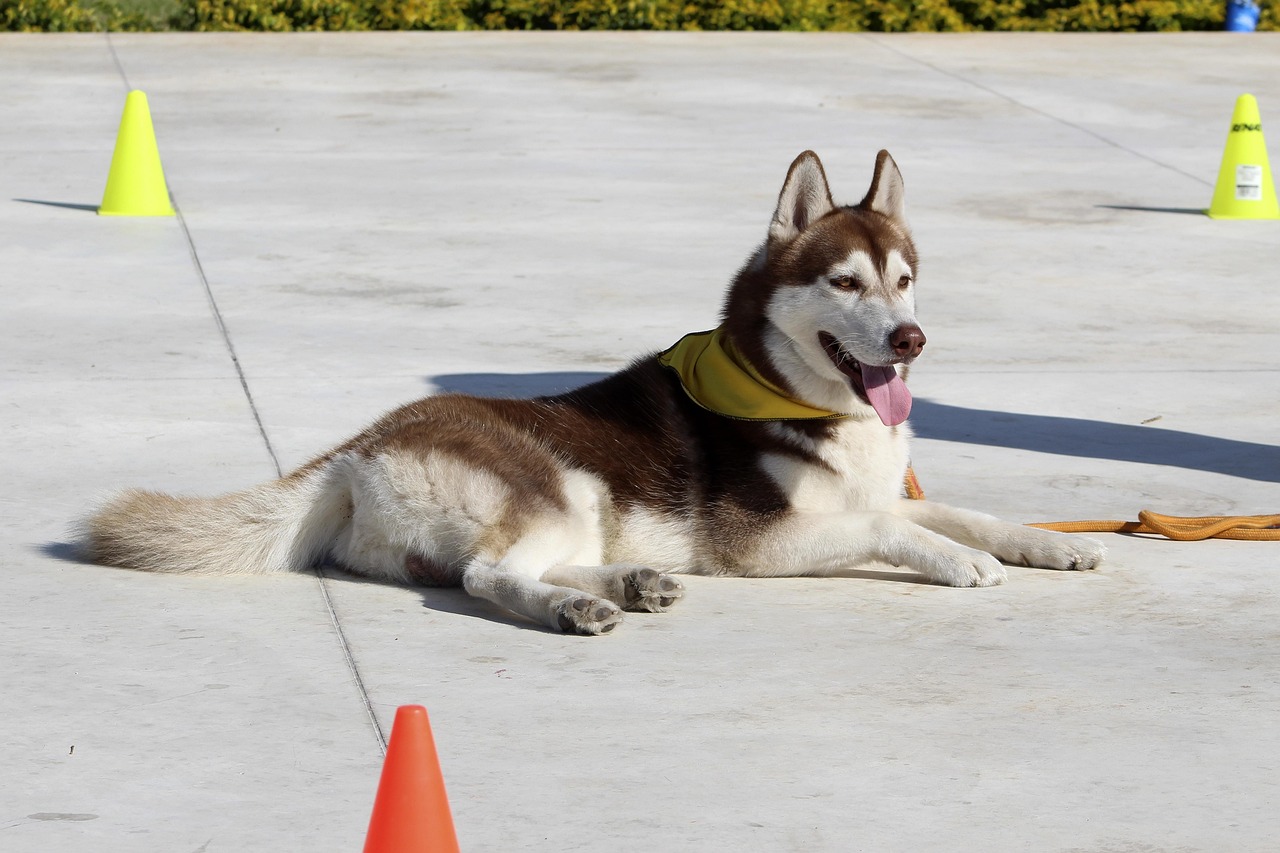

Training Tools That Help Build Confidence in Dogs
Fearful dogs often struggle to adapt to their surroundings and may need special training tools to build confidence. One effective tool is the use of positive reinforcement techniques. By rewarding desired behaviors with treats, praise, or toys, you help dogs associate their actions with positive outcomes. This encourages them and gradually helps reduce their fear. Training aids such as clickers can also be integral in this process, allowing for clear communication between the trainer and dog. Consistency is crucial when training fearful dogs; every session should follow a structured routine, reinforcing the learning experience. Moreover, a safe and calm environment is essential. Select a space free from distractions so the dog feels secure enough to explore at their own pace. You can further empower your dog by employing special gear or accessories designed for sensitive dogs. For example, a snug fitting anxiety wrap can provide comfort during times of stress. Similarly, calming pheromone products can help soothe anxious pets, promoting relaxation during the training process. Remember, patience is vital when working with fearful dogs, as progress might take time but is achievable.
Another essential tool in training fearful dogs is the use of interactive toys. These toys encourage mental stimulation and distract from anxious thoughts. Puzzle toys, in particular, demand focus and problem-solving skills. As dogs engage with these toys, they gain confidence in their abilities. Over time, this boosts their self-esteem and reduces fearful behaviors. To further support this training, you may consider utilizing scent work. Engaging a dog’s nose can introduce a new exciting dimension to their training. Simple scent games can encourage exploration, gradually helping dogs to overcome their fears while engaging their natural instincts. Regular outdoor exposure is also crucial. Gradual desensitization to various environments can be conducted through daily walks. These walks should be enjoyable and paced according to the dog’s comfort level. Lastly, enrolling in group training classes might prove beneficial. Such classes provide socialization opportunities in a structured environment, allowing your dog to learn from other dogs while under supervision. The combination of these various tools will help foster confidence in fearful dogs, establishing a more engaged relationship between dog and owner.
Importance of Desensitization
Desensitization is a vital aspect of training fearful dogs. It involves gradually introducing them to the objects or situations they fear in a controlled manner. The aim is to lessen the emotional response to these triggers, ultimately helping the dog feel more at ease. The process begins with identifying the specific fears experienced by your dog, be it loud noises, strangers, or unfamiliar environments. Once pinpointed, slowly expose the dog to the identified fear in a way that maintains a comfortable distance. This could be as simple as allowing a fearful dog to observe a trigger, like a vacuum cleaner or a person at their own pace. The key is to repeat this exposure until the dog’s anxiety diminishes. A helpful tactic during desensitization is pairing the exposure with positive reinforcement techniques, which includes offering treats or praises for calm behavior. This association helps resignify the fear-triggering stimulus as something less alarming. Additionally, keeping training sessions short but consistent is essential for reinforcing positive learning, making gradual strides toward eradicating anxiety.
Another critical component of helping dogs build confidence is the implementation of structured routines. Consistent schedules provide dogs with a sense of security, knowing what to expect each day. Incorporating training sessions into their routines helps transition to a more predictable lifestyle. This stable environment offers a calming effect, enabling dogs to focus better during learning opportunities. Implementing short, frequent training sessions is key; the sessions should be fun but straightforward to avoid overwhelming the dog. Strategies like teaching basic commands or trick training build trust between the dog and the owner while pushing boundaries progressively. Moreover, praising even the smallest accomplishments affirms their growth and progress. Additionally, including a socialization aspect in the routine can enrich the dog’s experience. Engaging with other dogs and animals, or even visiting new environments, can help normalize their surroundings. The goal here is to shift their focus from fear to curiosity. Through gradual exposure and consistent routines, dogs can gain confidence and develop a positive mindset towards their world.
Utilizing Technology
In today’s technologically advanced world, various tools can support training for fearful dogs. Smartphone applications designed for dog training offer resources that aid in the process. These applications typically feature video tutorials demonstrating techniques such as positive reinforcement training, desensitization, and proper leash handling. By utilizing these online resources, owners can learn effective methods and adapt them to their dog’s specific needs. Additionally, implementing tracking devices helps monitor the dog’s behavior during outdoor excursions. This data can contribute valuable insights into their triggers and how they interact with their environment. Another exciting technology is virtual reality, where owners can use VR to simulate different environments and monitor reactions. This offers a safe platform for desensitization. Moreover, using sound therapy devices can expose dogs to soothing music and nature sounds. These sounds have shown to calm anxious dogs during stressful moments. The integration of technology not only supplements traditional methods but also introduces innovation into dog training strategies. This versatility can ensure a tailored training approach, catering to a fearful dog’s unique needs.
Furthermore, building confidence in fearful dogs also relies heavily on the consistent practice of patience and empathy. Understanding that fears and anxieties do not disappear overnight is crucial for owners. Every dog learns at their own pace, and this journey requires time and commitment from the owner. Creating an emotional bond through compassion is vital. Spend quality time with your fearful dog outside of training sessions, engaging in relaxed activities like play and gentle walks. These interactions foster trust and gradually encourage a positive bond. Additionally, challenging your dog to face their fears through controlled and fun games can also boost their confidence. Everyday events can turn into training opportunities by gradually increasing difficulty levels in a fun way, reminding dogs that they can control their experiences. Also, using calming devices such as anxiety wraps can alleviate fear during critical sessions. Collaborating with a professional trainer or behaviorist, especially for persistent issues, may prove beneficial. With a tailored approach, empowering-sensitive dogs can lead to a confident, secure companion in their daily life.
Conclusion
In conclusion, equipping fearful dogs with the right training tools is essential for building their confidence. The focus should be on positive reinforcement, structured routines, and gradual exposure to feared elements, which are crucial in the training process. Utilizing technology can provide innovative resources that enhance the owner’s effectiveness in training. Ensuring a safe and nurturing environment gives dogs the space they need to thrive. Importantly, remember that every dog is unique and may respond differently to various techniques. By accommodating individual needs and preferences, owners can create personalized training plans that usher their fearful pets toward a more confident and social existence. It is also fundamental to involve professional trainers when necessary, ensuring that the dog receives appropriate guidance aligned with their needs. Over time, with dedication, empathy, and patience, fearful dogs can transform into happy, confident companions. Celebrate each positive little victory along the way, and make sure to maintain a fun atmosphere which will ease their journey. This unwavering commitment can ultimately help fearful dogs cultivate resilience and confidence as they navigate through life.
As we move forward, integrating a holistic approach that combines these methodologies will lead to success in building confidence. Owners must keep an open mind while seeking new learning experiences for themselves and their dogs.