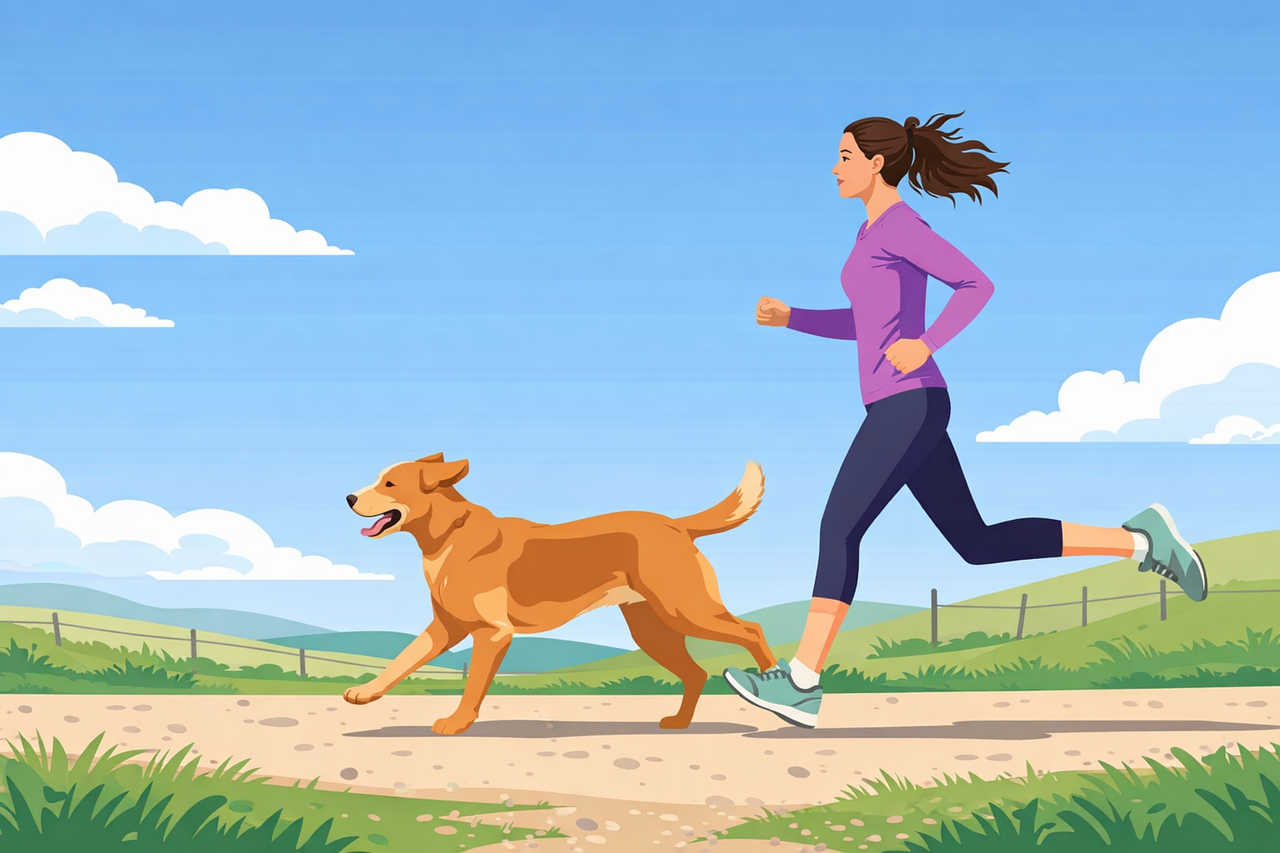

Canine Fitness: Preventing Injuries in Active Dogs
Engaging in canine fitness programs is essential for maintaining the well-being of active dogs. Just like human athletes, dogs can suffer from injuries due to overexertion or inadequate training. To keep your canine companion safe, it is crucial to implement a structured fitness routine tailored to their needs. A balanced program includes aerobic exercises, strength training, and flexibility work. Each component plays an important role in injury prevention, allowing dogs to perform optimally while minimizing the risk of strains and sprains. Additionally, it is essential to monitor their progress, adjusting activities to match their growing abilities. Regular check-ups with a veterinarian are vital for identifying any underlying issues before they escalate. A healthy approach to fitness that includes a variety of exercises will help maintain your dog’s physical condition. If you are unsure where to start, consider consulting a certified canine fitness trainer who can assist in creating a tailored program. Investing time and effort into your dog’s fitness is well worth it, as it enhances their overall quality of life while reducing the risk of injuries.
Understanding Common Canine Injuries
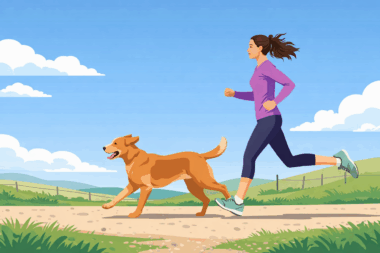
Common injuries in active dogs include ligament tears, muscle strains, and joint problems. Overuse injuries frequently develop from intense exercise without proper conditioning. To prevent these issues, gradually increase the intensity and duration of workouts, allowing your dog’s body to adapt. For example, if you are introducing your dog to running, start with short distances and slowly build up. Pay attention to warning signs such as limping or reluctance to play, as these might indicate an injury. A well-rounded conditioning program includes building muscle strength, core stability, and joint flexibility. Strong muscles support joints and prevent injuries. Ensure your dog engages in various activities, such as swimming, running, and playing tug, to keep them interested and physically challenged. Proper warm-ups and cool-downs are equally important in preventing injuries. Additionally, consider incorporating massage therapy and physical rehabilitation exercises for recovery. Keeping your dog mentally engaged through training and obedience can also contribute positively to their physical health. Never hesitate to seek professional help if you notice persistent problems, as early intervention can prevent more serious complications.
Hydration plays a critical role in any fitness program for dogs. Just like athletes, dogs need to stay hydrated to perform their best. Dehydration can result in decreased energy levels and impaired performance. When exercising, ensure your dog has easy access to fresh water. If engaging in prolonged activities, such as hiking or running, offer water breaks every 15-20 minutes to replenish lost fluids. During hot weather, dogs are particularly susceptible to heat exhaustion; therefore, plan workouts during cooler parts of the day. It is also essential to watch for signs of overheating, such as excessive panting or lethargy. Providing shade during outdoor activities offers relief from the sun. Selecting a well-fitted harness can enhance comfort and help distribute weight evenly. A harness is particularly useful for certain activities, such as biking or hiking, where increased control is required. Be aware of trail surfaces, as hard or uneven terrain can put excessive strain on your dog’s paws and joints. With careful planning and an appropriate approach to hydration, any active dog can maintain their fitness effectively while preventing injuries.
Nutrition and Recovery
A proper diet is vital for active dogs engaged in fitness programs. A high-quality, well-balanced diet can provide the energy needed for play and exercise. Look for dog food with high-quality proteins, healthy fats, and sufficient carbohydrates tailored for their activity level. Consider supplementing their diet with omega-3 fatty acids, which can help reduce inflammation and promote joint health. Post-exercise recovery is just as important as pre-exercise nutrition. Allowing time for rest and recovery lets muscles repair, enabling your dog to perform better in subsequent workouts. Monitor your dog’s weight regularly to ensure they maintain a healthy status. Obesity can lead to serious health problems and reduce their ability and agility. Additionally, consider offering joint supplements to support your dog’s mobility in older age. Always consult with your veterinarian before making any significant dietary changes or adding supplements. Regular exercise combined with proper nutrition will keep your dog fit and healthy. Enjoy the journey together as your dog not only strengthens their body but also forms a bond with you, creating lasting memories.
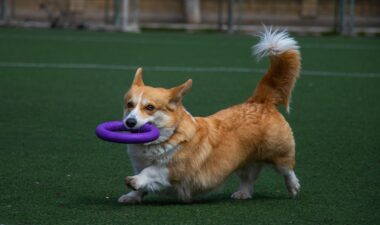
Engaging your dog in various activities prevents boredom and improves their overall fitness. Mixing it up keeps them motivated to participate in their fitness program. Activities such as agility training, flyball, or even teaching new commands can stimulate both their minds and bodies. Additionally, consider taking your dog to training classes that focus on specific skills or sports. These classes provide a structured environment where your dog can learn alongside other dogs, promoting socialization and teamwork. When selecting activities, assess your dog’s physical abilities and preferences. Some dogs thrive on high-energy activities, while others may prefer more leisurely walks. Providing positive reinforcement during training sessions solidifies learning and enhances your bond with your dog. Regularly evaluate their progress to ensure they are enjoying the activities and remaining injury-free. If your dog appears to lose interest, try introducing new toys or changing routes for walks. In addition to physical activities, consider mental stimulation, such as interactive toys or scent work. Addressing both physical and mental needs ensures a balanced program that contributes positively to their overall fitness and health.
Professional Guidance and Support
Enlisting professional help can significantly enhance your canine fitness journey. Many trainers specialize in canine conditioning and can help develop a program tailored to your dog’s specific needs. They can offer guidance on proper techniques to execute exercises safely and effectively. Choosing a certified trainer ensures that your dog receives expert advice and reduces the risk of injury. Group classes also provide an opportunity for socialization with other dogs and owners, creating a supportive environment. In addition to trainers, canine rehabilitation specialists can assist with recovery from injuries. If your dog has previously sustained injuries, seek professional advice to design a safe and effective fitness program. Many trainers and specialists offer workshops or seminars that focus on various aspects of canine fitness and health. These educational opportunities can help deepen your understanding of canine fitness principles. Remember that open communication with trainers, veterinarians, and fitness professionals is crucial in establishing a successful fitness regimen. Keeping accurate records of your dog’s progress and maintaining a regular check-up routine will support their fitness journey and ensure a long, happy, and healthy life.
Creating a safe and effective canine fitness program is essential for preventing injuries in active dogs. Each component, from nutrition to professional guidance, plays a vital role. Be mindful of individual dog needs, selecting activities that suit their physical condition. Good fitness programs enhance endurance and strength while reducing anxiety and boredom. Regular exercise also strengthens your bond with your dog, offering a wonderful opportunity to spend quality time together. Always prioritize their well-being, adjusting the program as necessary. Learning about canine anatomy and fitness can deepen your understanding and improve your ability to care for your dog’s health. By establishing a routine that encompasses a variety of activities, you not only promote physical fitness but mental stimulation as well. In conclusion, balancing exercise, nutrition, hydration, and rest is crucial to achieving an injury-free experience for your active dog. The joy and fulfillment you attain from participating in your dog’s fitness journey transcend the physical benefits. To develop a fulfilling routine, take the time to explore new activities and challenges, as this will keep both you and your dog engaged for years to come.
Creating a safe and effective canine fitness program is essential for preventing injuries in active dogs. Each component, from nutrition to professional guidance, plays a vital role. Be mindful of individual dog needs, selecting activities that suit their physical condition. Good fitness programs enhance endurance and strength while reducing anxiety and boredom. Regular exercise also strengthens your bond with your dog, offering a wonderful opportunity to spend quality time together. Always prioritize their well-being, adjusting the program as necessary. Learning about canine anatomy and fitness can deepen your understanding and improve your ability to care for your dog’s health. By establishing a routine that encompasses a variety of activities, you not only promote physical fitness but mental stimulation as well. In conclusion, balancing exercise, nutrition, hydration, and rest is crucial to achieving an injury-free experience for your active dog. The joy and fulfillment you attain from participating in your dog’s fitness journey transcend the physical benefits. To develop a fulfilling routine, take the time to explore new activities and challenges, as this will keep both you and your dog engaged for years to come.