
Understanding Zinc Absorption in Cats’ Digestive Systems
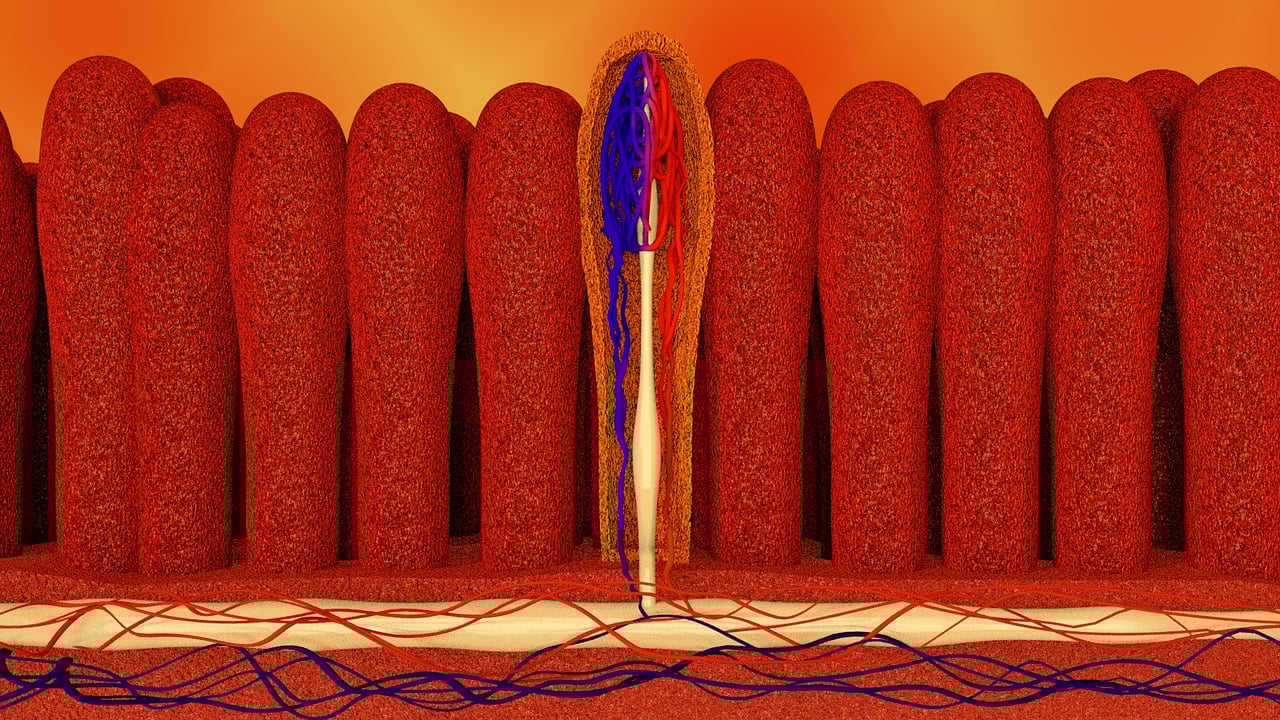
Zinc is an essential trace mineral that plays a crucial role in a cat’s health. It contributes significantly to immune function, wound healing, and enzymatic reactions. However, the absorption of zinc in the digestive system is influenced by many factors. If a cat’s diet lacks zinc or contains excess calcium or phytates, absorption may be compromised. Cats primarily absorb zinc in the intestines, specifically in the duodenum and jejunum, where the pH level is optimal for absorption. This mineral is found in many animal-based products, such as meat and fish, making them ideal food sources. Interestingly, some plants may interfere with zinc absorption due to high levels of fiber and certain compounds. As such, understanding how different diets affect zinc bioavailability is crucial for cat owners. They need to ensure that their feline friends get adequate zinc for optimal functioning. Moreover, regular vet check-ups can help identify potential deficiencies that may affect a cat’s health. By ensuring a balanced diet, pet owners can minimize absorption issues and maintain their cat’s well-being.
Zinc deficiency in cats can lead to various health issues, such as skin lesions, hair loss, and immune problems. Deficiency might occur if the cat’s diet lacks sufficient zinc or contains high levels of competing minerals. Additionally, certain medical conditions such as gastrointestinal diseases can further impair zinc absorption. Symptoms of zinc deficiency may include poor coat condition and reduced healing speed of wounds. Additionally, some kittens, especially those with poor diets, are more prone to such deficiencies. The recommendation is to incorporate zinc-rich foods and consult a veterinarian if deficiencies are suspected. On the other hand, excessive zinc intake can lead to toxicity, manifesting as gastrointestinal disturbances or lethargy. Monitoring the zinc levels in your cat’s diet is vital for maintaining health. Both deficiency and excess must be carefully managed. A balanced diet with appropriate zinc levels will support optimal immune function. Regularly upgrading pet food to those formulated with adequate trace minerals can be a wise choice. Thus, being proactive about your cat’s diet is essential for both short and long-term health outcomes.
Factors Influencing Zinc Absorption
A variety of factors can affect zinc absorption in cats, including age, diet composition, and overall health status. For instance, younger cats and kittens generally have better absorption rates than older cats. This varies due to the physiological differences in their digestive systems. Moreover, the presence of other minerals and dietary components can either inhibit or enhance zinc absorption. An excess of calcium can be particularly problematic, as it competes with zinc for absorption sites in the intestines. Likewise, phytates and fiber in plant-based diets can bind with zinc, making it less bioavailable. It is important to be aware of these interactions when choosing a diet for a feline. Additionally, the health of the digestive system plays a significant role. Diseases affecting the gastrointestinal tract, such as inflammatory bowel disease, can hinder proper absorption of many nutrients, including zinc. Choosing high-quality, animal-based foods can help mitigate absorption issues. Always consider consulting your vet when making dietary decisions, especially if health problems arise.
To ensure optimal zinc absorption, feeding high-quality, protein-rich diets is beneficial. Animal proteins are naturally rich in zinc and other essential amino acids vital for your cat’s overall health. Tuna, chicken, and beef are great options. Additionally, incorporating supplements designed specifically for cats can help balance the mineral levels. Before introducing any supplements, consult your veterinarian about appropriate dosages. A reputable brand that adheres to quality standards is crucial when selecting supplements. It is also wise to include variety in your cat’s diet, mixing different protein sources to provide a rich nutrient profile. Aside from meat, some pet owners consider using zinc supplements made from organic or natural sources, ensuring they are safe and effective. Monitoring your cat’s response to dietary changes is essential; observe for improvements or any gastrointestinal disturbances. Maintaining regular vet visits will help track your cat’s health changes during dietary modifications. Further, the use of zinc-rich treats can complement the primary diet while providing enrichment. This comprehensive approach to diet and supplements can significantly enhance your cat’s nutrient intake.
Signs of Zinc Deficiency
Cats suffering from zinc deficiency may exhibit various symptoms that can be easy to overlook. Initial signs often include dermatitis or lesions, primarily around sensitive areas such as the face. Hair loss or thinning may also occur, particularly along the sides, which may result in an unkempt appearance. Other signs can include lethargy, growth retardation in kittens, and an impaired immune response, making them more susceptible to infections. Additionally, cats may experience changes in taste or appetite, which can be misleading. Behavioral changes like increased irritability or reluctance to play may also be evident. Affected cats might also show signs of digestive issues, reflecting imbalances within their internal systems. If you notice any of these symptoms, immediately consult your veterinarian for evaluation. Diagnosis typically involves a thorough physical examination and possibly blood tests to measure zinc levels. Depending on the severity, adjustments to diet or the introduction of zinc supplements may be recommended. Monitoring and intervention are crucial for effective management, fostering a healthier life and better prognosis for your feline friend.
Ensuring a balanced intake of minerals is crucial, and pet owners should educate themselves about the role of zinc. Regular awareness of dietary zinc sources and the impact on overall health will empower pet owners to make informed choices. Review ingredient labels and consider engaging with reputable brands known for their commitment to pet nutrition. Consulting with your vet about the right diet plan and the need for supplementation is vital. It is advisable to provide a diet rich in animal protein to promote optimal absorption, as these also bolster zinc availability. Various formulas are designed specifically for cats with respiratory or skin issues that incorporate balanced minerals, including zinc. These specially formulated diets can provide targeted support for specific health concerns. Observe how your cat reacts to dietary changes; their overall health is often a reflection of their nutrition. Should any issue arise after a diet change, reverting to the original diet while seeking veterinary advice may be prudent. Overall, knowledge about zinc and its importance should promote proactive health measures in pet care.
Conclusion
In conclusion, understanding zinc absorption in cats is fundamental for ensuring overall health and well-being. The impact of diet on zinc bioavailability cannot be understated, as it directly correlates with various physiological functions that ensure a cat’s vitality. Owners should actively monitor their cat’s zinc levels and be attentive to any potential deficiencies or excesses. High-quality animal-based diets should form the foundation of a cat’s nutrition, and supplementation should be used judiciously, aiming to prevent deficiencies while avoiding toxicity. Digestive health plays a significant role, and maintaining a healthy gastrointestinal tract is essential for proper nutrient absorption. Ultimately, a comprehensive understanding of zinc absorption will lead to better health outcomes for your feline companions. Always prioritize regular veterinary consultations to stay informed about your cat’s specific needs. By being proactive and informed about your cat’s nutrition, you can ensure they lead a long and healthy life filled with energy. Therefore, take the time to educate yourself and implement practices that support zinc absorption, enhancing your beloved pet’s health in the process.
Furthermore, pet owners must recognize that a single nutrient alone isn’t sufficient; a holistic approach to nutrition is necessary. This entails considering all vitamins, minerals, and overall dietary balance when aiming for optimal health. Zinc works in synergy with other nutrients such as copper and vitamins A and C. Adequate intake of these nutrients should be part of a cat’s dietary regimen. Keep in mind that each cat is unique and may have differing nutritional requirements based on breed, age, and health status. Therefore, it’s crucial to adapt their diets as they age or experience changes in health. Engaging with veterinary professionals who can offer personalized dietary recommendations ensures that the appropriate adjustments are made timely. Incorporating variety while ensuring quality will promote a well-rounded diet that caters to overall nutritional needs. By providing a supportive environment and nutritional strategy, pet owners contribute significantly to their cat’s longevity. Ultimately, understanding the intricate balance of nutrients and their role in health enables informed decisions leading to happier, healthier cats.