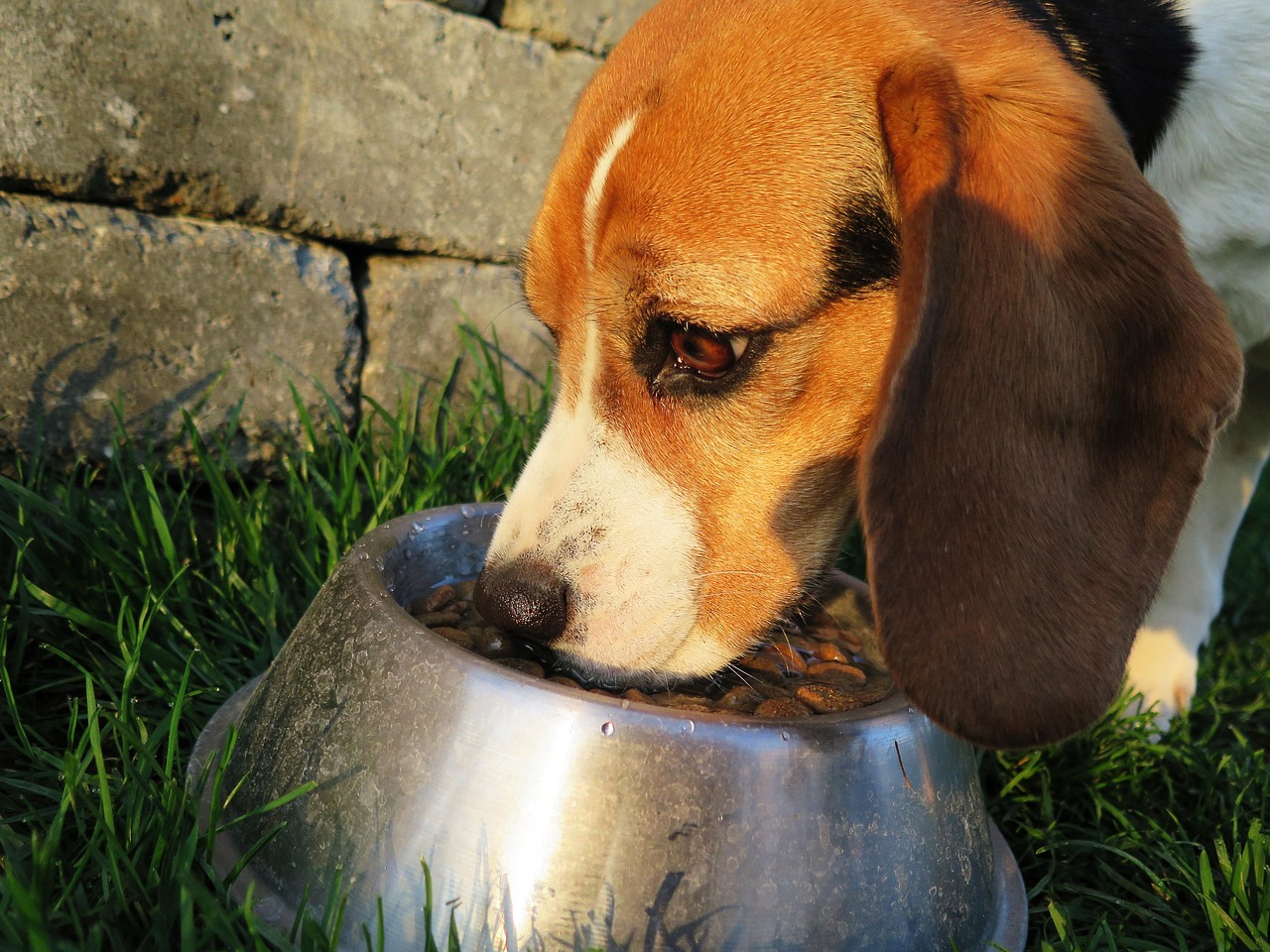

How Hunger and Food-Related Triggers Cause Dog Aggression
Understanding the dynamics of dog aggression is essential for pet owners. One significant trigger is hunger, which can manifest in behavioral issues. Dogs, like humans, can feel irritable and aggressive when they are hungry. When a dog is feeling starved or deprived, its instinct to protect its resources can emerge. This instinct is deeply rooted in their evolutionary past, wherein food scarcity was a genuine survival issue. As a result, a hungry dog may growl or show teeth when approached while eating, sensing potential threats. Recognizing this behavior is important, as it lays the foundation for managing and addressing aggression effectively. Additionally, understanding the environmental cues that can escalate this aggression is vital. For example, if a dog notices someone approaching its food bowl, its instinct may signal a threat. Counter-conditioning and positive reinforcement play significant roles in training dogs to overcome aggressive tendencies caused by hunger. By understanding the emotional connection dogs have with food, owners can foster better behavior through consistent training. Ensuring a dog feels safe and secure during meal times can minimize the risks of aggressive displays.
One common situation leading to increased aggression in dogs revolves around food theft. When a dog realizes that food might be taken from it, it may react defensively. This instinct stems from a natural drive to guard food, making them feel the need to assert themselves. Training plays a crucial role in addressing this aggressive behavior toward food. If a dog has been taught that food is shared and that they will not lose it, they may show less aggression. Effective strategies include teaching commands such as ‘leave it’ or ‘drop it.’ When a dog learns these commands, the connection to aggression can weaken significantly. Consistently enforcing these commands can relieve tension during feeding. Additionally, the environment in which meals are served can influence their behavior. For example, dogs that are fed in high-stress environments may exhibit more aggression. Thus, created quiet spaces for mealtimes can alleviate pressure. Recognizing the triggers that lead to food-related aggression can pave the way for happier, healthier interactions. Offering treats and rewards for calm behavior during meals further reinforces positive reactions in these potential flashpoints.
Understanding Pack Dynamics and Resource Guarding
Resource guarding is another expression of food-related aggression in dogs. In home environments, where multiple pets exist, competition can lead to fighting over resources, especially during meal times. Dogs are social animals that form packs, and within those packs, resource sharing is vital to harmony. However, when a dog perceives a threat to its food sources, it may aggressively defend its position. This guarding behavior often emerges in anxious or insecure dogs, who fear losing out on essential resources. Understanding that a dog’s protective instincts can lead to aggression is essential for owners. To mitigate this behavior, feeding dogs in separate spaces can greatly reduce competition and aggression. Additionally, implementing desensitization exercises can help dogs feel more at ease around food. Using positive reinforcement techniques can gradually allow dogs to associate others’ presence with positive outcomes rather than a threat. For training, owners may use treats to reward dogs for calm behavior, fostering trust over time. By addressing resource guarding, owners can create a more peaceful environment for their dogs, allowing them to coexist harmoniously without territorial disputes.
Food-related aggression is not limited to just resource guarding; it also stems from emotional responses associated with feeding. A dog’s past experiences can significantly affect how it reacts in certain situations. For example, a dog that experiences hunger frequently may become anxious or aggressive around others at meal times. This behavior can be exacerbated in shelters or previously abused dogs. Recognizing these underlying emotions is crucial for enhancing a dog’s comfort level with food. Creating a structured feeding routine helps alleviate anxiety and offers predictability. Consistent feeding times reduce feelings of uncertainty, allowing for calmer behaviors. Additionally, providing an appealing feeding area helps foster a positive emotional connection with meal times. Using interactive feeders or toys can divert focus from potential threats, offering stimulation while keeping enjoyment in feeding. Furthermore, socialization with other dogs can help reduce protective instincts over resources. By promoting positive experiences around food and interaction, aggressive tendencies can decrease, making mealtime a more pleasant experience for both dogs and owners. Ultimately, enhancing emotional well-being will lead to more stable behaviors concerning hunger and aggression.
The Importance of Consistent Training Practices
Consistent training practices play a vital role in managing dog aggression related to hunger. Clear communication between the dog and its owner fosters trust and security. Training should involve both dog and owner, ensuring that everyone involved can recognize triggers and respond appropriately. A well-trained dog is less likely to exhibit aggressive behavior during stressful situations, providing peace of mind for pet owners. Establishing clear commands, rewards, and routines helps dogs understand expected behaviors concerning food. Regular training sessions also reinforce positive associations with shared spaces during meals. Rehearsing commands such as sit or wait while feeding helps control impulses. Additionally, involving family members in training ensures everyone is aligned in their approach to managing food aggression. Consistency across all handlers reduces confusion and ambiguity, creating security for the dog. Moreover, recognizing individual triggers is essential; each dog has a unique personality. Observing their cues allows for tailored interventions. Overall, investing time in developing training and behavior management plans directly impacts aggression related to hunger. Consequently, cooperative efforts between owners and dogs work wonders in keeping aggression at bay.
Owners must be mindful of how their behavior influences dog aggression linked to food. For instance, acting hastily or demonstrating frustration at mealtimes may signal to dogs that something is wrong. This, in turn, can lead to increased anxiety and defensive reactions, heightening aggression. Therefore, focusing on calmness and patience during meals is paramount for fostering a safe environment. Owners should adopt a relaxed demeanor, slowly approaching the dog’s food area while maintaining an open posture. Additionally, employing positive reinforcement for good behavior can greatly encourage confidence. Owners should train themselves to recognize their own emotional reactions and their impact on their dogs. Being aware of their approach during feeding times allows owners to reduce chances of negative associations. Furthermore, regular preventive measures mitigate potential aggression during mealtime. This might include feeding techniques, environmental adjustments, and learning about dogs’ cues. Creating a positive connection to food promotes healthy attitudes toward mealtimes. Ultimately, understanding the complex interaction between human and dog behaviors shapes the approach to reducing aggression. Diligent attention will help create happier eating experiences and foster better relationships.
Final Thoughts on Hunger-Induced Aggression
In summary, recognizing and addressing hunger-related aggression in dogs involves understanding their emotional needs and instincts. The connection between food, anxiety, and aggressive behavior highlights the importance of proper feeding practices and training strategies. Ensuring consistent routines, providing ample resources, and managing environmental triggers all contribute to a calm atmosphere during meals. Moreover, working on socialization and training helps dogs learn to feel secure and less threatened. As a pet owner, being observant and understanding behavioral cues lays the groundwork for effective interventions. It promotes a harmonious living environment for both owners and dogs. Lastly, enhancing the emotional well-being of dogs through patient training yields fantastic results. By minimizing hunger-related triggers, owners can foster positive behavioral patterns and improve their pets’ quality of life. This holistic approach emphasizes the significance of empathy and patience in pet care. Consequently, implementing these strategies not only enriches the dog-owner relationship but also contributes to overall canine happiness. With dedication, dog owners can create a nurturing environment that reduces aggression and fosters trust during meals, resulting in more enjoyable moments with their furry friends.
It is essential for all dog owners to consider the role of hunger in aggression. Addressing this issue helps create not only a peaceful home environment but also ensures the safety of both dogs and their companions. By understanding food-related triggers, pet owners can implement effective solutions to manage these behaviors and ensure a more harmonious living experience. With dedication and appropriate training, it is possible to minimize aggression arising from hunger. Observing and clarifying various indicators of aggression will contribute to a deeper understanding of a dog’s behavior. Lastly, always remember that each dog is unique, and tailoring approaches according to specific needs will yield the best results. With knowledge and consistent interaction with their furry friends, dog owners can confidently navigate the complexities of aggression stemming from hunger and food-related issues.