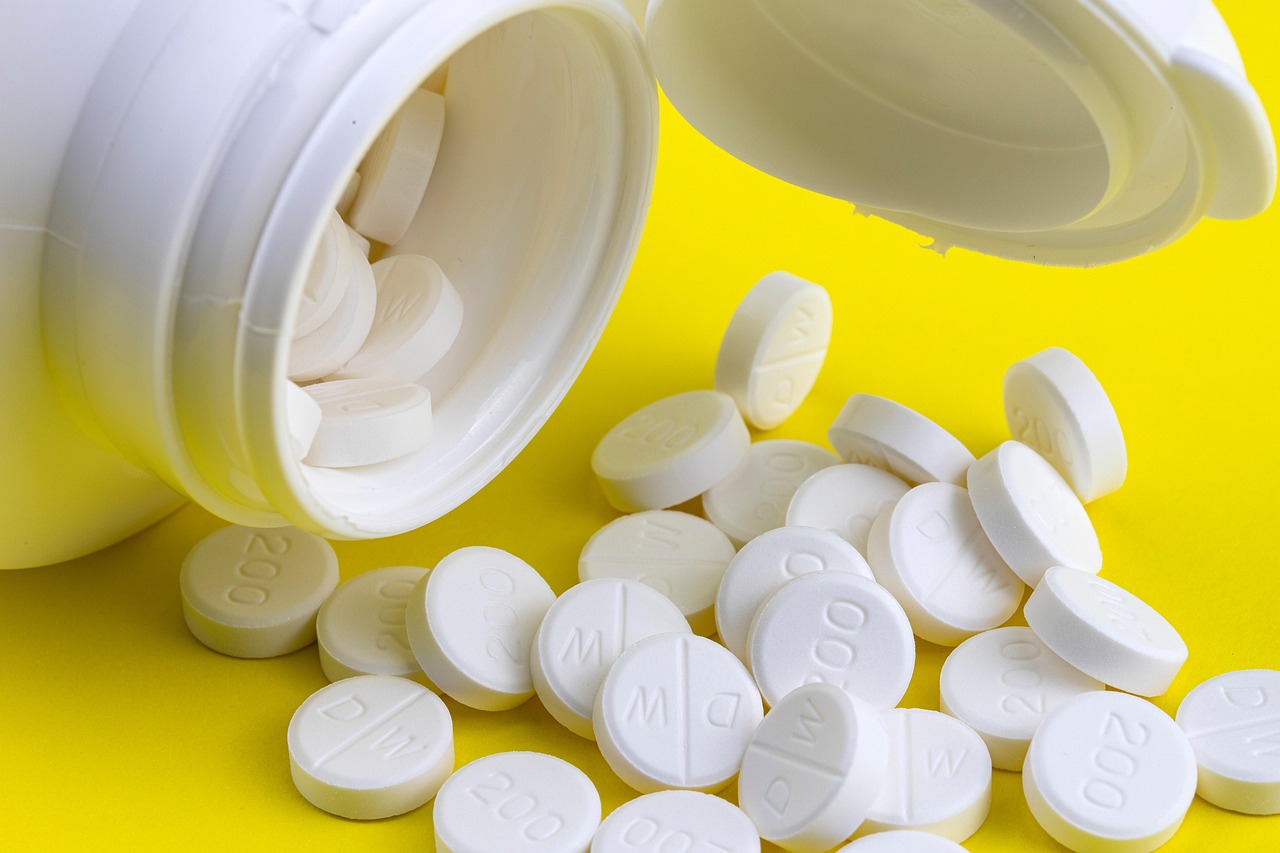

The Growing Importance of Antioxidants in Cat Supplements
As cat owners increasingly seek ways to improve their pets’ health, the demand for nutritional supplements is on the rise. One of the key trends shaping the landscape of cat nutrition is the growing focus on antioxidants. These essential compounds help combat oxidative stress in feline bodies, significantly enhancing their overall health. Antioxidants such as vitamins C and E, selenium, and various polyphenols play a vital role in protecting cells from damage caused by free radicals. As such, they contribute to the prevention of chronic diseases and support a healthy immune system. With the aging population of cats, the need for effective nutritional interventions becomes more pronounced, compelling many owners to turn to suitable supplement options. Moreover, the rising awareness of holistic pet care emphasizes the integration of antioxidants in daily diets. Many commercial cat foods now include these beneficial agents, but supplementation offers a concentrated and tailored approach to meet individual needs. This has opened new opportunities for manufacturers to create targeted products that cater specifically to these health concerns. Overall, the growing acceptance of antioxidant supplements is a promising trend within cat nutrition.
Research indicates that antioxidants can significantly enhance a cat’s quality of life. They not only help alleviate the effects of aging but can also prevent various health issues. Aging cats often suffer from conditions like arthritis, kidney disease, and heart problems, which antioxidants may help mitigate. Furthermore, antioxidants support cognitive health, a particularly important aspect as many pets grow older. Supplements targeting brain health often contain ingredients such as omega fatty acids and specific antioxidants known to promote mental clarity and enhance memory. Owners are increasingly seeing value in these specialized supplements, leading to a surge in their availability. Pet food manufacturers have begun to adopt this trend, enriching their products with potent antioxidants crucial for feline health. Additionally, holistic veterinarians often recommend antioxidant-rich diets to combat inflammation and bolster the immune system. The ongoing research includes exploring the unique needs of different breeds, ages, and lifestyles, which informs the types of supplements created for cats. As our understanding of feline nutrition grows, antioxidant supplements are likely to play an even larger role in cat health management.
Types of Antioxidants Beneficial for Cats
Antioxidants come in several forms, each offering unique benefits for feline health. Common examples include vitamins A, C, and E, which act as free radical scavengers. Vitamin E, in particular, is known for its role in maintaining healthy skin and coat. It also plays a crucial function in supporting the immune system, especially in senior cats. Vitamin C, though synthesized by cats in limited amounts, can be beneficial during times of stress or illness. Another important antioxidant is selenium, a trace mineral that supports thyroid function and aids in preventing cancer. Additionally, polyphenols from natural sources like berries, green tea, and grape seed extract serve as powerful anti-inflammatory agents. These compounds not only support overall health but also contribute to heart health and cancer prevention—critical areas of concern for aging cats. Pet owners who wish to provide the best care for their feline companions should consider these various antioxidants when selecting suitable supplements. Increasingly, products are being formulated to combine multiple antioxidant sources, enhancing their overall efficacy on cat health.
When considering antioxidant supplementation, it’s essential for cat owners to choose high-quality products backed by scientific research. With numerous options available on the market, distinguishing between credible supplements and those lacking evidence can be challenging. Transparency in sourcing and manufacturing processes should be key factors in decision-making. Choosing supplements from reputable brands that adhere to strict testing is crucial for ensuring effectiveness and safety. Additionally, reading customer reviews and seeking veterinarian recommendations can provide valuable insights into the efficacy of specific products. An essential aspect of supplementation is determining the appropriate dosage for your pet’s unique needs, which may vary based on age, weight, and health conditions. Veterinary guidance is often indispensable here. Regular check-ups can help monitor your cat’s health progress and adjust supplement intake accordingly. Responsible supplementation not only improves immediate health outcomes but may also contribute to longer, healthier lives. Owners must remember that supplements are meant to enhance, not replace, balanced nutrition provided by high-quality cat food. This holistic approach ensures that cats receive all essential nutrients for optimal health.
The Future of Cat Nutrition Supplements
The future of cat nutrition appears bright, with continuous advancements in supplement formulation and research supporting their efficacy. As pet owners grow more informed about feline health, manufacturers are prompted to innovate by creating new products tailored to specific health concerns. This includes enhancing the bioavailability of antioxidants, ensuring that they’re easily absorbed and utilized by feline physiology. Further research into plant-based antioxidants suggests a potential boom in supplement options derived from mushrooms, superfoods, and other natural sources, offering exciting benefits for cats. Emerging technologies also allow for improved testing and analysis, ensuring that supplements meet the rigorous demands of both health and safety standards. It’s anticipated that partnerships between veterinary professionals, pet nutritionists, and supplement manufacturers will deepen, leading to products based on clinical evidence. Personalized nutrition is likely to rise as a trend, enabling owners to select supplements that perfectly align with individual pet needs based on genetics and health history. Ultimately, the cat supplement industry is set for significant growth as awareness of holistic pet care continues to gain traction, ushering in a new era of comprehensive feline nutrition.
Education and awareness play critical roles in the successful adoption of antioxidant supplements by cat owners. As information spreads about the benefits of these enhancements, more pet parents are likely to consider implementing them. Workshops, webinars, and informational campaigns can help bridge knowledge gaps for cat owners who may be skeptical or uninformed about nutritional supplements. Pet stores and veterinary clinics, acting as knowledge hubs, can facilitate discussions on the advantages of antioxidants, demonstrating their role in preventing chronic diseases. Creating easy-to-understand informational materials—such as brochures or videos—can help owners make informed decisions regarding their pet’s health. Additionally, collaboration between educators, veterinarians, and pet bloggers can amplify these messages, reaching diverse audiences. Social media platforms are especially helpful for pet owners to share experiences and insights, fostering a community around cat health. This collective sharing of knowledge can encourage owners to prioritize their pets’ nutritional supplementation regimens. As awareness increases, we can expect to see a rise in demand for quality antioxidant products in the coming years, further promoting overall wellness in our feline companions.
Conclusion: Embracing Antioxidants in Cat Nutrition
In conclusion, the growing importance of antioxidants in cat nutrition showcases the evolving landscape of pet care towards a more comprehensive understanding of feline health. These essential compounds not only improve the quality of life for cats but also act as preventive measures against various health issues. As pet owners become increasingly aware, they are more likely to embrace the diverse array of antioxidant supplements available. The effectiveness of incorporating such supplements into daily routines is supported by growing scientific research, underscoring the importance of informed choices in pets’ dietary care. Emphasizing the role of antioxidants in managing senior cat health is critical, as aging pets often require specialized nutritional support. Moving forward, the cat supplement industry will thrive, driven by innovation, education, and collaboration among manufacturers and veterinary professionals. Ultimately, investing in antioxidant supplements can lead to healthier, happier feline companions, allowing pet owners to enjoy longer and more enriching relationships with their cats. The integration of antioxidants into their diets is indeed a promising step towards achieving optimal feline health.
This article has explored the significance of antioxidants in cat nutrition, effectively highlighting trends and the future direction.