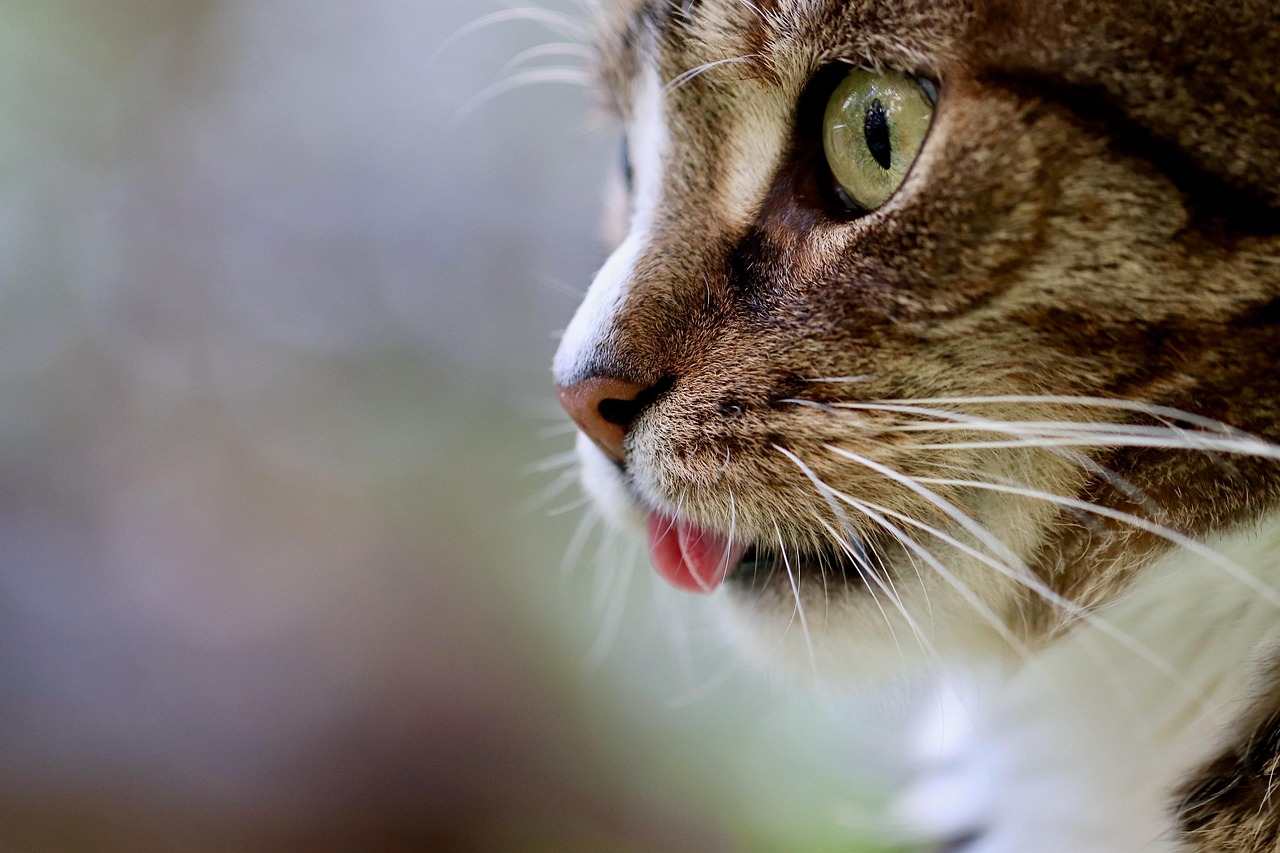

Creating a Safe Space for Your Anxious Cat
If you have noticed your feline companion displaying signs of separation anxiety, it’s vital to create a safe space for her. First, choose a quiet room in your home where she can retreat when feeling anxious. This room should have minimal distractions, providing a comforting environment. Use a calming cat bed or blanket to make her feel secure. You might also want to incorporate a few of her favorite toys to encourage her to play and feel more at ease. Additionally, consider placing a piece of your clothing near her resting area. This familiar scent can be incredibly soothing. To further enhance her safe space, include a scratching post and a cozy hiding spot, as these features help her feel more comfortable. Don’t forget to set up a designated area for food and water, ensuring she has easy access. An interactive feeder can provide mental stimulation and keep her occupied. Use pheromone diffusers or calming music to create a soothing ambiance. By creating this sanctuary, you’ll help alleviate her anxiety and enrich her overall well-being while you’re away, ensuring she has a place to retreat during stressful times.
Understanding your cat’s behavior is key to addressing her separation anxiety. Felines are creatures of habit, and any change in routine can trigger excessive stress. Therefore, try to maintain a consistent daily schedule. Set regular feeding, playtime, and cuddle sessions, so your cat knows when to expect your presence. Additionally, during your departure, desensitize her to your leaving by practicing short absences initially. Gradually increase the duration of your absences, allowing her to adjust to being alone. Keep her preoccupied with engaging toys, like puzzle feeders that stimulate her mental capabilities as you leave. You might also want to install a cozy perch near a window, giving her the chance to watch outdoor activities and feel less isolated. Over time, these strategies can significantly reduce her anxiety when you’re not around. When you return home, acknowledge her presence calmly without making a fuss; this helps prevent her from becoming overly excited or anxious. Cats thrive on understanding, and the more secure they feel in their environment and routine, the less they will struggle with feelings of anxiety and loneliness when you are away.
Environmental Enrichment for Cats
Enriching your cat’s environment can significantly alleviate anxiety and boredom. Consider providing a variety of stimulating toys that can occupy your cat’s time when you’re away. Rotate these toys regularly to keep her engaged and prevent her from losing interest. Treat-dispensing toys are particularly effective, as they encourage her to work for a reward. In addition to toys, explore opportunities for vertical space by incorporating cat trees, shelves, or wall perches that enable climbing and exploration. Cats inherently love to observe their surroundings from a height, which can bring comfort and security. Companionship from another pet can also be beneficial, though it depends on both pets’ personalities and ability to coexist peacefully. Social interaction with another animal may reduce her sense of loneliness. However, if introducing a companion is not an option, try spending quality time together during the evenings, engaging in play or gentle grooming sessions. Ensure that her safe space remains stocked with stimulating items to keep her mind active and happy, which helps balance any anxiety not only when you’re away but also during other potentially stressful situations.
While creating a safe haven is important, learning to identify signs of anxiety is crucial for providing effective support. Common symptoms include excessive meowing, inappropriate elimination, destructive behavior, and excessive grooming. Recognizing these signs will allow you to make adjustments, whether that involves more engaging toys, designated playtime, or ensuring her safe space remains inviting and secure. It’s also essential to avoid punishing your cat for anxious behaviors, as this can exacerbate the problem. Instead, positively reinforce desired behaviors, using treats or praise when she appears calm and collected. Another wise strategy is to provide little comforts, such as a cozy blanket or familiar items that offer reassurance. For particularly severe anxiety cases, consult your veterinarian for potential medical interventions, as they may recommend anti-anxiety medication or behavioral therapy. Every cat responds differently, so being attentive to her needs is essential in finding the best approach for her. The ultimate goal is to make her feel safe and secure in her environment, enabling her to thrive emotionally and physically, regardless of your presence during times of separation.
Using Calming Solutions
In addition to creating a safe space and enhancing enrichment, using calming solutions can help ease your cat’s anxiety. Many cat owners find success with natural remedies such as pheromone diffusers or sprays that imitate natural cat pheromones, promoting a sense of security. There are also several calming treats that contain ingredients like chamomile, valerian root, or L-tryptophan, which can help soothe anxious behavior. However, it’s essential to consult with a veterinarian before starting any new supplement or medication to ensure its safety and effectiveness for your cat. Sometimes, herbal products can also be beneficial, as they may provide a calming effect without causing adverse side effects. You can also introduce ambient noise, like soft music or white noise, to create a more comforting environment while you’re away. Finally, training your cat to respond to calming cues to relax at the onset of anxiety is a great method. Positive reinforcement through treats or rewards can be utilized during training sessions, gradually helping her to feel secure in her safe space, increasing her comfort level, and ensuring she has the tools to cope with separation anxiety better.
Being patient and proactive is vital when dealing with your cat’s separation anxiety. Each cat is unique, and it may take time to discover the right combination of strategies that work for you and your feline friend. Observe her reactions to different approaches, consult resources, and gather insights from fellow cat owners to enhance your understanding of your cat’s behavior. Facebook groups and online forums can be great places to share experiences and learn new techniques. If certain methods don’t yield the desired results, don’t hesitate to try different approaches. Remember to celebrate small victories, as every step forward is worth acknowledging. If necessary, consider consulting a professional animal behaviorist to address more severe cases of anxiety. Their expertise may provide you with tailored strategies that consider your cat’s individual needs. Overall, the goal is to build a secure, enriching environment where your cat feels safe and stress-free. With time, love, and perseverance, your cat can learn to manage her anxiety better, allowing both of you to enjoy a happier, more peaceful life together.
Conclusion
In addressing separation anxiety in cats, it’s clear that a multi-faceted approach is most effective. Starting with a safe space, enriching her environment, and consistently identifying signals of distress can foster comfort. Consider utilizing calming solutions while ensuring a structured routine to alleviate anxiety. With your help, she can learn to feel safe and secure even when you’re away. By implementing the strategies outlined in this article, you enable your cat to gradually build confidence and independence. Armed with patience and dedication, you’ll witness her transformation as she learns to embrace solitude. Remember, every positive step forward, whether it’s a small victory or a gradual change in behavior, is a significant achievement in your journey together. Lastly, your love and understanding are your cat’s greatest support, guiding her through anxious moments with the patience she needs. With solid efforts, you’ll successfully bridge the gap in her anxiety, ensuring both of you enjoy a fulfilling, mutually supportive relationship in your shared home. Ultimately, it is the little things that create a significant difference, making a world of comfort and confidence for your beloved feline every day of her life.
To summarize, your active involvement in dealing with your cat’s separation anxiety will always yield better results. Being attentive to her needs and making her safe space familiar and comforting will help ease the anxiety. Implementing a consistent routine, introducing enriching activities, and utilizing calming solutions will contribute to a more relaxed feline friend. Through dedication and love, you can significantly improve her emotional well-being, making both your lives more enjoyable and harmonious. Your cat will become happier and more secure in her environment, paving the way for a peaceful coexistence that benefits both of you in the after-effects of separation anxiety.