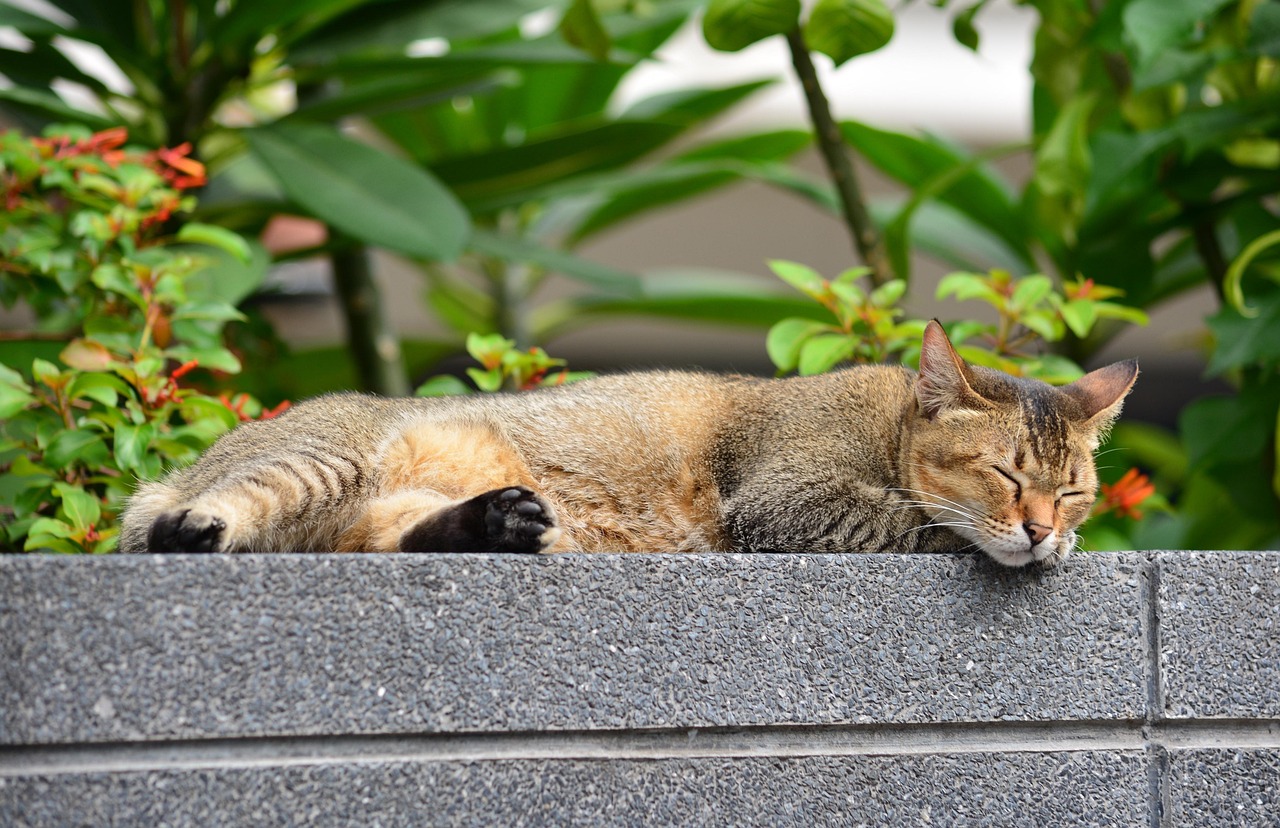

The Influence of Light and Noise on Senior Cat Sleep
Senior cats experience unique sleep patterns that can be significantly affected by environmental factors such as light and noise. Cats are crepuscular creatures, which means they are most active during dawn and dusk. This natural behavior influences their sleep patterns throughout the day. As they age, sleeping may take on new characteristics. Many senior cats sleep more, often napping during the day and being more active during the night. This shift can result from changes in their environment, health, or comfort level. It’s important to understand how light plays a role in their sleep cycle. Bright light during the daytime can signal activity, while dimmer settings promote restfulness. Similarly, noises—both internal and external—can disrupt a senior cat’s ability to relax and sleep soundly. For example, loud noises from household appliances or even other pets can be disturbing. Establishing a safe and quiet sleeping environment may enhance your senior cat’s sleep. Owners should consider dimming lights and minimizing disruptions during their sleep hours to promote a more restful state.
Understanding your senior cat’s sleeping environment is crucial for their overall well-being. Further, adding features like a cozy bed or a private space, helps create a haven where your cat feels secure. Making a designated sleeping area can encourage regular sleep patterns. Additionally, they may benefit from feline pheromone diffusers, which can reduce stress and promote relaxation. Keeping the noise level down and limiting disruptions during sleep times is also essential. Always consider the impact of household activities and other pets on your cat’s rest. Senior cats may have heightened sensitivity to sounds that previously didn’t bother them. Implementing calming measures, like soft music or white noise machines, can mask ambient sounds that might otherwise wake your feline friend. Pay attention to the type of light in your home too. Red and yellow hues are less disruptive to sleep than brighter white lights. Furthermore, providing a secure bed in a darkened space may encourage healthier sleep patterns. Keeping the area clean and comfortable will also have a positive effect. Regularly maintain your cat’s sleeping quarters to ensure they have an inviting and safe place to recharge.
The Role of Health in Sleep Quality
Health issues prevalent in senior cats may further complicate their sleep patterns. Conditions like arthritis, dental disease, or kidney problems can affect their comfort and, consequently, their desire to sleep soundly. Pain or discomfort can lead to insomnia or fragmented sleep periods, which can exacerbate irritability and confusion, particularly in aging cats. Monitoring your cat’s health through regular veterinary check-ups is vital. If you suspect pain is an issue, consult your veterinarian for an appropriate treatment plan. Addressing these underlying health concerns can vastly improve their quality of sleep. Moreover, mental health plays a role in sleep quality as well. Senior cats can experience changes in behavior due to cognitive decline. Keeping their mental stimulation steady through interactive toys can keep them engaged, but ensure this occurs during the day to not affect their nighttime rest. Always be gentle with your senior cat. Understand and accommodate their changing needs by being attuned to their health requirements. This will allow you to create a more supportive environment leading to improved sleep, thus enhancing their overall health and well-being.
The adjustment to a senior cat’s lifestyle can greatly impact their sleep patterns and overall well-being. These cats may take longer to acclimatize to changes in their environment. Familiarity can provide comfort, so when you introduce new furniture or other pets, take it slow. Keeping their sleeping area and routine consistent can help manage their sleep habits better. Cats appreciate routine, which can include feeding schedules and playtime. Try to establish these as a way to provide stability in your senior cat’s life. Light deprivation at night is just as important as promoting light during the day. Limiting stimulation and turning off harsh lights can signal to your cat that it’s time for bed. If your cat seems to be ignoring traditional night hours, it may require patience. Adjusting your cat’s rhythm to include play and rest at the appropriate times can help all household members adjust better. This includes you! Involve family members in understanding your cat’s needs. This fosters a supportive environment where everyone isn’t just focused on sleep quality — but also on enhancing your cat’s lifestyle overall.
Creating the Ideal Sleep Environment
Creating an ideal sleep environment for your senior cat encompasses several factors that cater to their specific needs. Start by selecting a quiet, darkened area within your home where they can feel secure and undisturbed. A comfortable bed made from soft materials can encourage deeper sleep. Cats also love warmth, so consider offering heated beds or blankets on chilly evenings. These consultations enhance relaxation and therefore improve sleep quality. Additionally, avoid placing sleeping areas near high-traffic zones that may frighten them when they wander. Ensure the space is free from any potential distractions or noises that could interrupt their rest cycle. Behavioral modifications may also play a role, such as encouraging daytime play sessions to help tire them out. Promoting these activities can help adjust sleep habits naturally. Always be gentle and observe changes. Remember, aging can slowly change sleeping habits, so what worked previously may not. Flexibility is key! Your patience is invaluable while finding combinations of light, noise reduction, and comfort that appeal to your senior cat. The goal should be to create a sanctuary that prioritizes rest and rejuvenation.
Introducing natural elements into your senior cat’s environment can further enhance their sleeping patterns. Consider the strategic placement of plants, which can absorb sound and filter light naturally. Bamboo or snake plants can also help in improving indoor air quality. However, be cautious and ensure all plants are safe for cats. Avoid toxic varieties that might pose a threat to their health, as cultural knowledge varies about which plants are indeed safe for them. Additionally, some herbs, like catnip, can lower anxiety. A little catnip could possibly be introduced to offer comfort. This could provide a dual boost: one for mental stimulation and the other for encouraging relaxation. Moreover, consider using soft textiles in their surroundings. Fleece or cashmere not only offers warmth but also adds an aesthetic value to the space. As cats age, they appreciate a snug, warm environment, promoting both comfort and sleep. Observe how your cat engages with enhanced sensory choices. The ideal sleeping environment for senior cats incorporates lighting, soft texture, environmental safety, and a cozy, relaxed atmosphere that supports restful and restorative sleep.
Conclusion
Ultimately, managing light and noise is crucial to maintaining your senior cat’s sleep quality and overall health. As their owners, it’s vital for us to recognize the significance of how environmental factors play a role in their daily lives. Senior cats are particularly sensitive to changes, so ensuring that their sleeping area remains consistent and calm is essential. This approach aids in fortifying their sleep cycle, leading to overall happiness and well-being. By facilitating a cozy sleeping atmosphere that considers their unique needs, we can guide them to enjoy healthier rest periods. Remember that healthy aging often translates to an enhanced quality of life, one nap at a time. Take the time to educate yourself on senior cat health and adjust accordingly; the impact can be significant. Your efforts can lead to a content feline companion who enjoys their golden years with dignity and relaxation. Continue remaining attentive to their needs as they progress; every little change can lead to remarkable improvements. Together, we can significantly impact our senior cat’s quality of life, setting them up for comfort throughout their remaining years.
By understanding the intricacies of light, noise, and lifestyle changes, your journey as a responsible cat owner can become even more fulfilling. Not only will this assist your cat in finding rest, but you’ll forge a deeper bond through attentive care. Create a routine that invites interaction and elevates their comfort during waking hours—this is equally important. Observing their body language, understanding their preferences, and adapting accordingly leads to a pleasing atmosphere. Achieving a good balance may take time, but this is essential for your beloved senior cat. Review your findings regularly, and don’t hesitate to modify potentially disruptive behaviors—at home or in their resting area. Every pet is unique, and their reactions will vary. Engage with them and create enriching experiences alongside their necessary quiet time. Secure and constructive routines for feeding and play will give them the peace they require while nurturing their natural instincts. Responding to the nuanced needs of your senior cat can make the aging process comfortable and enjoyable. This also ensures you have the ability to deliver a fulfilling life that resonates deeply with the love you have for them.