
Safe Stretching Practices for Active and Working Dogs
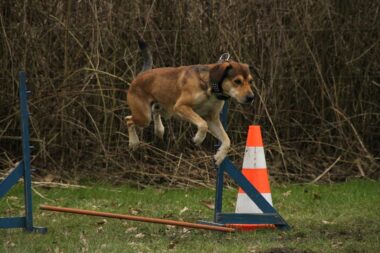
Stretching benefits dogs significantly by improving flexibility and reducing the risk of injury, especially for active dogs. Regular stretching helps maintain muscle elasticity, enabling dogs to perform various physical activities without strain. Stretching also encourages healthy blood circulation, ensuring that oxygen reaches vital tissues effectively. For working dogs, it is crucial to incorporate stretching into their routine to enhance performance and longevity in their careers. Moreover, stretching can alleviate muscle tension, contributing to better relaxation post-exercise. An effective stretching routine can be simple and enjoyable for both the dog and the owner. Begin with gentle static stretches focused on major muscle groups, progressively increasing intensity as your dog’s strength improves. Incorporating stretching can lead to better overall health and well-being for your furry companion. Owners should always observe their dogs for signs of discomfort or fatigue during stretching sessions. Stretching not only caters to physical health but can also become a bonding activity between you and your pup, fostering trust and companionship. Always consult your veterinarian to determine a safe stretching regimen suitable for your dog’s age, breed, and activity level.
Stretching techniques can vary based on your dog’s specific needs and abilities. Generally, a warm-up routine before stretching is advisable to ensure the muscles are prepared for more significant movements. This might include a short walk or gentle playtime to get the blood flowing. Remember to focus on various groups of muscles; for instance, incorporate stretches for the forelimbs, hind limbs, and back, as each plays a crucial part in your dog’s agility. You might use treats or toys as incentives during stretching to create a positive association with the exercise. Ensure that each stretch is held for at least 15 to 30 seconds, allowing the muscles enough time to adjust and elongate. Once your dog becomes accustomed to stretching, you can introduce more advanced stretches, involving greater ranges of motion. Always prioritize safety by ensuring your dog is comfortable and relaxed during the process. If your dog shows signs of pain or reluctance, consult with a veterinarian for tailored guidance. Ultimately, incorporating stretching into your dog’s exercise regimen can have profound long-term health effects, from improving mobility to enhancing their performance during activities and work.
The Importance of Warm-Up and Cool-Down
Including a warm-up and cool-down routine within your dog’s stretching practice is crucial for ensuring the benefits of flexibility and strength. A warm-up session prepares your dog physically by gradually increasing their heart rate and loosening up their muscles. This is particularly important for working dogs, who may engage in strenuous activities that require significant physical exertion. Consider engaging your dog in a low-intensity activity, such as walking or gentle play. This helps reduce the risk of strains or injuries caused by sudden movements. After your activity, a cool-down phase is equally essential. It helps prevent soreness and promotes the gradual return of your dog’s heart rate to its normal state. During the cool-down period, practice gentle stretches again while monitoring your dog’s comfort level. This portion of the routine is beneficial for relieving tension built up during exercise. Use this opportunity to check for any signs of discomfort or tightness as you stretch each limb. Keeping an open line of communication with your pet during this process enhances trust and strengthens your bond.
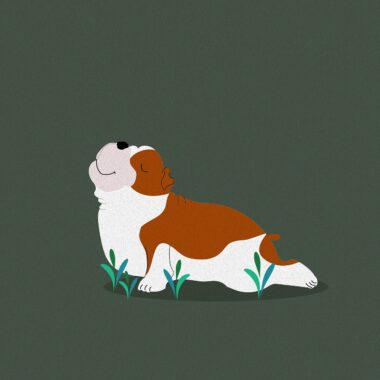
Many dog owners also worry about the best types of stretches to incorporate into their pets’ routines. Generally, the focus should be on controlled, gentle movements rather than extreme positions. Practical stretches include the forward bend, where your dog is gently guided to stretch their front legs forward while standing, or the sit and reach, asking them to sit and stretch out their front legs while reaching toward a treat. Incorporating basic stretches not only enhances physical health but also supports mental engagement as dogs enjoy opportunities for interaction. Always remember that each dog is unique and may have individual stretching preferences or limitations. It is vital to be observant and adjust your approach according to your dog’s specific needs. If your dog is older or has pre-existing conditions, consult with your veterinarian regarding stretching exercises that best suit them. Always prioritize comfort and avoid pushing beyond physical capabilities. You can create an enjoyable routine that enhances overall fitness and strengthens your bond by being mindful of your dog’s boundaries. Additionally, consistency is key to ensuring these stretches become a valuable part of their exercise routine.
Monitoring Your Dog’s Progress
Monitoring your dog’s progress in flexibility and comfort during stretching exercises is essential for gauging effectiveness and preventing injury. Keep a log of each stretching session, noting the types of stretches performed, the duration of each hold, and any behavioral changes observed in your dog. These notes can be beneficial for evaluating progress over time and adjusting the routine as necessary. Look for signs of increased ease in stretching, such as your dog responding positively or showing enjoyment. If they begin to resist or appear uncomfortable during any stretch, it may indicate that the routine needs re-evaluation. Consult a professional pet trainer or a veterinarian if you are uncertain about your observations or if your dog has any negative reactions to stretching. Additionally, consider rewarding your dog with treats or praise after each session. This positive reinforcement not only encourages them but also associates stretching with pleasure. As your dog’s flexibility and overall health improve, you may notice an enhancement in their activity levels and responsiveness to commands in training sessions, highlighting the benefits of this essential practice.
As we’ve discussed the importance of safe stretching practices, it is valuable to note the overall impact stretching has on a dog’s mental well-being. Physical activity, when coupled with stretching, results in decreased anxiety and better mood management for dogs. Incorporating consistent routines and interactive elements can enhance their overall happiness and stability. Stretching encourages owners to engage actively with their pets, which deepens the emotional connection. Dogs thrive on consistency and predictability, so having a structured stretching regimen brings comfort and familiarity to them. Additionally, stretching can serve as an excellent way to calm an overly energetic dog before a training session or activity. The soothing effects of gentle stretching can lower stress levels, paving the way for better focus and responsiveness. Always strive to create a positive environment during these practices, as this will encourage ongoing participation from your dog. Making stretching sessions fun and rewarding can facilitate a healthier, happier dog that looks forward to these moments together. Ultimately, prioritizing stretching not only supports physical fitness but can significantly improve your dog’s mental health and well-being.
Incorporating Stretching into Daily Activities
If you’re considering ways to incorporate stretching into your dog’s daily life, remember that consistency is key to maximizing benefits. Aim to integrate short stretching breaks into your dog’s regular exercise routine rather than setting aside separate times solely for stretches. This approach makes stretching feel like a natural part of your dog’s daily activities. For instance, you might include some form of stretching during playtime or after walks to reinforce flexibility and mobility. Utilize moments when your dog naturally stretches after lying down to introduce stretch commands, gently guiding them through stretches when engaged in these sequences. Another simple approach is to incorporate short stretches after commands or training sessions, reinforcing positive behavior while benefiting their flexibility. Keeping the stretches brief yet frequent promotes muscle memory and the habit of stretching regularly. Ultimately, this integration allows you to enjoy more quality time with your dog while enhancing their overall fitness and interaction. Start slow, maintaining a relaxed environment. Stretching should be an enjoyable collaboration, enabling your dog to develop more substantial physical and mental capabilities as they stretch.
The overall effects of safe stretching practices for active and working dogs can lead to significant changes in your dog’s quality of life. Regular flexibility exercises contribute to longer, healthier lives, improving mobility, and enabling dogs to live more active lifestyles. This routine can prevent chronic health problems associated with aging and maintain physical fitness levels. Stretching also positively impacts your dog’s mental state, providing routine interaction between you as their owner and paving the way for a trusting relationship. Ensuring a thorough understanding of stretching types and the importance of incorporating them consistently can lead to positive outcomes in your dog’s wellness journey. In conclusion, practicing safe stretching habits can enhance not only your pet’s physical strength and flexibility but also their emotional health, fostering a balanced, joyful life. A positive approach to stretching gives dog owners the tools necessary to ensure their pets enjoy every moment of activity. When practiced correctly, both dog owners and their furry companions will reap the rewards of embracing such healthy habits together.