
How to Train Senior Dogs Across Different Breeds
Training senior dogs across different breeds requires patience and understanding. Due to their age, older dogs may not respond like younger dogs, thus necessitating tailored techniques to suit their specific needs. It’s vital to recognize that cognitive function can decline with age, making it essential to use positive reinforcement methods to encourage good behavior. Techniques such as clicker training can help in reinforcing learned commands. Additionally, an organized routine aids in enhancing focus, which is valuable as senior dogs may become distracted easily. Another method involves using high-value treats to motivate and reward your furry friend during training sessions. Consistency is paramount; this includes practicing commands regularly to reinforce learning. Ensuring sessions are short and engaging will further prevent boredom, which is crucial for senior dogs. Pay attention to any physical limitations your dog may have due to age, as comfort is vital. Tailoring commands by simplifying them aids both you and your dog. Lastly, establish a calm environment free from distractions to facilitate better learning. Remember, training senior dogs is a rewarding experience that strengthens your bond.
Understanding the unique needs of each breed is paramount when training senior dogs. Different breeds possess distinctive traits and personality types. For example, hounds are known for their stubbornness, while retrievers often exhibit eagerness to please. These breed characteristics can significantly impact training techniques. Take time to research specific traits of your dog’s breed before training. Once you understand their predispositions, you can tailor your approach accordingly. Always keep in mind that older dogs may have developed certain habits that can hinder training efforts. Regularly practicing commands and dealing with behavioral issues requires consistency and patience. It’s also helpful to prepare for possible setbacks. Choose to keep training sessions short, ideally maximum 10-15 minutes per session, to maintain your dog’s focus and enthusiasm. Incorporate playtime into training to facilitate a positive association. This practice not only deepens trust but also makes the training process more enjoyable for your dog. Combining discipline with fun will progress their training effectively. Continually reflecting on your training session effectiveness allows you to adjust techniques as necessary, ensuring you’re providing the best possible experience for your senior dog.
Effective Techniques for Training Senior Dogs
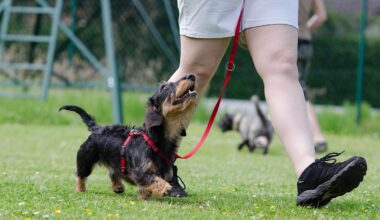
Utilizing effective techniques while training senior dogs can lead to successful outcomes. One recommended method is to employ visual cues, which can aid dogs experiencing hearing loss. Demonstrating movements while commanding reinforces understanding and retention. Another approach focuses on social interaction. Engaging in training sessions within familiar and safe environments can help your senior dog feel relaxed, allowing for them to train effectively. Additionally, using low-impact leash work can also be beneficial. This keeps them physically active while they learn, encouraging a healthy lifestyle alongside training. Training in their favorite spots around the home may also uplift their mood and willingness to engage. Remember to monitor your dog’s physical state, adjusting training methods accordingly—some dogs may require modifications to commands to accommodate their physical needs. Every dog has unique preferences, so observe your dog’s interests and job styles throughout training sessions. This flexibility adds another layer of enrichment, deepening your bond. Always celebrate small victories. Utilize praise and treats to reinforce positive actions, enhancing motivation levels. Create a supportive and enjoyable learning environment as it leads to effective training outcomes.
Introducing commands slowly and steadily is crucial for senior dogs. Understand that their cognitive functions may not be as sharp as before, thus taking extra time helps with retention. A gradual approach allows you to assess their understanding, ensuring they absorb training without feeling overwhelmed. Start with basic commands; simple commands such as ‘sit’ or ‘stay’ serve as excellent foundations. Utilize hand signals to reinforce verbal commands, accommodating potential hearing impairments. Consistent use of these signals builds familiarity and enhances understanding over time. Assess their learning pace continuously; adapting the number of repetitions may be necessary based on individual progress. Encouraging breaks during sessions can maintain focus, especially if your dog becomes agitated or restless. Remember to create an inviting space by minimizing distractions like loud noises or other animals. As your dog grows accustomed to their training environment, their confidence will flourish, and you will notice improved focus during sessions. Always conclude sessions on positive notes to create a favorable experience. Overall, patience combined with gradual introductions enables senior dogs to master commands effectively, enriching their daily lives.
Ensuring Physical Well-Being During Training
Monitoring your senior dog’s physical well-being during training is essential for a positive experience. Senior dogs may face various health issues that can hinder their ability to participate actively. Begin by assessing their overall physical state, including mobility and stamina levels. Limiting session lengths to accommodate their comfort will help ensure successful training. Exercises should include light stretches and gentle walks rather than intensive activities, taking into consideration any arthritis or joint pain. Provide ample breaks throughout to prevent fatigue while training. Understanding your dog’s threshold is vital; you must conclude sessions before they become tired to keep spirits high. Incorporating balance exercises works wonders for improving stability and coordination skills. Consider using dog-friendly mats which offer cushioning support. Rewards for each successful exercise encourage them, fostering an enjoyable atmosphere. A healthy diet is fundamental, promoting both mental focus and physical energy during sessions. Celebrate their progress, and remember to offer plenty of praise; it reinforces positivity. Providing comfort and ensuring that training aligns with their health status leads to fruitful outcomes in training your senior dog.
The importance of socialization cannot be overstated, particularly in senior dogs. Engaging your dog with others ensures enrichment while promoting mental stimulation and emotional well-being. Gradually introduce them to new environments where they can become accustomed to unfamiliar sights and sounds. Consider facilitating encounters with well-mannered dogs, allowing gentle supervision to ensure comfort levels are maintained. These interactions provide invaluable experiences essential for positive behavior development. A well-socialized senior dog enhances their overall quality of life, reducing stress levels significantly. Organizing small group training sessions can create a fun learning atmosphere for them. Breaking the monotony is vital; varying training locations allows exposure to different stimuli, which invigorates their interest. Remember, focus on utilizing rewarding experiences as motivation during interactions; treats and praise can have a beneficial effect here. Oppositely, avoid overwhelming them with excessive socialization. Finding the perfect balance is crucial to ensure your dog remains engaged without feeling overwhelmed. Monitoring interactions and assessing their comfort levels lead to smoother adjustments. Ultimately, socialization contributes significantly to creating confident and adaptable senior dogs thriving in various situations.
The Role of Patience and Consistency in Training
Patience and consistency play pivotal roles in effectively training senior dogs. Realizing that senior dogs exhibit varied learning speeds sets realistic expectations and diminishes frustration. Training may take longer than with younger dogs, so adapt your mindset accordingly. Use varied commands and experiences to maintain their interest during sessions. Incorporate repetitions of commands into daily routines. These practices emphasize learning while engaging in the bond-building process. Remain calm during training sessions; embodying a steady demeanor contributes significantly to lowering stress levels. During this time, anticipate challenges but remain determined in guiding your senior dog. Recognize that persistence fosters growth by creating a flexible learning environment. Use consistent cues and commands that they can reliably recognize; repetition enhances their retention. Understand your dog’s learning styles; some may respond better to verbal commands while others may need visual signals. Be adaptable and willing to try new techniques or tools as necessary and recapture their attention when needed. Lastly, as you cultivate consistency, communicate with love. A positive approach paired with steady guidance creates a joyful experience enriching both you and your senior dog’s lives.
In conclusion, training senior dogs across different breeds requires a thoughtful, tailored approach for the best results. Each dog’s unique temperament plays a role in identifying the most effective training method. Being mindful of an older dog’s physical limitations is essential; adapting commands and techniques to their needs can maximize learning success. Additionally, altogether incorporating a fun element makes the training process enjoyable for both the dog and the owner. Ensure to provide encouragement throughout the journey, celebrating small victories to maintain motivation levels. Understanding your dog’s breed traits and characteristics enhances the training process, paving the path to better communication and understanding. Always value the bond developed during training; it serves as the foundation for trust and companionship. As you practice patience while consistently engaging with them mentally and physically, training becomes a nurturing process that strengthens your relationship. Ultimately, remaining observant about their reactions and adjusting as required promotes a harmonious connection. In essence, embracing a compassionate training philosophy cultivates an enriching environment, positively impacting the well-being of senior dogs as they thrive in their golden years.