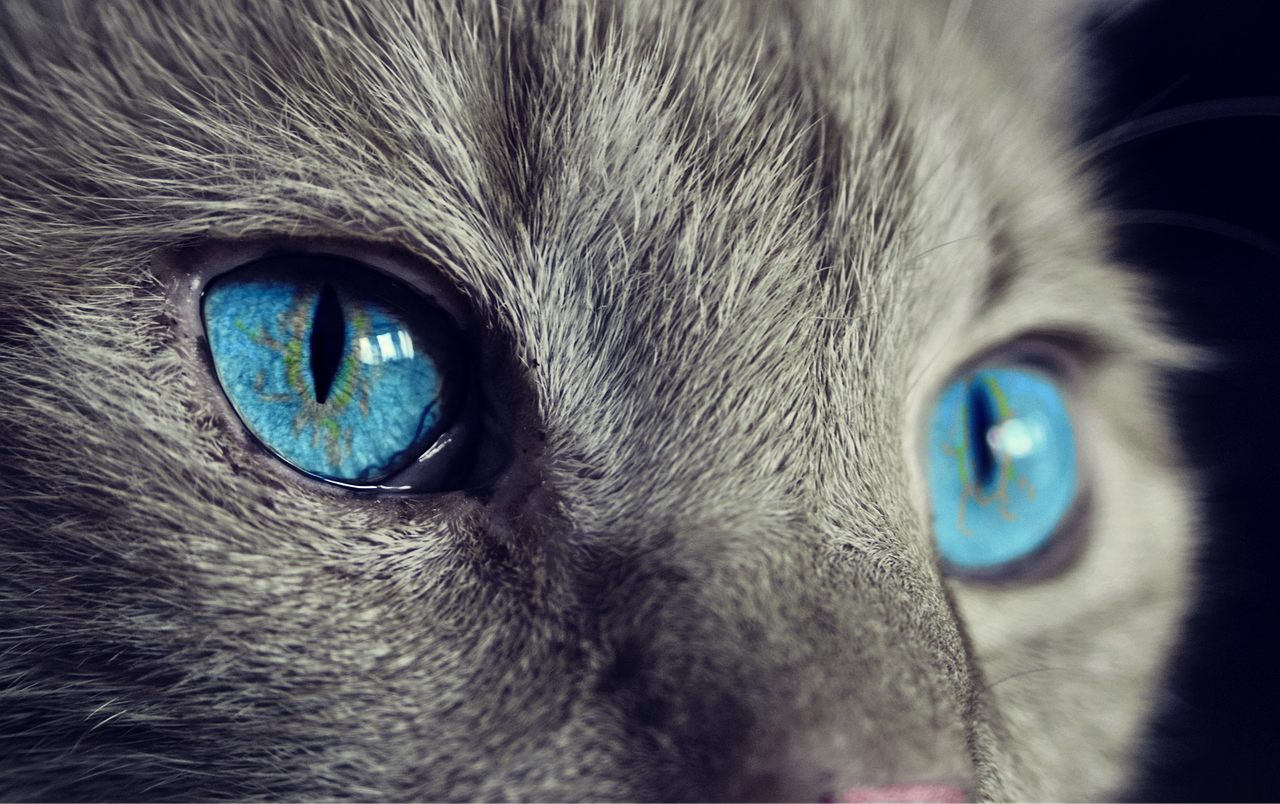

Common Eye Issues in Cats to Watch for During Grooming
As a cat owner, part of your responsibility is to ensure your feline friend’s eyes remain healthy. Regular grooming sessions can help you identify potential problems with their eyes early. One common issue is conjunctivitis, which causes inflammation of the tissue around the eye. You might notice excessive tearing, redness, and squinting; if your cat exhibits these symptoms, it may require veterinary care. Another eye issue is cataracts, where the lens becomes cloudy, potentially leading to vision loss. Symptoms to monitor include a bluish or grayish tinge in the eye, which could indicate the need for further examination. Lastly, be aware of corneal ulcers, which can develop due to injury or infection. Signs include excessive blinking, pawing at the eyes, and a visible opacity on the cornea. Being observant during grooming allows you to catch these issues early, significantly enhancing your cat’s overall health and comfort. Regular vet check-ups are equally important, as they help maintain their eye health over time. Remember, a vigilant and caring approach goes a long way in keeping your beloved pet safe and healthy.
Another common issue seen during grooming is the presence of foreign bodies in the eyes. Cats are curious creatures, and they may get dirt or debris lodged in their eyes. Symptoms include excessive tearing or pawing at the eye, which can lead to further irritation. This condition can escalate swiftly, so it is crucial to check their eyes frequently, especially if your cat spends time outdoors. If your cat appears distressed or you note any discoloration in their eyes, don’t hesitate to consult a veterinarian. Additionally, eyelid issues may arise, including entropion, a condition where the eyelids roll inward, irritating the surface of the eye. Symptoms vary but often include squinting or excessive tearing. If left untreated, these problems can lead to severe discomfort and vision impairment. Nutritional deficiencies, particularly a lack of essential fatty acids, can also impact eye health. Ensure your cat receives a balanced diet rich in these nutrients, promoting overall wellbeing. Thus, providing proper care never negates the importance of routine veterinary visits and check-ups for maintaining optimal eye health.
Recognizing Serious Eye Conditions
Some eye conditions can be quite severe, leading to complications if not treated promptly. Retinal detachment is one such condition, where the retina separates from the back of the eye. Symptoms include sudden changes in vision or floating spots within your cat’s field of vision. Immediate veterinary attention is crucial to address this issue effectively. Another serious concern is glaucoma, which refers to increased pressure within the eye, resulting in pain and potential vision loss. Signs to watch for include bulging eyes, redness, and excessive tearing. Prolonged high pressure can lead to irreversible damage, making early detection essential. If you detect any noticeable changes in your cat’s eyes or behavior, it is important to seek a veterinary evaluation quickly. Preventive measures also play an important role in eye health, such as avoiding exposure to allergens and irritants. Keeping your cat’s environment clean and hazard-free can minimize risk. Furthermore, ensuring regular check-ups will help maintain good eye health into old age. Maintaining a proactive approach is vital for your cat’s overall health.
During your grooming routine, it’s also essential to consider potential allergies that may affect your cat’s eyes. Allergic reactions can occur due to pollen, dust, or even household chemicals, manifesting as watery or red eyes. If you notice these symptoms correlating with grooming, consider reviewing any products you use on your cat. Switching to more natural or hypoallergenic grooming supplies can help ease these reactions and provide comfort to your furry friend. Additionally, sinus infections can lead to eye issues, as they often result in drainage or pressure affecting the eyes. If your cat appears lethargic or has nasal discharge along with eye problems, veterinary diagnosis is necessary. Regular cleanings are vital. Using warm water or recommended wipes can help keep your cat’s eye area clean and free from irritation. Be gentle, and be observant, as cats can be sensitive. Investing time in regular grooming not only enhances your cat’s physical appearance but also promotes their overall eye health. This proactive approach can uncover underlying problems sooner rather than later, ensuring your cat remains happy and healthy.
Importance of Regular Veterinary Check-ups
Regular veterinary check-ups are vital in ensuring your cat’s eye health remains optimal. The veterinarian can conduct thorough examinations that may be difficult to replicate at home. They can detect early signs of diseases and provide guidance on preventative care tailored to your cat’s specific needs. Professional advice is crucial when choosing grooming supplies. Some products work better for certain breeds or age groups. A veterinarian can recommend what is best based on your pet’s characteristics. Furthermore, they can offer insights into the nutrition necessary for maintaining your cat’s eye health. It is essential to provide a diet rich in vitamins and minerals such as Vitamin A, which supports overall eye function. Flea and tick treatments are essential for reducing the risk of associated eye conditions caused by these pests. Eye issues can escalate quickly; treating any underlying health concerns sooner rather than later is always wise. Investing in regular check-ups helps maintain not only eye health but overall wellbeing, allowing you to enjoy many happy moments with your feline companion.
In conclusion, maintaining good eye health in cats requires vigilance and care from an attentive owner. Eye issues can vary from simple foreign bodies to serious conditions like retinal detachment or glaucoma. Regular grooming provides an opportunity to inspect their eyes closely, helping you identify potential problems early. Be observant of symptoms such as excessive tearing, squinting, or unusual behavior. Understanding common eye issues also means being prepared financially for veterinary care as necessary. Educate yourself about potential eye conditions by researching and talking with your vet. This is especially important for specific breeds prone to different eye issues. With regular grooming and veterinary visits, you can take a proactive stance towards your feline friend’s health. Ensuring their environment remains clean and stress-free reduces chances of eye-related problems. By committing to a well-rounded approach involving grooming, diet, and regular vet visits, you can enhance your cat’s overall quality of life. Keep your beloved pet safe, healthy, and happy by prioritizing eye health through responsible ownership and routine care.
Finally, keeping your cat’s eyes healthy extends beyond just grooming sessions and veterinary check-ups. You can encourage a healthy lifestyle through mental stimulation and physical activity. Engaging in playtime with interactive toys encourages them to be active, promoting good blood circulation and overall health, benefiting their eyes too. Just as importantly, provide a comfortable and safe living space contributing to their wellbeing. Avoid exposure to strong allergens, and keep harmful substances out of reach. Consider using air filters or humidifiers if your home tends to be dusty or dry, as they can alleviate potential irritants affecting eye health. In addition, monitor their water intake, as hydration impacts overall health. Cats that are well-hydrated generally have fewer health problems, including those affecting their eyes. Stay observant of any shifts in your cat’s behavior, as changes may indicate underlying health problems. Address any concerns promptly, and don’t hesitate to reach out to your veterinarian if needed. By prioritizing preventative care and a loving environment, you contribute significantly to your cat’s long-term health and happiness.