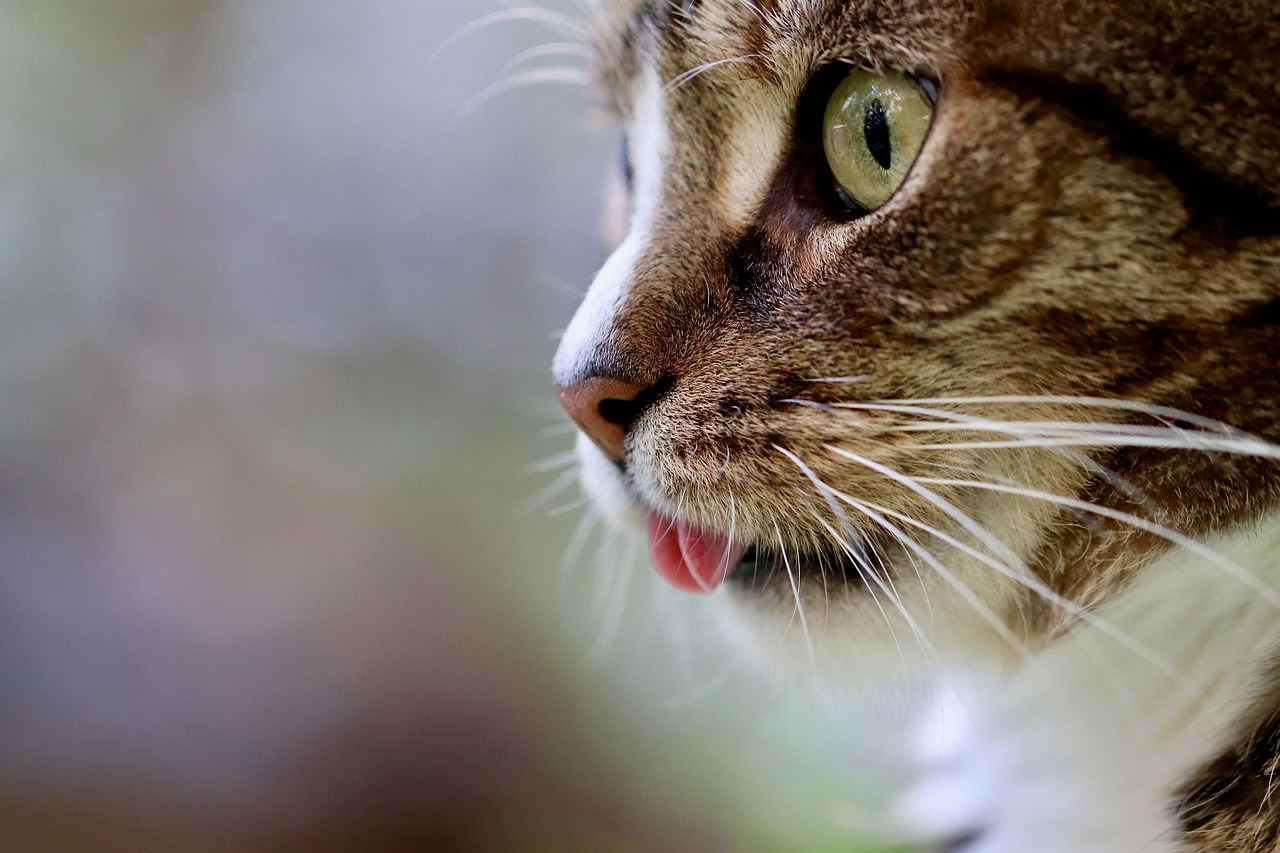

How Cats React to Strangers: Understanding Their Behavior
As social creatures, cats exhibit a variety of behaviors when encountering strangers. Initially, a cat may display cautious behavior, indicating uncertainty as it assesses the situation. Body language signals, such as flattened ears or a twitching tail, suggest that a cat may feel threatened or anxious. In contrast, a cat may also approach a stranger with curiosity, suggesting an eagerness to explore the new presence. By observing these reactions, cat owners can better gauge their feline’s comfort level. Common behaviors include sniffing, pacing, and even hiding. Each reaction offers insights into a cat’s emotional state and familiarity with unfamiliar people. Additionally, it’s essential to recognize that a cat’s past experiences can significantly influence its behavior toward strangers. A cat that has had positive interactions with unfamiliar individuals may feel more relaxed compared to one with a history of negative encounters. Understanding these subtle cues can aid in creating a safe environment for both cats and visitors. Owners should encourage positive experiences to help their cats develop confidence when meeting new people, thereby fostering healthier social behaviors over time. Developing trust is crucial for a cat’s well-being.
Another important factor to consider is a cat’s personal temperament. Cats possess distinct personalities that dictate how they respond to newcomers. Some cats are typically more outgoing and social, actively seeking attention from strangers, while others may prefer a more reserved approach. Recognizing these traits aids owners in predicting a cat’s behavior in various situations. For instance, a naturally sociable cat may greet a stranger with friendly purring, while a more introverted cat might retreat to a safe space. Providing a safe zone is critical for the latter to ensure it feels secure when introduced to unfamiliar people. Owners can create these environments using cozy hiding spots or high perches for their cats to watch from a distance. Over time, it may encourage a timid feline to explore interactions with strangers at its own pace. Gradual exposure to new people will help a shy cat become familiarized with the idea of socializing. Every cat has unique ways of expressing its feelings, whether through vocalizations, body posture, or behavior. Knowing these differences enables owners to personalize their approach when introducing their feline companions to new friends.
The Role of Environment in Cat Behavior
The environment plays a significant role in shaping a cat’s reaction to strangers. A stable and familiar environment can greatly contribute to a cat’s confidence when meeting new people. For instance, a home where the cat feels safe and secure will lead to more relaxed behavior in the presence of guests. In contrast, a chaotic or loud environment may increase a cat’s anxiety levels when faced with newcomers. To ensure a smoother interaction, owners should minimize loud noises, sudden movements, and other potential stressors while greeting visitors. Creating a calm atmosphere may allow the cat to feel more at ease. Additionally, providing a designated quiet area where the cat can retreat is vital for its sense of safety. Cats should have access to comfortable hiding spots or elevated surfaces where they can observe without being directly approached. Making these adjustments conveys to the cat that they have control over their surroundings. Overall, thoughtfully managing the introduction of strangers into a cat’s environment can lead to positive interactions and minimize stress levels for both the feline and the guests.
When introducing a new person into a home with a cat, timing and preparedness are crucial elements to consider. If introducing a stranger, allowing the cat to approach them on its own terms is essential for a successful encounter. Avoid forcing interactions, as this can create lasting negative associations for the cat. Instead, ensure the visiting person is aware of the cat’s body language cues and encourages the visit without direct approach. A gentle introduction, perhaps involving treats and toys, can facilitate an inviting atmosphere. Gradually introducing the stranger while providing the cat with ample space to observe and acclimatize can yield positive results. This pacing allows the cat to retain a sense of control over its interactions. Furthermore, allowing the cat to explore the visitor’s scent from a distance before actual face-to-face interactions may foster familiarity. The importance of establishing a positive association during initial meetings cannot be underestimated. Rewarding the cat with treats or affection when it approaches a new person reinforces confidence and positive feelings, paving the way for future encounters and healthier social experiences.
Understanding Body Language
Feline body language is an essential tool when interpreting a cat’s emotions and reactions towards strangers. Observing the positioning of its ears, eyes, and tail can provide handy insights into how the cat feels. For example, if a cat has its ears pointed forward, it generally indicates interest and curiosity. However, if the ears are flattened against the head and the cat’s body is tense, it may be feeling threatened or scared. Additionally, a cat’s tail position is another key indicator; a raised tail often suggests a confident and happy cat while a puffed-up tail indicates aggression or fear. Understanding these signals allows owners to respond appropriately, ensuring the cat feels safe and comfortable. Furthermore, certain vocalizations can also give clues about a cat’s state of mind. A gentle purr may signify contentment, while hissing may indicate the need for space. By learning to interpret these behaviors, cat owners can foster a nurturing environment where their pets feel secure enough to interact with strangers appropriately. This understanding also strengthens the bond between the owner and the cat during social situations.
For many cat owners, witnessing their pet interact with a stranger can be a source of both joy and concern. Observing this behavior can raise questions about the cat’s emotional health and comfort levels. It’s essential to remember, however, that each cat is an individual with its own unique personality and coping mechanisms. Encouraging positive interactions can lead to more ease with newcomers. Providing a choice for the cat to engage or retreat fosters autonomy. Cats that can control their environment generally feel more relaxed when meeting new people. Additionally, regular socialization with various individuals can promote a healthy acceptance of strangers over time. As cats develop familiarity with new faces, they often begin to mirror their owner’s responses, thus fostering a reciprocal comfort level. Socializing with cats, particularly those with past trauma, requires patience and sensitivity. Utilizing positive reinforcement techniques, such as treats and praise, helps reduce anxiety and reinforces desirable behaviors. Ultimately, building a cat’s confidence through gentle exposure to new people sets the stage for much healthier responses to future encounters.
Conclusion: Building Trust and Comfort
In conclusion, understanding how cats react to strangers is critical in fostering healthy relationships between felines and new people. Cats are complex creatures, and their responses can vary greatly based on their personality, past experiences, and the environment. The awareness of feline body language, environment adjustments, and gradual introductions will aid in building trust and comfort. By creating a safe space and allowing the cat to control interactions, owners can ensure better experiences. Engaging with a cat positively promotes confidence and encourages social behavior toward new visitors. As cats become accustomed to human interactions, their ability to adapt to various situations often improves. Supporting a cat’s journey to becoming more socially adept requires time, patience, and a tailored approach to fit the individual’s needs. Observing their reactions and adjusting methods accordingly can strengthen the bond between the cat and its owner. The ultimate goal is to create a home environment where cats feel safe and secure while allowing them to thrive socially. With a little understanding and care, every cat can learn to navigate new encounters gracefully and confidently.
Encouraging the cat’s socialization journey enhances the overall experience for both cats and humans. Cats thrive when they are supported positively. The rewards in developing trust and comfort in these interactions benefit not only the cat but also the people fortunate enough to meet them. Regular practice of introducing cats to various social experiences results in a resilient and adaptable feline companion. Just like humans, every cat processes and reacts to social situations uniquely, often influenced by prior encounters and their natural instincts. Consequently, understanding the nuances of feline behavior leads to deeper interactions and richer relationships with our pets. So, consider the journey together, focusing on building confidence through supportive experiences. Taking the time to familiarize your cat with different people opens avenues for enjoyable interactions. The end result will be a cat that feels secure in its environment and enthusiastic about socializing.