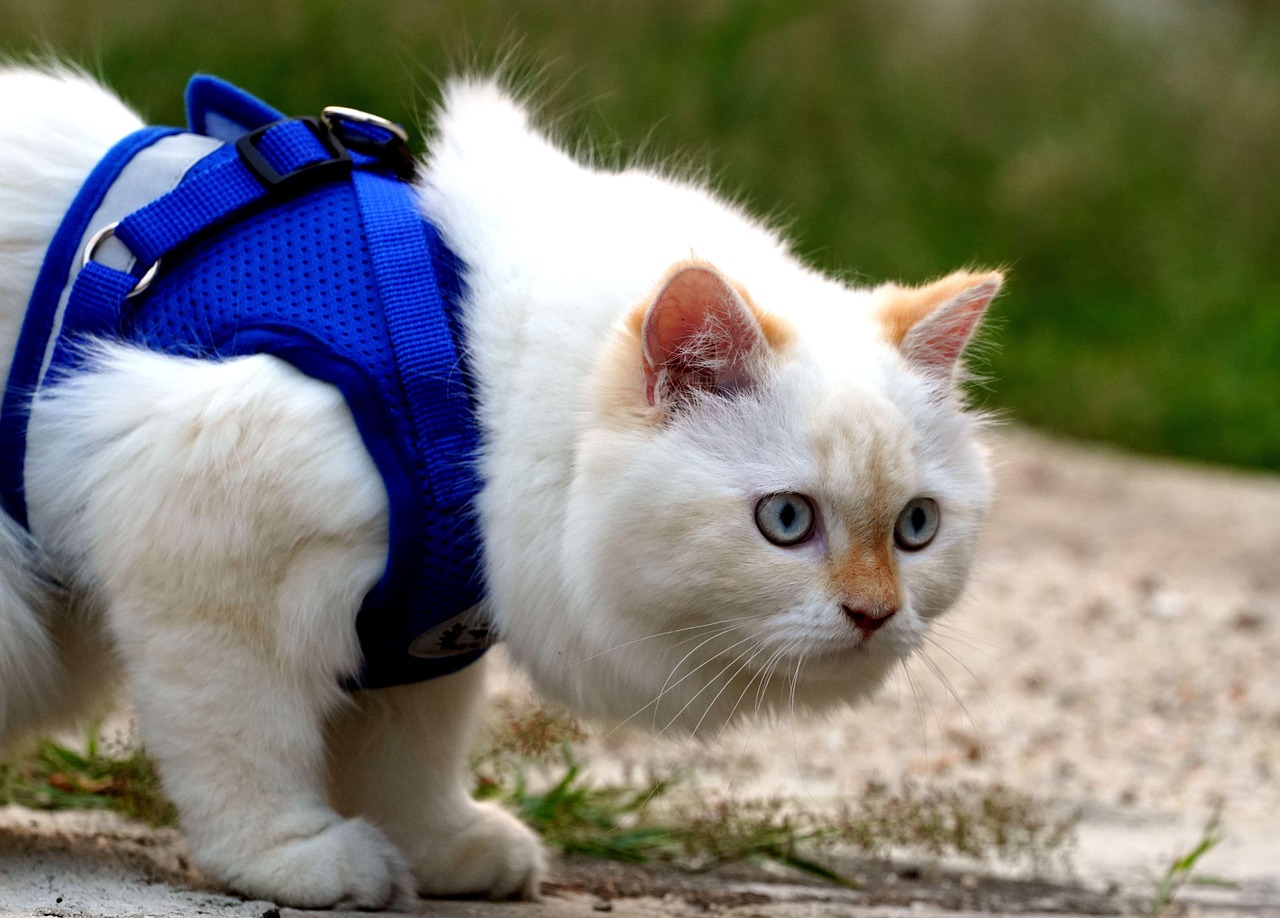

Harnesses and Leashes: Training Your Cat to Walk Outdoors
Getting your cat used to wearing a harness is the first step toward successful outdoor adventures. Start by choosing a harness specifically designed for cats, as they differ from those for dogs. Ensure it fits comfortably, allowing for enough movement without being too loose. Introduce the harness indoors, allowing your cat to sniff and investigate it at their own pace. Use treats and positive reinforcement to create a positive association with the harness. Gradually place it on your cat, briefly fastening it before letting them roam around the house. This familiarization process can take days or even weeks, and it’s crucial not to rush it. Remember, patience is essential when it comes to training your cat. Each cat moves at their own speed, and some may be more resistant than others. It’s essential to monitor your pet’s behavior and well-being, keeping training sessions short. Practice patience and keep providing treats to encourage compliance. Once your cat seems comfortable wearing the harness, you can begin introducing the leash, giving them both the time and space to adapt.
Once your cat is accustomed to wearing the harness indoors, it’s time to introduce the leash. Begin by attaching the leash to the harness while indoors, letting your cat walk freely with it trailing behind them. This will help them adjust to the feel of being tethered without feeling restricted. Allow your cat to explore their environment with the leash attached, monitoring their reactions closely. If they show signs of distress or discomfort, take a step back in the training process, giving them more time to adjust before progressing. Remember that each cat is unique, and some may take longer to completely accept this new experience. Provide plenty of positive reinforcement through treats and praise to encourage their confidence as they navigate. After several indoor sessions, try gently guiding your cat outdoors while holding the leash. Choose a quiet, safe area for their first outdoor experience, minimizing distractions or aggressive animals. Keep the sessions short, allowing your cat time to acclimate to this new environment without overwhelming them.
The Right Environment for Training
The environment plays a crucial role in your cat’s training process. When first introducing your cat to walks outdoors, select a quiet, serene location. A fenced backyard or aesthetically pleasing neighborhood park can be ideal for ensuring your cat feels comfortable. Avoid high-traffic areas or places with loud noises, as these can cause stress and anxiety. Instead, seek spots where your cat feels safe and can explore at their own pace. Watch for signs of anxiety or discomfort, which may include hiding, excessive meowing, or unwillingness to move. As you venture outdoors, allow your cat to set the pace. Each outing should be an opportunity for your feline friend to discover sights, sounds, and smells at their own leisure. Pause often to let them investigate intriguing spots—the outdoors can be full of captivating experiences! Exploring nature also keeps cats mentally stimulated and engaged, helping to satisfy their curiosity. Remember to bring treats and plenty of water to keep your kitty hydrated without cutting the adventure short.
As you continue outdoor training sessions, always keep safety in mind. For instance, ensure your leash is securely fastened to the harness to prevent accidental escapes. A specialized cat leash that allows for some freedom, yet keeps control, can be a great asset. Choose a lightweight and durable leash that is comfortable to hold and doesn’t drag on the ground. When walking, avoid the temptation to tighten the leash as this may provoke anxiety or fear in your cat. Instead, keep the leash loose, allowing your cat to dictate their movements. Practice gentle guidance when you need them closer, and always reward good behavior. If your cat seems hesitant, use treats to encourage them to move forward. It is essential to remain calm and patient during each step of the process. If they exhibit fear or reluctance, don’t force them further. Short, positive sessions will build their confidence and trust gradually. Soon enough, with practice, your cat may love exploring the great outdoors, making walks a pleasurable experience for the both of you.
Understanding Your Cat’s Behavior
Observing and understanding your cat’s behavior is a crucial aspect of successful leash training. Each feline has distinct personality traits that can influence how they adapt to walking outdoors. Some cats are naturally more curious and adventurous, while others might be shy or timid. Recognizing these traits can help tailor your training approach effectively. For instance, a more adventurous cat may quickly embrace outdoor activities, while a cautious cat may require additional time to adjust. Be attentive to your cat’s body language during walks. Signs of fear may include flattened ears, an arched back, or an unwillingness to move. In such cases, it’s vital to be patient and allow your cat to take breaks as needed. Some cats may prefer staying closer to you, while others will wander confidently. Adjust your pace to match your cat’s comfort, stopping when they pause to explore, giving them the freedom to investigate their surroundings without pressure. Tracking your cat’s preferences will help you enhance the experience with every interaction.
In addition to walking, consider incorporating training exercises to strengthen your bond and ensure a well-rounded experience during outings. Training your cat to respond to commands such as ‘come’ or ‘sit’ can foster better communication on your walks. Start these activities using treats as incentives, rewarding your cat when they successfully follow commands. Choose a quiet area to practice, gradually introducing distractions as they develop competence. Repeat these exercises during your outings to reinforce their learning. Creating a routine and consistency during these training sessions helps reinforce positive behavior. Over time, your cat will learn to associate walks and commands with fun and stimulation. Remember that low-key sessions work best, allowing your cat ample time to absorb their surroundings. Consistency in practice will lead to noticeable improvements, making walks enjoyable for you and your pet. Being patient and recognizing that every cat has its learning curve is essential. Celebrate small victories and keep sessions engaging. Your efforts will surely pay off as you both enjoy greater outdoor adventures together.
Conclusion: Enjoying Outdoor Adventures Together
Training your cat to walk outdoors requires careful consideration, patience, and positive reinforcement. As you progress through various stages of training, ensure your cat feels secure, comfortable, and engaged. Each outing should be an enriching experience that fulfills their innate curiosity while strengthening the bond you share. By selecting appropriate equipment, recognizing your cat’s behavioral traits, and providing a supportive environment, you can create a treasure trove of opportunities for exploration and joy. Embrace the mindset of patience throughout the process—every cat learns at their own pace, and adapting to their needs is essential for success. Celebrate the small achievements during your outdoor adventures, acknowledging when your cat is more comfortable with the leash and harness. These victories underscore the importance of your commitment to training and understanding. In time, your cat will eagerly anticipate their walks and relish exploring outside with you. Consistent practice not only improves their confidence but also fosters a deeper connection between you two. Take it at your pace, and enjoy the journey of discovering the great outdoors together.