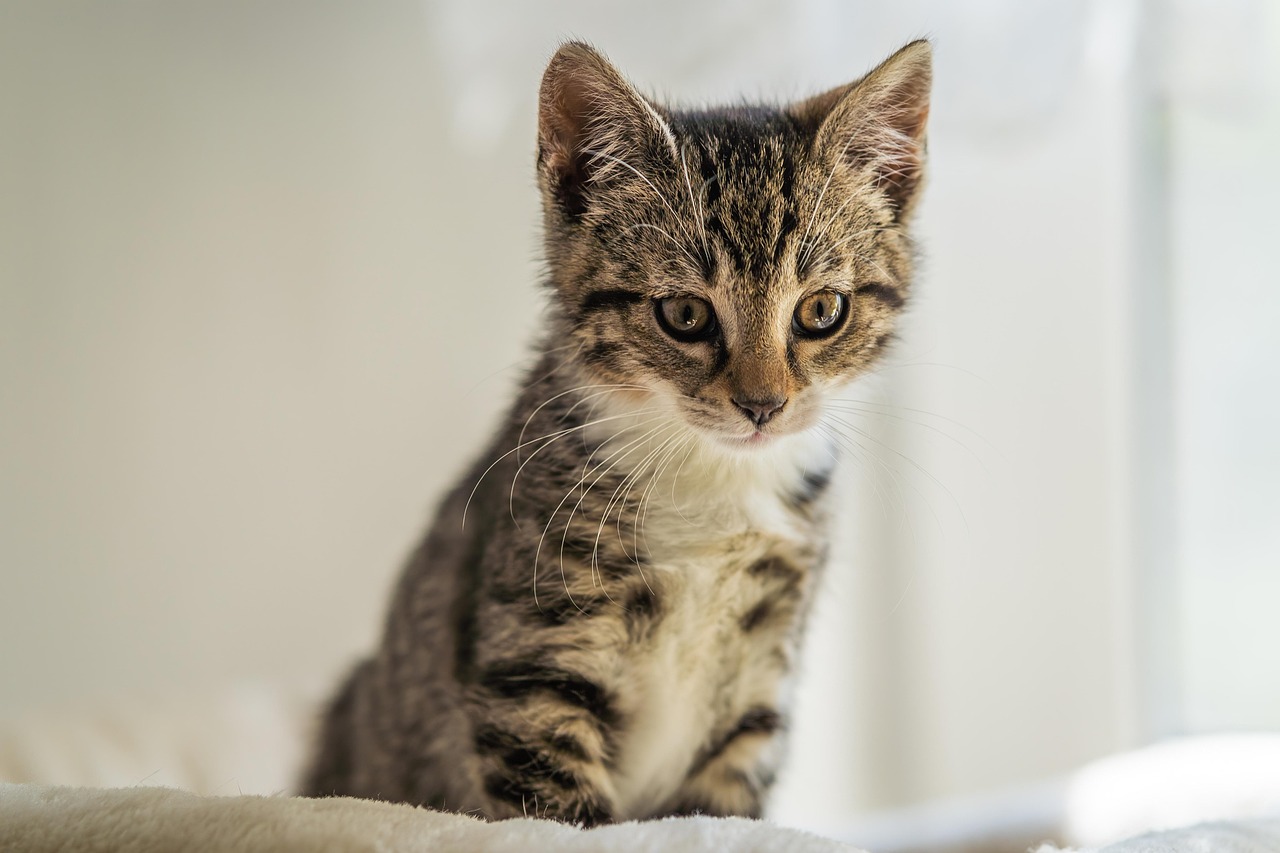

Understanding Aggressive Behavior in Kittens
Kittens are adorable, but they can also display aggressive behaviors that can be alarming to owners. Often, this behavior stems from natural instincts. Kittens are playful creatures but sometimes express playfulness through biting or clawing. Recognizing these behaviors is crucial for ensuring a harmonious relationship between your kitten and your family. Aggression in kittens can be categorized into different types, such as fear-based aggression, play aggression, and territorial aggression. Understanding the underlying causes will help you address and manage these behaviors effectively. When you observe signs of aggression, assess the situation based on the context. In particular, consider how your kitten typically reacts to new stimuli. For instance, a kitten that is fearful may exhibit aggression when feeling threatened by noise. Providing a nurturing environment is vital for their development. Socialization plays a key role; expose your kitten to various people and experiences. This fosters a sense of security and reduces fear. Always approach your kitten patiently and avoid harsh discipline, as this can exacerbate aggressive reactions. Instead, use positive reinforcement to encourage desired behaviors, shaping their understanding over time.
One common type of aggression in kittens is play aggression. Kittens engage in play fights with their littermates, developing hunting skills essential for their survival. This behavior can unintentionally transfer to their human companions. It’s important to identify when your kitten is playing versus when it feels provoked. Kittens often exhibit bursts of energy, running and pouncing—recognizing this playful behavior helps set boundaries. Owners should offer appropriate toys that mimic prey, such as feather wands or small balls. This serves to redirect their energy away from human hands and legs. It’s essential to avoid using hands as toys, as this reinforces the idea that human skin is something to grasp and bite. Instead, make your kitten aware of designated play items, creating a safe and fun environment. Ensure the time spent playing is both stimulating and interactive. Incorporating daily play routines enhances their motor skills and further deters inappropriate aggressive behavior. If aggression persists, consulting a veterinarian or animal behaviorist could provide tailored advice. They can help identify potential health problems or recommend strategies for handling aggression effectively and humanely.
Another form of aggression to consider is fear-based aggression. Kittens that haven’t been socialized adequately may become defensive when exposed to unfamiliar people, pets, or environments. When a kitten feels threatened, its instinct may be to fight or flee. Signs of fear-based aggression can include hissing, growling, and swatting. If your kitten displays this behavior, it’s essential to create a calming atmosphere. Slowly introducing your kitten to various stimuli can help them adjust gradually. Utilizing safe spaces can make your kitten feel secure. Providing hiding spots enables them to retreat when overwhelmed. Over time, this can build their confidence and minimize fear responses. During introductions, employing treats and positive reinforcement can reward calm behavior. Every kitten has its own pace; be patient and allow them to adjust. Avoid forcing interactions, as this may lead to heightened stress levels. To facilitate positive experiences, consider inviting gentle friends or family members over to meet your kitten. The less threatening they perceive others to be, the more likely they’ll engage positively. This nurturing approach helps create a supportive environment for growth and behavioral development.
Territorial Aggression in Kittens
Territorial aggression occurs when kittens establish boundaries around their environment. When a kitty feels its space is being encroached upon, it may respond aggressively to assert its territory. This can manifest through hissing, growling, or even attacking other pets or people. A common trigger for territorial aggression is the introduction of a new pet into the home. Kittens often perceive outsiders as threats. To mitigate territorial disputes, it’s advisable to introduce new animals gradually. This can involve allowing the newcomers to explore designated space without direct contact initially. Gradually increasing their interactions helps to reduce hostility and allows both pets to acclimate at their own pace. You may also want to establish high perches or hiding spots for your kitten to retreat. This allows them to observe without feeling threatened. Ensuring each animal has its territory decreases competition and aggressive encounters. Moreover, consider using pheromone diffusers, which can help calm anxious animals. Each pet should have its resources—food, water, and toys—to minimize competition and foster a peaceful atmosphere, promoting coexistence among pets.
In understanding and addressing aggressive behavior in kittens, monitoring is essential. Regular observation of their body language and vocalizations will help you identify potential triggers or stressors. Keep a keen eye on their interactions with humans and other animals. Assess the environment, as certain settings may provoke aggression, such as crowded rooms or loud noises. Providing an enriching environment is crucial for reducing stress levels. Engage in interactive play with your kitten to promote healthy outlets for their energy. Activities that encourage mental and physical stimulation, such as puzzle toys or climbing structures, can help redirect aggressive tendencies. If the aggression seems excessive or uncontrollable, seeking professional guidance is important. An animal behavioral consultant can offer insights and strategies tailored to your kitten’s needs. Additionally, discussing any concerns with a veterinarian is recommended, as underlying health issues can contribute to aggressive behavior. Overall, fostering a safe, stress-free environment can produce happier and more confident kittens. As they grow, continue reinforcing positive behaviors while establishing firm boundaries, ensuring a fulfilling relationship between you and your beloved feline companion.
Conclusion: Building a Harmonious Relationship
In conclusion, addressing aggressive behaviors in kittens requires understanding, patience, and proactive strategies. Kittens express aggression for various reasons, ranging from playfulness to fear. Recognizing the different forms of aggression can guide you in effectively managing each situation. By establishing a safe environment, socializing your kitten, and providing appropriate outlets for energy, you can reduce the likelihood of aggression. Work towards building trust with affection and positive reinforcement. Gradually introduce your kitten to a range of experiences to nurture their confidence and diminish aggressive tendencies. Always remember that each kitten is unique, and the journey toward adapting to their behaviors can differ significantly. Make use of available resources, whether they are expert insights or community support. A well-adjusted kitten not only leads to a happier pet but also a more enjoyable experience for you as a pet owner. Continue fostering mutual understanding between you and your feline friend, as this is vital in creating a strong bond. Transitioning from aggression to a more peaceful and loving interaction is possible with awareness, education, and compassion.
As you strive to understand your kitten’s behavior, remember that patience and empathy are indispensable. Kittens are learning how to navigate the world around them through their experiences. Every interaction they undergo shapes their attitudes and responses. Building a harmonious relationship with your kitten will undoubtedly result in a rewarding adventure for both of you. Continue to observe and learn how your kitten communicates and reacts. By addressing aggression thoughtfully and kindly, you pave the way for a deeper connection. Celebrate the small victories during this process, as every improvement counts. As your relationship flourishes, enjoy the many moments of joy and cuddles that emerge when your kitten feels safe and secure in your care. A well-adjusted kitten can become a loving and affectionate companion over time. It’s all about fostering a sense of trust and understanding. Don’t forget that seeking help is a strength, not a weakness. Use resources available, including your veterinarian and animal behaviorists. The goal is to ensure both you and your kitten enjoy a harmonious and affectionate living environment.
Ultimately, the journey of understanding aggressive behavior in kittens is multifaceted. Each kitten has its personality and traits. By employing methods like gradual introductions, patience, and appropriate play channels, pet owners can navigate this territory effectively. Recognizing aggression as a communicative signal is crucial. Work to shift the narrative from aggression to understanding. A peaceful coexistence is achievable through dedication and continual learning. Over time, fostering intimacy with your kitten leads to a deeper bond. Each phase of this journey reinforces growth for both kitten and owner. Documenting progress not only serves to help you stay informed but also enhances your kitten’s adaptive techniques. Be prepared for ups and downs; behavioral changes can take time to manifest. Together, you and your kitten can overcome challenges and celebrate milestones. Interactive play and consistent reinforcement of positive behavior lead to gradual changes. As your kitten matures, they will likely settle into a more balanced demeanor. Just remember, every moment of effort contributes to a lasting friendship filled with love. Continue loving and supporting them, ensuring they thrive in your care.