
Essential Vaccinations to Protect Show Dogs From Infectious Diseases
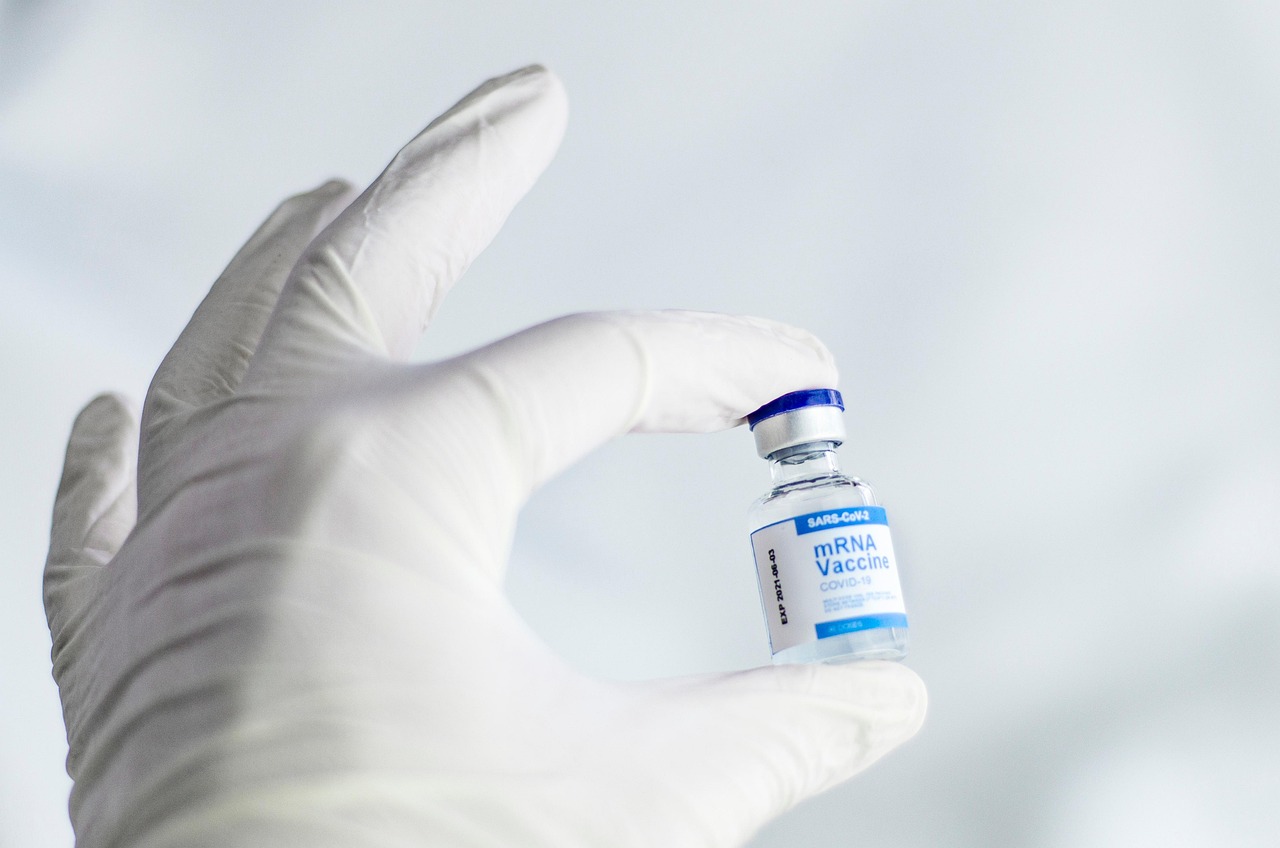
Participating in dog shows requires not only rigorous training and grooming but also ensuring that your dog is healthy and protected from various infectious diseases. Vaccinations are crucial for safeguarding your dog’s health, particularly in environments like dog shows where many breeds intermingle. The risks of exposure to contagious diseases increase significantly in crowded settings. Vaccinating your show dog will help create a robust defense against illnesses such as distemper, parvovirus, and kennel cough. These vaccines not only keep your dog safe but also protect others in attendance. Show dogs often travel to multiple events, enhancing the potential exposure to infectious agents. Keeping vaccinations current can also be a requirement of many dog show organizers. They may request proof of vaccination, ensuring the health and safety of all the participants. Always consult your veterinarian to tailor a vaccination schedule suitable for your dog’s specific age, breed, and health status. Vaccinating not only supports your dog’s overall health but also ensures participation in competitions. Relying on herd immunity can also help prevent outbreaks and make dog shows safer for everyone.
Furthermore, it’s vital to understand the core vaccines essential for all dogs, especially for those involved in competitions. Core vaccines typically include rabies, distemper, canine parvovirus, and adenovirus type 2. These vaccines are considered essential for any dog, regardless of lifestyle, due to the highly contagious nature of the diseases they protect against. Rabies is a deadly viral disease that poses significant risks to both dogs and humans, making its vaccine mandatory in many regions. The distemper vaccine protects against a severe illness affecting the respiratory, gastrointestinal, and nervous systems, while the parvovirus vaccine is critically important for preventing a highly contagious gastrointestinal disease. Additionally, the adenovirus vaccine protects against infectious canine hepatitis. In contrast, non-core vaccines may be recommended based on specific circumstances, such as geographical location or lifestyle. For show dogs, protection against illnesses like Bordetella bronchiseptica (kennel cough) is often essential, given their potential exposure at shows and kennels. It’s wise to discuss these vaccines with your vet, who can suggest the best vaccinations depending on your dog’s needs.
Understanding the Importance of Vaccination
Understanding the importance of vaccination cannot be overstated, especially for show dogs who may face challenges that pet dogs do not. Travel and the stress of competition can make dogs more susceptible to infections. For instance, a weakened immune system due to stress can leave a vaccinated dog vulnerable against pathogens they might normally fight off. Regular vaccinations ensure that your dog’s immune system is equipped to handle exposure to infectious agents acquired from fellow participants or environments. Besides providing direct immunity, vaccinations can also help maintain the integrity of the dog show community. If all participants adhere to a strict vaccination protocol, the chances of contagious diseases spreading decrease significantly. In turn, this creates a healthier environment for all dogs. Moreover, responsible owners who prioritize vaccination contribute to the overall health standard of the breed. Dog shows can serve as platforms for advocating the importance of welfare as part of a competitive spirit. Engaging with breeders, trainers, and fellow competitors about vaccination can lead to a wider recognition of its necessity across various platforms and events.
Another aspect to consider is ensuring that you are recorded and up to date with all your dog’s vaccinations, especially before entering any show venues. Keeping a vaccination record helps track when each vaccine was administered and when the next booster is due. This information is crucial not only for participation in dog shows but also for emergencies involving your pet. Moreover, vaccination records can be requested by event organizers or insurance companies as they demonstrate your care for your dog’s health. If the records aren’t maintained properly, this may lead to issues when you are required to provide documentation. Also, ensure that the vaccines administered are from reputable manufacturers. Quality matters, and using approved vaccines from well-known sources ensures that your dog is receiving proper protection. Be proactive and ask your veterinarian for the best practices for keeping your show dog vaccinated and healthy. This way, you feel confident you are taking the necessary steps to secure your dog’s well-being during dog shows and general exposure in public settings.
When to Start Vaccination
Establishing a vaccination schedule is essential for show dogs, ideally starting from an early age. Puppies generally receive their first vaccinations as early as six weeks of age, beginning with core vaccines, followed by booster shots at intervals recommended by your veterinarian. It is critical that show dog owners adhere to these schedules to maximize immunity as the dog matures. Generally, puppies need multiple rounds of vaccinations until they are at least four months old before they receive their final core vaccines. Once the initial vaccinations are completed, a maintenance schedule should take place every one or three years depending on the specific vaccine. Keeping track of these vaccinations can help prevent gaps in immunity that may expose your dog to infectious diseases. Moreover, knowledge about local vaccination requirements is essential, as laws differ regarding dog vaccinations. Some dog show venues may even implement additional vaccination protocols during outbreaks. Regular veterinary check-ups also ensure that overall health is monitored, addressing other potential health concerns and ensuring your dog is in show-ready condition at all times.
Word-of-mouth recommendations also play a significant role in identifying reputable veterinarians to consult for your dog’s vaccinations. Engaging with experienced dog owners or trainers can guide you in finding professionals who understand the importance of vaccinations for show dogs. Building a relationship with a veterinary practice that specializes in canine health will provide a solid support system. Quality veterinary care is essential for routine vaccinations and overall health management. Establishing a rapport with your veterinarian also allows for open discussions about any specific health concerns you might encounter regarding your show dog. If your dog has any underlying health conditions or is on medication, be transparent to ensure the veterinarian can provide the best advice during vaccination. Adding a show dog’s unique needs to the conversation helps craft a tailored vaccination plan. Owners should also remain updated on immunization recommendations based on evolving research to adapt accordingly. Correctly managing your dog’s vaccination schedule under veterinary guidance allows you to focus on what really matters—your show dog’s performance at competitions.
Final Thoughts on Dog Vaccinations
In conclusion, vaccinations are a fundamental aspect of responsible dog ownership, especially for those who participate in dog shows. Maintaining a scheduled vaccination regimen protects not only your show dog but ensures the health of the entire canine community. By covering core and non-core vaccines, owners can facilitate a healthy show experience and help mitigate any potential outbreaks. Staying informed about local regulations and communication with veterinary professionals plays a critical role in ensuring that show dogs remain healthy. Always remember that the benefits of vaccinations far outweigh the perceived risks, which are generally minimal compared to the serious consequences infectious diseases can have on your dog’s health. Taking preventive measures by vaccinating your dog should be one of the primary responsibilities for dog show competitors. Your dog’s safety, alongside the welfare of others, should remain a priority. Actively engaging with fellow participants in discussing the importance of vaccination will raise awareness and promote responsible practices. Ultimately, investing in preventive health care, including vaccinations, will enhance your show dog’s performance and longevity.
The world of dog shows can often feel overwhelming and competitive; however, it’s crucial that these events prioritize the health and well-being of every animal involved. Keeping this focus means reinforcing the values that underpin shows and competitions, such as exhibiting quality, superiority, and health among breeds. Continuous education about vaccination and preventive health care practices fosters a culture of responsibility among participants. By investing time and resources into understanding health protocols through veterinary input, show dog owners can lead the way in promoting high health standards across events. As community advocates, dog owners can help share knowledge about vaccinations, assisting other novice owners to appreciate their importance. The commitment to uphold rigorous health standards is the foundation for dogs competing at shows. Ensuring that every participant focuses on health upholds the integrity of the show scene. Stronger health protocols improve the quality of future generations and ensure a thriving dog show culture. By engaging positively within the community and emphasizing vaccinations, dog show participants contribute to better health practices. In this continuous effort, the collaborative spirit can emerge, paving the way for a brighter future for canine competitions.