
How to Train Rescue Dogs in First Aid Techniques
Training rescue dogs in first aid techniques is crucial for their safety and effectiveness in emergencies. Knowing basic first aid can save lives, not just during disasters but also in everyday situations. Begin by understanding the common injuries rescue dogs may encounter. This includes cuts, bruises, heat exhaustion, and allergic reactions. Equipping your dog with the ability to act in these situations ensures they remain calm and effective when it truly matters. Consider starting with basic commands that relate to first aid, such as “stay” or “help.” These commands create a solid foundation for further training. Next, work on desensitizing your dog to medical equipment, like bandages and splints. Using positive reinforcement during this phase can help your dog associate first aid gear with rewards rather than fear. Regular practice sessions focusing on specific techniques, such as how to apply a muzzle safely or stabilize an injury, will also enhance their reactions during real emergencies. Remember that patience is key in the training process, allowing your dog to learn and adapt without stress.
Incorporate play into your training sessions to keep things enjoyable for your canine companion. Using toys as a mock first aid situation engages their natural instincts while reinforcing the importance of staying calm under pressure. Practice how to perform CPR or basic bandaging techniques through simulations that mimic real-life scenarios. This practical approach helps your dog understand the gravity of various situations. Always ensure that training exercises are age-appropriate and consider the physical ability of your dog during training sessions. Young puppies may need different techniques than older dogs. Additionally, consider enrolling in first aid courses tailored specifically for dog training, which can provide you with a more structured learning experience. These courses often include expert guidance, reinforcement of techniques, and hands-on practice. Moreover, connecting with local rescue organizations can be beneficial as they may host workshops or seminars focusing on canine first aid. Establish a schedule for regular refreshers to keep your dog’s skills sharp and enhance your teamwork. Dogs, like humans, can forget techniques without practice, so regular sessions are essential.
Understanding Basic First Aid Techniques
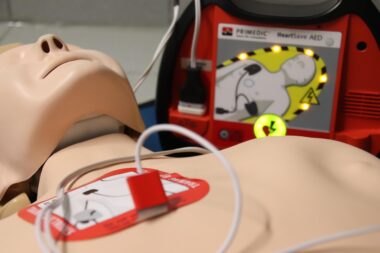
Basic first aid techniques every rescue dog should master include bandaging, checking vital signs, and performing rescue breathing. Start by teaching your dog to stay still while you practice applying bandages. Use a soft, non-irritating material, and encourage your dog to remain calm. Reward them with treats after each successful application, associating positive reinforcement with the process. Checking your dog’s vital signs can involve getting them accustomed to allowing you to check their pulse and breath. Use low-pressure situations and practice on a comfortable surface. Furthermore, introduce cues, like “breathe,” when monitoring their breathing patterns. It fosters communication between you and your dog. Lastly, practice rescue breathing through roleplay; mimicking scenarios where your dog may need to support you or another dog in distress will help solidify their understanding. Use a training dummy or an appropriate substitute to advance their learning. Remember that consistency and patience will be your greatest tools during this process. Celebrate small achievements throughout your training that will contribute significantly to their knowledge and comfort with first aid procedures.
Caring for your dog’s mental health during training is just as important as the physical aspect. Incorporating breaks during your training sessions will allow them to decompress and stay focused. Avoid overwhelming them with too much information at once, as this can lead to stress and burnout. Dogs can sense your emotions, so keeping a calm and positive demeanor will encourage them to perform better. Introduce different training locations and environments gradually to ensure they are adaptable. Real-life scenarios may arise in various settings, making versatility an important skill. Furthermore, invite family members or friends to witness the training. Having familiar faces around your dog can reduce anxiety and create a more relaxed learning atmosphere. Consider using gentle verbal cues and body language to guide your dog through the exercises effectively. Dogs respond well to a trainer who builds trust and rapport, which increases their willingness to participate fully in the learning process. Lastly, always end your sessions on a positive note. Reinforce their efforts, whether big or small, and maintain the excitement about learning new skills together.
The Importance of Continuous Learning
Continuous learning is vital in dog first aid training. Just as medical knowledge evolves, so should your training methods and techniques. Engage with the latest resources, books, and online materials that provide richer information on first aid for dogs. Keeping up with current trends enhances the skills you pass on to your dog, making both of you more effective in emergencies. Online communities and discussion boards can also offer peer advice on training techniques and effective methods. Utilize pet first aid apps that are easily accessible for guidance or reminders during emergencies. Making first aid knowledge accessible will ensure you are prepared when challenges arise unexpectedly. Attend workshops or local training events to network with professionals and fellow dog owners, providing additional perspectives on the material. Furthermore, tracking the progress of your dog during practice sessions can help in identifying areas that need improvement. Keeping a detailed log of successful drills and less favorable outcomes will show progress over time. Doing this not only updates their skills but also boosts motivation for both you and your dog throughout the ongoing learning experience.
Regular evaluation of your dog’s performance is essential as it signifies their development in first aid skills. Establish benchmarks for proficiency and acknowledge when learning has occurred effectively. In particular situations, simulate real-life scenarios that require your dog to apply their skills spontaneously. Incorporate distractions similar to those they may encounter, ensuring proper responses. This kind of training underlines the importance of focus and obedience under pressure, showcasing their understanding of what they’ve learned. Additionally, considerations for your dog’s health and wellness should be maintained during this period. Always monitor their stamina and behavior during rigorous training to prevent injury. Allow for sufficient recovery time as it fosters better engagement and less susceptibility to stress. Consider consulting a veterinarian for tailored advice on fitness levels regarding first aid training. Creating an appropriate training schedule that fits your dog’s needs can enhance their overall experience too. This tailored approach ensures that both you and your dog are adequately prepared for any emergency. Such preparation not only consists of physical readiness but also mental and emotional preparedness as well.
Preparing for Emergencies
Preparation for emergencies extends beyond basic first aid training for rescue dogs. Establish a safety plan that addresses various potential scenarios. Local parks or common areas where you train should be included in your considerations. Having a clear protocol can help you remain calm in the event something occurs. Familiarize your dog with various emergency environments, which can range from urban streets to less populated areas. Creating a designated first aid kit for your dog is also a crucial aspect of emergency preparedness. Stock this kit with essential supplies such as bandages, antiseptics, and any medications they may need. Keep this kit in easily accessible locations, allowing for quick responses during emergencies. Conduct practice drills at home or in controlled environments to ensure both you and your rescue dog are familiar with the protocols established. This training helps foster confidence in their first aid abilities. Furthermore, involve family members in these drills, ensuring that everyone knows their responsibilities during an emergency. Regular practice instills readiness, reducing the chances of panic in real situations.
Finally, encouraging good behavior through positive reinforcement during emergencies can save lives. Deliver treats and praise during first aid simulations, showing that good responses yield rewards. This method builds loyalty and trust, reinforcing your dog’s willingness to assist in distressing situations. Additionally, attend refresher courses to keep your skills current and to provide your dog with updated training. Collaborating with local first responders can be beneficial too; they may offer joint training sessions that emphasize teamwork. Sharing the experience of training with experts reassures both you and your dog, showcasing a stronger bond through shared learning. Extending your knowledge and skills in first aid strengthens your relationship while also enhancing your pet’s capabilities. This deep-rooted connection simplifies the process of further training, making it a shared journey. Ultimately, the path to training rescue dogs in first aid is an ongoing commitment. Embrace the learning process, adapt to new techniques, and maintain an open mind toward further education. Prioritizing safety and preparedness will ensure that both you and your canine companion can handle any emergency with confidence, teamwork, and skill.