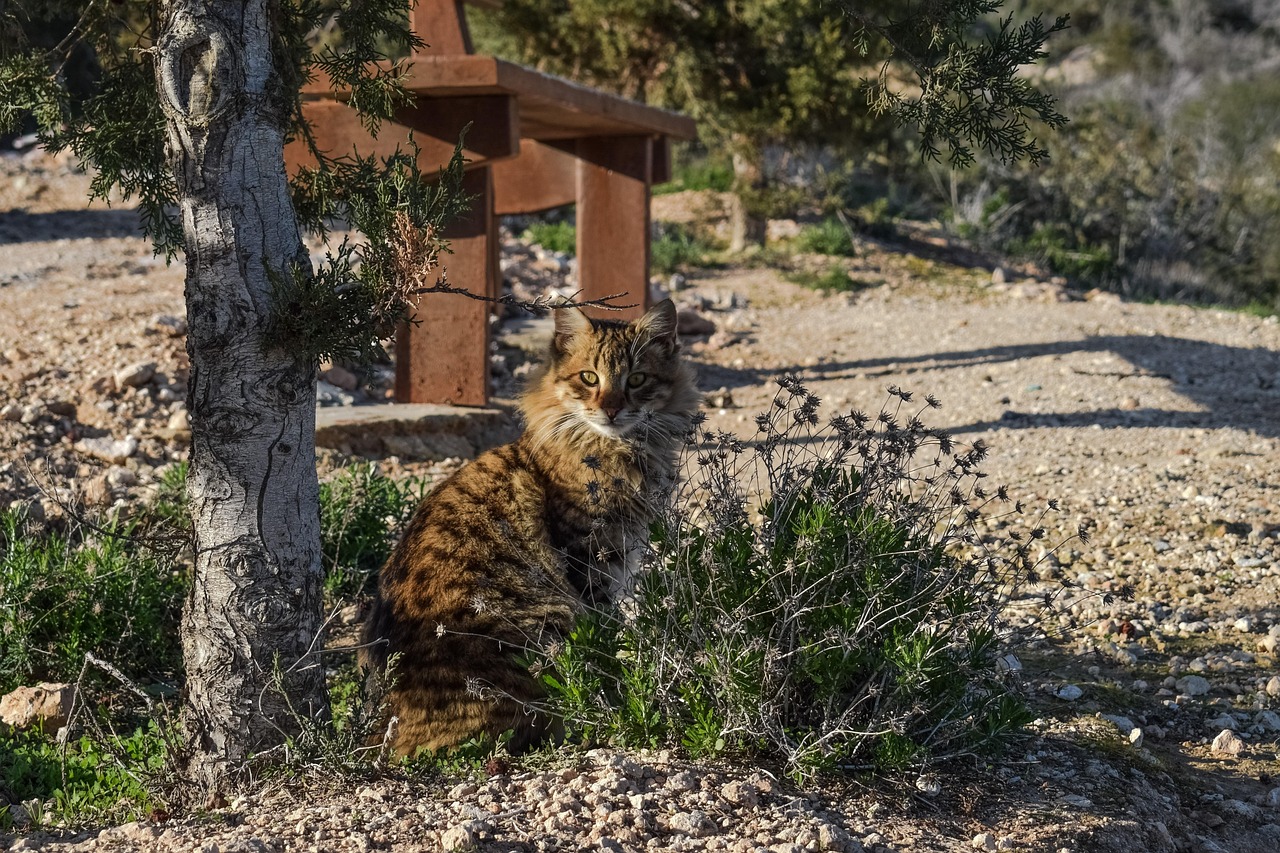

Understanding Feral Cat Behavior: An Introduction
Feral cats are fascinating creatures known for their elusive behavior and survival instincts. These cats typically live without human intervention, forming colonies that can adapt to various environments. Their social structure is often matriarchal, with a dominant female leading the group. Unlike domestic cats, feral cats exhibit a unique set of behaviors driven by instincts honed through generations of survival. They are skilled hunters that rely on their keen senses to locate prey and avoid threats. Understanding these behaviors can shed light on their complex social dynamics and interactions. Observations indicate that feral cats communicate through vocalizations, body language, and scent marking. They establish territories, which are essential for resources like food and shelter. Their behavioral adaptations also reveal how they cope with human presence, often becoming wary and elusive. In exploring feral cat psychology, we can gain insights into their needs and challenges. This knowledge is crucial for implementing effective management strategies to ensure their well-being and minimize conflicts with humans. Educating the public about feral cat behavior can foster coexistence and promote humane solutions for their care and management.
Social Structure and Communication
Feral cats exhibit a distinctive social structure that primarily revolves around female cats, often referred to as queens. The queens dominate the hierarchy within a colony, which can consist of several related and unrelated individuals. This social organization is critical for survival, as it allows for cooperative hunting, protection of offspring, and sharing of resources. Males tend to have transient roles within these colonies, often leaving to find mates during breeding season. Communication among feral cats is multifaceted, employing vocalizations, physical gestures, and scents to convey important messages. Vocal sounds range from hisses to low growls, each signaling distinct emotions or intentions. For instance, a high-pitched yowl often indicates distress or mating calls, while growls assert territory or dominance. Physical body language, such as arching the back or a puffed-up tail, serves to communicate fear or aggression. Scent marking plays a significant role as well, with cats using urine, feces, and glandular secretions to mark territory and convey reproductive status. Understanding these social interactions is vital for effective management and intervention measures. Observers can appreciate their complex relationships by observing their communication styles.
Feral cats often exhibit territorial behaviors that are deeply ingrained in their survival instincts. Their territories can vary significantly in size, depending on food availability and environmental factors. Highly resource-rich areas might have smaller territories, while regions with limited resources can lead to larger roaming behaviors. These territories not only provide food sources, but also shelter and safety from predators, including humans. Feral cats will actively patrol their territories, assessing for any intruders or changes in their environment. They communicate territorial boundaries primarily through scent-marking, which includes both urine and facial glands. Scent marking is a way of establishing dominance and warning off other cats. When multiple feral cats inhabit the same area, conflicts can arise, leading to aggressive encounters. In these situations, it is crucial for observers to understand that such behaviors are natural and necessary for their survival and social structure. In moving forward, fostering an environment that recognizes these behaviors can promote humane strategies for managing feral cat populations. Communities can implement TNR (Trap-Neuter-Return) programs to help manage populations effectively while ensuring the health and social needs of the cats are met.
Hunting and Feeding Behaviors
Hunting is an instinctive behavior for feral cats, and they are extremely proficient hunters. They primarily prey on small mammals, birds, and insects, utilizing stealth and patience to capture their meals. A feral cat may spend hours stalking, hiding, and waiting for the perfect moment to pounce on its unsuspecting prey. Their hunting techniques often rely on a combination of acute senses, including sight and hearing, allowing them to detect even minor movements. Unlike domestic cats, feral cats hunt primarily for survival, making their hunting abilities crucial for sustaining themselves. Feeding often takes place during dawn and dusk, times when their prey is most active. The availability of food sources is a significant determinant of their colony’s social structure and dynamics. It’s important to note that feral cats may also scavenge human food sources when prey is scarce. However, indiscriminate feeding can lead to obesity and health issues. Addressing feral cats’ dietary needs calls for responsible management that includes community education. By understanding their natural hunting behaviors, we can better support their well-being and implement humane management practices.
Feral cats exhibit unique maternal behaviors that reveal their strong instinct to care for their young. Queens often give birth in hidden locations that provide safety, such as abandoned buildings or dense vegetation. These secluded spots are crucial for protecting kittens from potential threats, including other animals and human disturbances. After giving birth, mothers nurse their kittens, providing essential nutrients for development. They engage in frequent cleaning and grooming to maintain health and comfort. It’s fascinating to observe how mothers teach their kittens vital survival skills, from hunting techniques to social interactions. Kittens typically remain with their mothers for several months, learning the intricacies of their environment during this formative period. Additionally, the presence of other adult cats often aids in communal rearing, assisting the queen in protecting and nurturing the young. Understanding the dynamics of feral cat maternal care contributes to our knowledge of their reproductive success and longevity. Community initiatives aimed at supporting feral cat colonies should consider these behaviors. By ensuring safe environments for breeding and raising kittens, we can improve the well-being of both the queens and their offspring, fostering healthier populations.
Adapting to Human Environments
Feral cats have shown remarkable adaptability to living in human-dominated environments. Urban areas often provide ample hunting opportunities through populations of rodents and birds, despite also presenting various challenges. Feral cats can frequently be found in parks, parking lots, and residential neighborhoods, utilizing their keen instincts to navigate these spaces effectively. However, their proximity to human activity can lead to increased risks, including vehicle accidents and exposure to diseases. Many feral cats utilize shelter under porches or in garages to avoid harsh weather conditions, demonstrating their ability to modify their habits based on environmental factors. Rather than seeking close interaction with humans, feral cats tend to observe from a distance, remaining cautious but curious. Community involvement is essential in creating safe spaces for feral cats. Programs that include feeding stations and emergency shelters can help mitigate risks and ensure their well-being. Furthermore, fostering positive human-cat interactions can lead to better coexistence. Understanding and respecting their natural behaviors enables communities to find ethical solutions in managing feral cat populations while considering their social and environmental needs.
Finally, understanding feral cat behavior is essential for fostering a balanced human-feline relationship. Educating the public about their instincts, social structures, and survival strategies can break down myths surrounding these often-misunderstood creatures. Responsible management requires community engagement, knowledge, and empathy for their needs. Initiatives such as TNR programs promote population control while also improving the overall health of feral cats. Advocacy for educating residents about proper feeding and shelter provisions can significantly enhance the well-being of these animals. By sharing insights into feral cat psychology, we can encourage humane strategies that benefit both the cats and local communities. Awareness promotes compassion for feral colonies, encouraging respect and better cohabitation within shared environments. Local authorities can also play a vital role in developing policies that protect feral cat populations while considering public safety and health. Creating a harmonious coexistence is possible with collective efforts toward understanding and accommodating these resilient animals. Thus, as we further explore their behaviors, we unlock opportunities for promoting peace between feral cats and humans, ensuring that both can thrive.