
The Wild Within: Rescued Cats Rediscovering Life Outdoors
In today’s world, the journey of a rescued cat transitioning back to the wild can be heartwarming. Many of these cats, often abandoned or stray, have unique stories. Their resilience is remarkable as they adapt to the challenges posed by the harsh outdoors. These stories reveal their intrinsic survival instincts, honed by nature. Upon their rescue, these cats exhibit fear and confusion, but once they acclimate, something extraordinary happens. They reconnect with their natural desires, showcasing behaviors reminiscent of their ancestors. These cats, once confined, rediscover joy roaming freely again. Owners engaging in fostering believe it’s essential to respect their autonomy during this phase. A successful reintroduction involves patience, understanding, and monitoring. Over time, they cultivate hunting skills, reconnect with the wild essence, and sometimes form bonds with other feral cats. Safety, however, remains paramount as they face potential dangers. Each cat’s escape from confinement stands as a testament to its indomitable spirit, revealing the unbreakable instinct within them to thrive in the wilderness. The blend of rehabilitation and instinct creates a success story, inspiring others to contribute positively to feline lives.
The Process of Reintroducing Cats to Nature
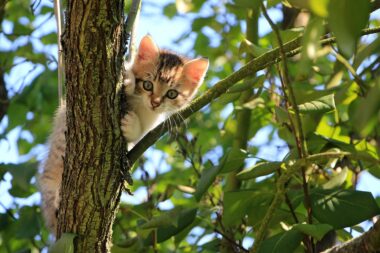
The reintroduction of a rescued cat to its natural habitat necessitates specific strategies. Various factors influence this, including age, health, and prior experiences. In general, the process begins indoors, familiarizing the cat with humans and their new environment. Slowly transitioning to outdoor exposure ensures the cat acclimates without overwhelming anxiety. Outdoor conditions present both excitement and threats; thus, creating a safe space is vital. Initial exploration should be limited to specific areas. Gradually, they can venture farther, exploring diverse surroundings. Observation aids in assessing comfort levels, which varies from one cat to another. Some adapt quickly, while others may take longer to feel secure. Feral cats often instinctively understand how to navigate the wild, demonstrating innate skills through observation. Watching a cat rediscover its wild instincts is exhilarating. The thrill of climbing trees, stalking insects, or chasing leaves reveals its joyful rebirth into nature. Adopting a tailored approach ensures their safety while encouraging the reclamation of natural behaviors. Rescued feline instincts can flourish, fostering a profound connection to their wild heritage, highlighting the significance of empathy in the rescue process.
One fascinating aspect of felines is their ability to communicate with the world around them, especially when transitioning into freedom. A rescued cat may initially appear quiet, but its body language tells a deeper story. Signs like raised tails or varied vocalizations reveal its moods and comfort levels. The reintroduction experience becomes an adventure as they navigate this new freedom. Some cats may leap and dash with enthusiasm, while others cautiously probe their environment. It is essential to recognize these varied responses, as patience is vital in helping them feel secure. Exploration becomes a pivotal aspect; many will establish their territory, marking scents that outline their newfound domain. Such behaviors affirm their right to reclaim their space. Additionally, establishing boundaries becomes crucial, ensuring that the environment provides safety from potential predators or hazards. Understanding these dynamics offers insight into feline psychology and their natural instincts. In time, caregivers can witness how these behaviors embody the essence of what it means to be a cat. There is undeniable beauty in allowing these fantastic beings the freedom they deserve, resonating with their authentic nature.
The Emotional Journey of Rescued Cats
The emotional journey experienced by rescued cats cannot be underestimated; it is both complex and transformative. Many cats arrive at shelters bearing psychological scars from past traumas, marking their personalities with unique traits. This includes fear of unfamiliar sounds or hesitance towards human interaction. Nevertheless, as these cats enter fostering programs, their transformation begins. Building trust is a gradual process; the bond formed between the cat and caregiver generates a sense of security. Continuous interaction helps alleviate anxiety, allowing the cat to explore its surroundings more freely. An essential phase within this evolution involves observing their unique personalities unfold. Initially reserved, they may eventually display affection, engaging more with their human companions. This shift showcases the remarkable capacity of cats to heal, demonstrating immense resilience amid challenging experiences. Observing them reclaim joy is deeply rewarding, reminding caregivers of the importance of patience and understanding. Every small step signifies growth, embodying both struggle and victory. These narratives highlight the profound impact of second chances on the lives of these amazing creatures, fostering hope for future rescues. It simultaneously reinforces the importance of compassion within animal rescue communities.
Furthermore, charitable organizations play a crucial role in shaping the journeys of these rescued cats. These groups focus on providing resources that advocate for feline well-being, including spaying, neutering, and fostering initiatives. Community involvement is essential, as it supports various programs dedicated to helping cats transition into safer environments. Many organizations share success stories through social media platforms to raise awareness for future adoptions. Highlighting individual journeys captures hearts and encourages participation in foster programs or sponsorships. The heartwarming stories of rescued cats build empathy among potential adopters. Mentioning the unique personalities of the cats encourages more to consider adoption instead of purchase. This awareness instills hope and motivates people to take action, transforming lives in the process. Such initiatives reinforce the idea that every cat deserves a chance at a loving home while gaining freedom in the wild. Moreover, they serve to educate the public about the need for responsible pet ownership and the importance of spay/neuter programs. Preventing overpopulation increases the chances that no cat shall face abandonment again, leading to healthier feline populations, better communities, and a thriving environment.
Success Stories of Cats Released into the Wild
Several inspiring success stories have emerged from the dedication of rescue organizations. One captivating case features Whiskers, a once-timid tabby who spent months at a local shelter. Rescued from harsh conditions shortly after he was born, his rehabilitation journey mirrored many other cats. Upon being released into a monitored wild area, Whiskers quickly adapted, finding companionship with local feral cats. This unexpected bond gave him both confidence and security as he embraced his adventurous spirit. As weeks passed, volunteers documented his astonishing transformation through social media updates. Whiskers became a well-loved community figure, showcasing the beautiful blend of a past filled with hardship and a future of opportunity. Such success stories illustrate the powerful impact of community involvement. Inspired by Whiskers, multiple adopters came forth, sharing stories of their rescues and triumphs. These narratives underline the significance of allowing cats to reconnect with their wild roots while simultaneously providing safety. The heartwarming outcomes motivate Rescue Organizations to continue their vital work, propagating strong community values centered around the welfare of all companion animals, fostering health and happiness.
In conclusion, the journey of rescued cats rediscovering their wild spirits encompasses more than mere survival; it reflects profound resilience, connection, and healing. The multi-faceted process involves community, empathy, and compassion to nurture their beginnings outside of homes. As we recognize the importance of these feline transformations, we highlight the richness of their stories, unveiling the beauty of their wild instincts. Emotional connections formed between cats and humans act as bridges towards their healing journeys. Each successful reintroduction stands as a testament to the transformative possibilities that arise when animals are met with understanding and support. It becomes an ongoing conversation about the significance of honoring their autonomy. Wildlife advocates must strive towards developing richer programs, placing emphasis on safety while ensuring these cats navigate their newfound independence healthily. Raising awareness about the plight of strays can lead to broader societal solutions, providing a cohesive approach towards tackling issues surrounding feline overpopulation. Ultimately, these efforts serve to celebrate the wild within and elevate the collective consciousness, contributing towards a brighter future for the relationships we hold with the beings who share our world.