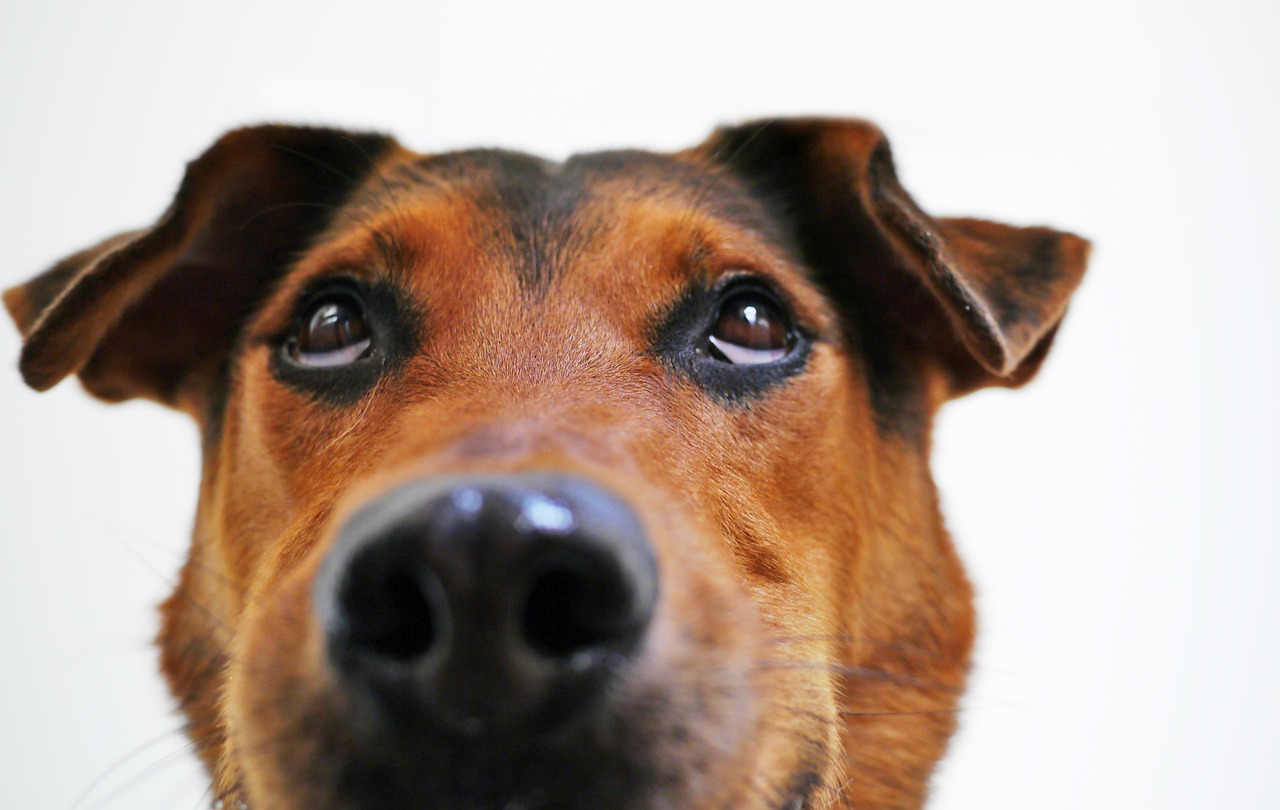

Happy, Anxious, or Afraid? Interpreting Dog Emotions Visually
Understanding canine emotions through facial expressions is crucial for any dog owner. Dogs communicate their feelings visually, and it is essential to recognize these signs to create a better bond. By observing a dog’s facial movements, you can learn to identify whether they are happy, anxious, or afraid. Happy dogs often exhibit relaxed ears, bright eyes, and a wagging tail, signaling comfort and joy. Conversely, anxious dogs may display signs such as tucked tails, lowered ears, and furrowing brows, indicating discomfort. Afraid dogs often appear more extreme, with wide eyes and a tense body posture. Recognizing these differences helps owners adjust their responses to their dogs appropriately. Additionally, understanding facial expressions minimizes misunderstandings, enhancing communication between the owner and dog. Learning to interpret canine body language can significantly improve your relationship, enabling better care and training routines. Every gesture can communicate a subtle message, and recognizing them fosters empathy. Paying close attention to these signals is a critical part of responsible pet ownership, ensuring a harmonious living environment. Ultimately, your expertise in reading dog emotions will create a safer and happier life for your dog and you.
A key factor in interpreting dog’s emotions is understanding their ears. Ears can express a range of feelings, and their position reveals much. Happy dogs typically have their ears up and relaxed, while anxious ones flatten their ears back against their heads. Dogs that are frightened may pull their ears backwards tightly, akin to trying to hide them. It’s also important to examine tail behavior; a wagging tail might denote happiness, yet subtle differences matter. A high, fast wag typically indicates excitement, however a slow, low wag can suggest fear or uncertainty. Additionally, looking closely at vocalizations alongside facial expressions provides context. Whining or growling can coincide with their visual cues about how they feel at that moment. Moreover, the overall tension in a dog’s body can be telling; a rigid stance coupled with facial expressions often signals distress or fear. To decode emotions accurately, it’s beneficial to consider the entire package of signals rather than just focusing on one part. Observing these aspects helps establish a richer comprehension of canine emotions and ensures responsible and informed pet interactions.
The Role of Eye Contact in Canine Communication
Eye contact is another powerful component in understanding dog emotions. Dogs can express emotions through their eyes, conveying affection, excitement, or even horror. Direct eye contact may indicate a challenge or threat, often eliciting anxiety. A dog that looks away or softens its gaze might be demonstrating submission or an attempt to diffuse tension. Conversely, relaxed eyes communicating happiness will often sparkle, mirroring the owner’s emotion. Observing how long a dog maintains eye contact can also yield insights; brief moments might exhibit curiosity, while prolonged stares could suggest stress or discomfort. Additionally, the way a dog blinks relays messages. Rapid blinking can suggest tension, while slow blinks signify trust. Understanding these nuances allows owners to respond to their dog’s needs. Engaging them when their expressions are bright and inviting makes them feel safe. It’s essential to foster this trust by behaving positively while interpreting their gaze. Building this connection through understanding emotions paves the way for enriched experiences for both pet and owner, ultimately creating a more fulfilling partnership.
Another critical element to consider in canine facial expression analysis is the mouth. The position and movement of a dog’s mouth can reveal a lot about their emotional state. A dog displaying a relaxed, open mouth creates a ‘smiling’ face, indicative of happiness and comfort. If you observe a closed mouth with tense lips, this could signal a state of anxiety or fear. Additionally, a dog that shows its teeth without growling may be exhibiting a submissive grin, not aggression, showing that they feel threatened but are not hostile. This difference can dramatically change how owners should respond. Bared teeth can also reveal discomfort; understanding this allows for prompt interventions. Checking for lip licking can reflect nervousness, indicating the dog is stressed or feeling uneasy. By paying close attention to the mouth area alongside other signals, pet owners can gauge their dog’s emotional state more accurately. Comprehensive interpretations of these facial markers prevent miscommunications and improve interactions, ultimately leading to more effective training and a happier coexistence at home.
Body Posture and Its Relation to Emotions
In addition to facial features, dog body posture plays a vital role in decoding emotions. Dogs demonstrate their feelings through their entire body, not merely through facial expressions. An approach can be relaxed and inviting, indicating a happy interaction, whereas a stiff body and stillness might reflect fear or aggression. Observing how a dog carries itself is integral; a dog that stands tall with a high tail is confident and at ease, while a crouched posture with a low tail often indicates fear or submission. When interpreting a dog’s body language, consider both the context and the dog’s overall behavior. For example, a playful dog will often leap and bounce, indicating eagerness, while a fearful dog may attempt to retreat or hide. Moreover, aggressive postures may also accompany rigid stances paired with low growls. Understanding all elements of body language helps create an effective communication channel between the owner and the dog. Learning to effectively read body postures guarantees a safer environment, reducing instances of miscommunication and making interactions more rewarding for both parties.
Using tools such as videos or books about canine body language can enhance your ability to interpret these emotions. Engaging with expert literature helps you visualize and understand the various expressions and postures that dogs exhibit. This resource gives clear images, often highlighting subtle differences between emotions, aiding interpretation skills. Additionally, watching training resources can teach you how to respond to these emotional signals effectively. Sharing experiences with fellow dog enthusiasts or professionals can also provide practical insights. Communities and forums allow discussions about emotional responses and behaviors. Real-time observations solidify learning, offering more context to abstract concepts. Implementing this knowledge in real-life scenarios improves your empathy towards your pet. Becoming proficient in interpreting dog emotions will enhance your relationship and enrich training efforts. Observing a dog’s reaction during intensive play, for example, can provide valuable feedback. Dogs need emotional guidance, which owners must provide. Investing time in understanding these dynamics ultimately leads to a more harmonious partnership, filled with love, trust, and mutual respect.
Conclusion: Advocating for Canine Emotional Understanding
Advocating understanding of canine emotions helps every dog owner provide a better life for their pets. When you learn to read your dog’s facial expressions and body language, you unlock deeper communication pathways. This understanding fosters trust, reduces stress, and creates a nurturing environment for your dog. It ensures that you recognize when your dog is enjoying themselves or when there are issues requiring intervention. Additionally, being attuned to your dog’s emotions enhances your training methods, allowing a more positive experience for both parties. As owners become more skilled in their interpretation techniques, dogs respond better to cues and commands. A happy dog is more obedient, making training more effective. Moreover, such knowledge decreases the likelihood of aggressive scenarios; understanding fear signals can prevent escalating tension. Owners should take the time to immerse themselves in this subject through observations and research. Every effort made to comprehend dog emotions is a step toward a better life for both. Hence, investing time and energy in interpreting these signals pays immense dividends in creating a loving, understanding, and safe relationship between dogs and humans.
In the world of canine psychology, learning to read and interpret dog emotions enhances the owner-pet relationship. Understanding your dog can prevent misunderstandings and foster a harmonious coexistence. Becoming proficient in canine emotional interpretation also aids in providing better care and training. Dogs thrive in environments where their emotional needs are met and understood, as this promotes a sense of security. Content dogs are more likely to showcase positive behaviors like obedience and playfulness. Conversely, when owners overlook emotional cues, behavioral issues may arise, leading to stress and confusion. Investing in the knowledge of the language of dogs allows for a healthier, happier partnership. Every owner should strive to enhance their ability to interpret their dog’s feelings, as it significantly impacts the life of both the pet and the owner. Engaging proactively in learning about canine behavior generates numerous benefits. Ultimately, a well-rounded understanding of your dog’s emotions prepares you to respond thoughtfully and compassionately, addressing their needs promptly. Working together, both owner and dog create a bond built on trust, ensuring a shared experience of joy and companionship. Your journey into understanding canine psychology opens doors to a whole new world.