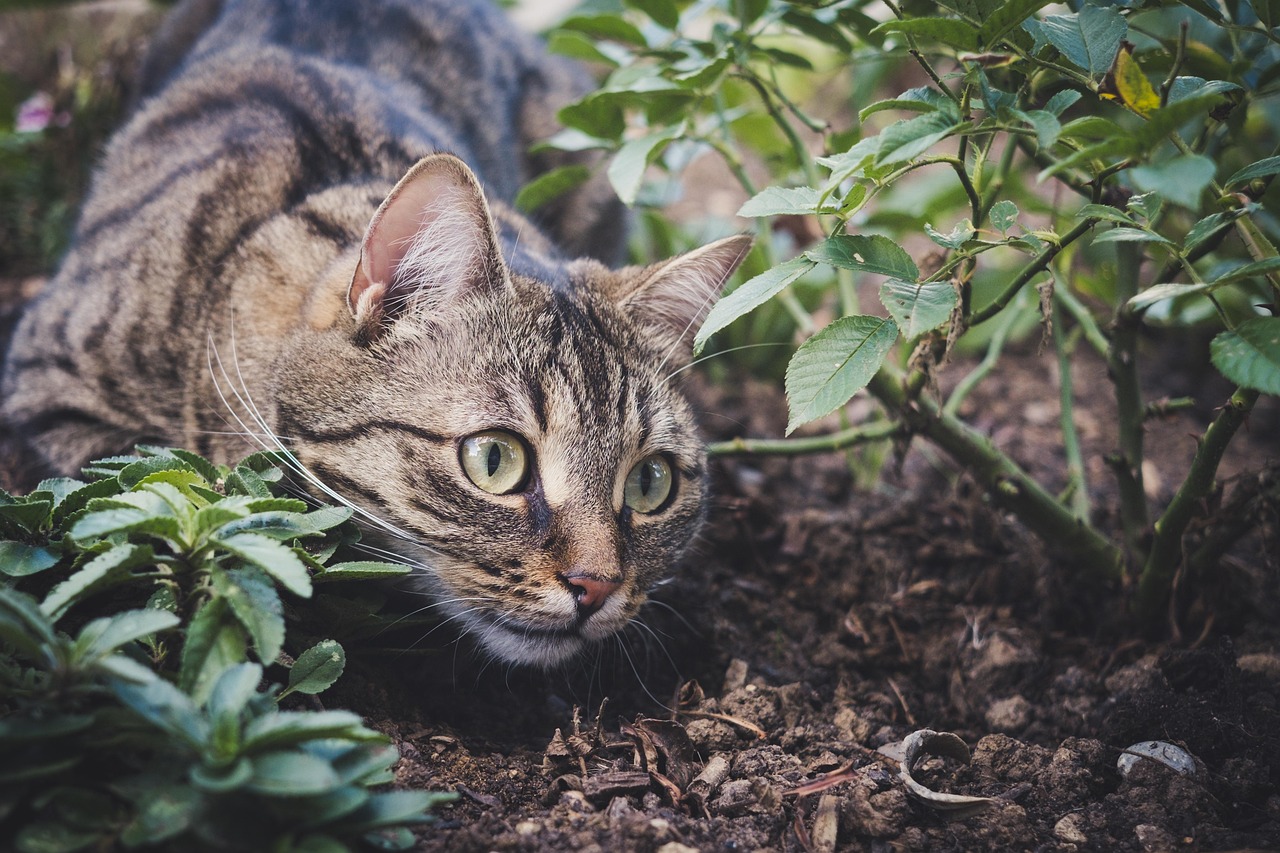

How to Protect Your Cat from Outdoor Hazards During Socialization
Socializing your cat to outdoor environments can be a rewarding experience, but it comes with several risks. Many natural hazards can pose threats to your pet’s safety and well-being. One significant danger includes other animals that may provoke your cat or even cause harm. Furthermore, wild animals can carry diseases that are harmful to domesticated pets, making it essential to monitor their surrounding environment carefully. In addition to wildlife, urban settings pose unique challenges, such as bicycles, vehicles, and unpredictable weather changes. Cats are naturally curious creatures, but their curiosity can lead them to investigate potentially dangerous situations. Keeping your cat leashed or in a secure carrier during outdoor exploration can protect them from these hazards. Training your cat to respond to commands and teaching them about boundaries will make your outings more enjoyable. Consider consulting with a veterinarian for advice on vaccinations to safeguard your cat against specific outdoor threats. Ultimately, the goal is to implement effective safety measures while allowing your cat to enjoy the benefits of socialization and enrichment. Outdoor exposure should be a positive experience, fostering happiness and confidence in your feline friend.
One of the first steps in safely socializing your cat in outdoor environments is to choose the right equipment. Invest in high-quality harnesses and leashes specifically designed for cats. A proper harness ensures that your cat cannot slip out and escape into potential danger zones. Lightweight, comfortable materials allow for flexibility, making your cat feel less restricted. Additionally, utilize a leash that is the correct length: neither too short nor too long. This length will facilitate exploration while maintaining control over your cat’s movements. To further enhance safety, always attach an ID tag to your cat’s collar with your contact information. Even the most cautious pet can get loose, and quick identification will help ensure a safe return. Reflective elements can also be helpful for nighttime outings, increasing visibility to avoid accidents. Additionally, consider using a breakaway collar to prevent injuries in case your cat gets caught on something. The right equipment can significantly minimize risks, allowing your cat to enjoy the freedom of outdoor experiences while offering you peace of mind. Making sure your feline receives adequate support will ultimately foster a more positive bonding and learning experience.
Preparing Your Cat for Outdoor Socialization
Prior to taking your cat outside, it’s essential to prepare them physically and emotionally. Start by introducing your cat to the outdoor surroundings gradually, allowing them to acclimate to the sights and sounds. Begin with a secure area, such as your garden or patio, where your cat can safely explore without much interference. Familiarizing them with this new environment helps reduce potential anxiety and fear. Positive reinforcement techniques can help, rewarding your cat with treats, praise, or playtime as they maintain calm during these initial outings. Consider engaging with them with their favorite toys to create positive associations with outdoor experiences. Monitoring their reactions during these introductory sessions allows you to identify any signs of distress. Should your cat appear uncomfortable, take a step back and provide a space to relax until they feel secure to explore again. Consistent and gentle exposure will encourage your cat’s confidence, paving the way for future outdoor adventures. Socialization should be built on trust and acceptance, ensuring that your cat feels rested and essentially enjoys the process. Reinforcing these steps ensures that outdoor socialization remains a rewarding and enriching experience.
Creating a safe environment is crucial while socializing your cat outdoors. It is essential to inspect the area for potential hazards that could cause injury or distress. Remove any sharp objects, toxic plants, or hazards that could present a choking risk. Outdoor spaces might also contain substances unsafe for your cat, such as fertilizers or chemicals, so check for signs of pesticide use. Keeping your yard clean and free of debris not only ensures your cat’s safety but also offers a more enjoyable exploration experience. If your cat is sociable, it may encounter unfamiliar animals during its outdoor journey. Always supervise their interactions and be prepared to intervene if tensions arise. Maintaining a safe distance from aggressive animals or overly boisterous dogs will help mitigate stress or accidents. Additionally, familiarize yourself with local wildlife that may inhabit your area, such as snakes or birds of prey, which could pose threats. Being proactive and vigilant when creating a secure outdoor environment will significantly contribute to a positive socialization experience for your cat. The goal is a serene adventure, allowing exploration while safeguarding your furry friend.
Recognizing Signs of Stress in Your Cat
While socializing your cat outdoors, it’s vital to recognize signs of stress. Cats can exhibit various behavioral changes when they feel overwhelmed by their surroundings. Signs of anxiety may include excessive grooming, hiding, or sudden aggression. Your cat may also vocalize more than usual, signaling discomfort or fear in new settings. Observing their body language can provide additional insights; ears pinned back, hissing, or a twitching tail typically indicate distress. If you notice signs of discomfort, it’s crucial to take immediate action to ease their stress. Creating a calm environment may involve retreating to a quieter space and allowing your feline to acclimate gradually. Using positive reinforcement to entice your cat with treats or affectionate petting can help alleviate anxiety. Patience is essential; pushing your cat to interact before they are ready may cause long-lasting aversions. Additionally, consider implementing short, frequent outings, gradually increasing their duration as your cat becomes more comfortable. Monitoring your cat’s emotional state and ensuring they feel secure will ultimately enhance the joy they encounter while socializing outdoors.
Understanding seasonal hazards is vital for keeping your cat safe during outdoor socialization. Each season presents unique challenges, which pet owners must be ready to address. In summer, heat stress can be a concern, as cats are sensitive to excessive temperatures. Providing shade and plenty of fresh water helps mitigate this risk during outings. During autumn, fallen leaves can hide potential dangers like sharp branches or toxic mushrooms. Be aware of these risks and monitor your feline while they explore. Winter can pose icy hazards; paw injuries from snow or salt used for de-icing can cause unnecessary pain. Protecting your cat’s paws by inspecting them regularly can help prevent discomfort during walks. Spring brings out a variety of allergens, which can trigger allergic reactions or respiratory issues when cats are exposed to pollen or other irritants. Swapping the outdoor environment during peak allergy seasons may be wise for certain cats. Being aware of these seasonal hazards, while creating a tailored socialization plan that addresses potential challenges, will foster a safe and enjoyable outdoor experience for your beloved pet.
Conclusion on Safe Outdoor Socialization
Successfully socializing your cat to outdoor environments requires careful planning and consideration. By implementing safety measures, such as appropriate equipment, environmental checks, and practicing patience, your cat will gradually adjust to the outdoors while feeling secure. Recognizing signs of stress and seasonal hazards will enable you to maintain a safe atmosphere where your cat can thrive. Gradually introducing your cat to this new experience while allowing them the autonomy to explore will foster confidence, curiosity, and overall well-being. Ultimately, enriching outdoor adventures help develop a deeper bond between you and your cat. Socializing outdoors provides stimulation and can significantly reduce boredom-related behaviors often found in indoor cats. Make safety and comfort prioritize when venturing outdoors together, ensuring both you and your cat enjoy the experience. Remember that each cat is unique, and their speed and willingness to adapt will vary. Celebrate small victories along the way and create cherished memories as your feline friend explores the vast outdoor world. Adopting these practices ensures that outdoor socialization remains an enjoyable journey for both of you, resulting in lasting happiness.
Ultimately, the process of socializing your cat to outdoor environments should be a rewarding experience that fosters enjoyment and confidence. Following the guidelines elaborated in this article will enable you to create a safe and fulfilling journey for your feline friend.