
Preventing Hairballs Through Regular Grooming Practices
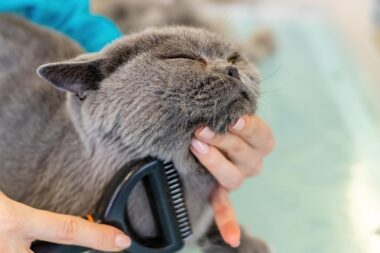
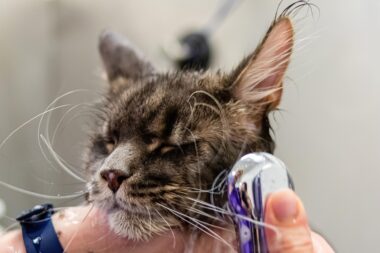
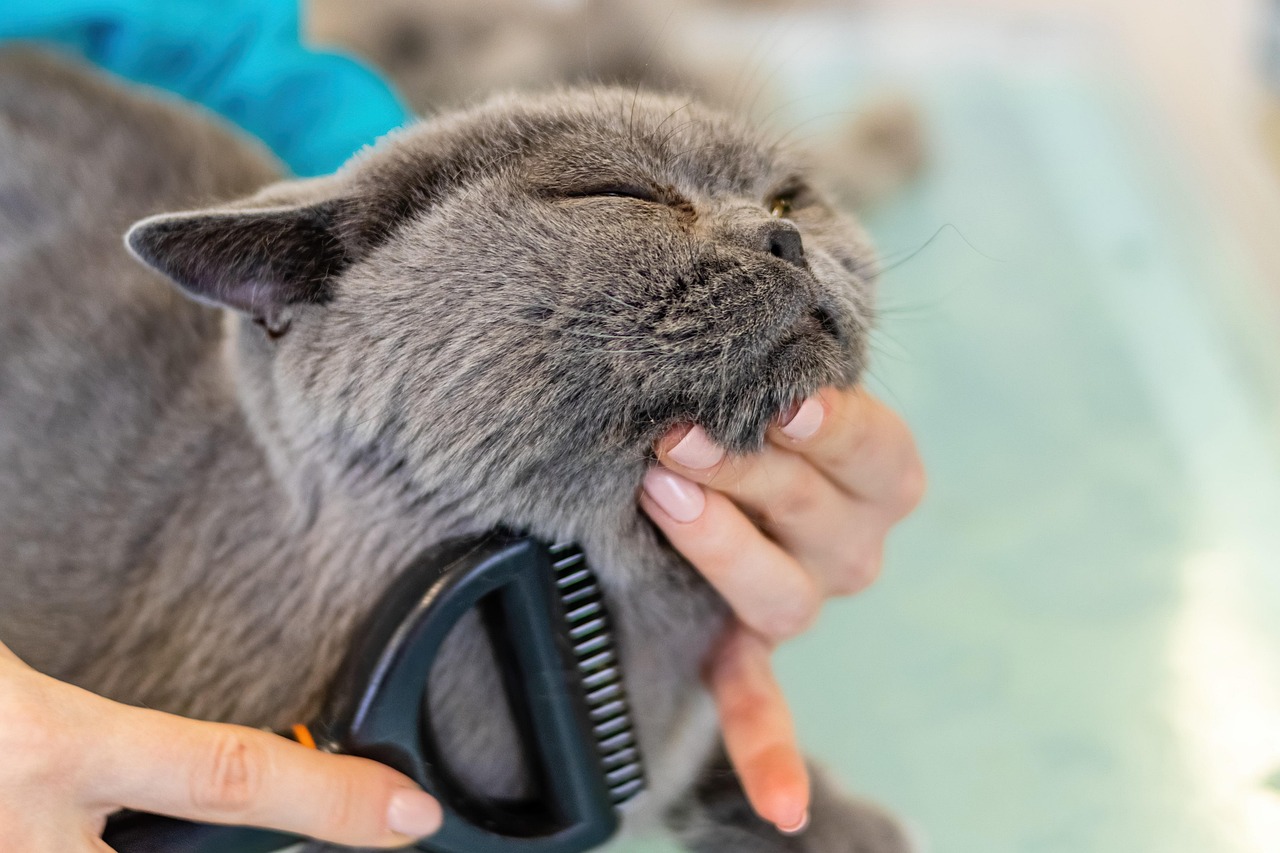
Grooming your cat is essential for both their health and your home environment. Regular grooming can dramatically reduce the incidence of hairballs, which are not only unpleasant but can also lead to health issues for your feline friend. Different cat breeds have varying grooming needs, so knowing what works best for your cat is essential. Longhaired breeds, like Persians and Maine Coons, often require daily grooming to prevent mats and tangles. Shorthaired breeds, such as British Shorthairs or American Shorthairs, typically need less frequent grooming, but it still helps to remove loose hair. By establishing a grooming routine, you’re more likely to keep your cat’s coat healthy and shiny while significantly reducing the amount of hair they ingest during self-grooming. If your cat is not accustomed to grooming, introducing them gradually and using rewards can make the process smoother. Remember to use proper tools like brushes, combs, and even grooming gloves to suit your cat’s needs. Good grooming can stimulate blood circulation and promote better health overall, making it an essential aspect of cat ownership for all breed types.
One key aspect to consider when grooming is the tools used for different grooming needs. Combs are great for detangling and removing loose fur from long-haired cats, while bristle brushes are usually more effective for short-haired breeds. Regularly checking your cat’s coat during grooming sessions allows you to identify any areas that are matted or dirty. It’s also a chance to examine their skin for any irritations or fleas. Adapting grooming sessions to account for your cat’s comfort level is crucial. Some cats may enjoy grooming, while others may resist it; patience is vital. Keeping your cat calm with gentle strokes and soft words can help create a positive grooming experience. If your cat is sensitive or anxious, consider breaking the session into shorter intervals. The goal is to lessen the stress associated with grooming. Over time, your cat will become accustomed to the routine, allowing for more effective grooming with each session. Developing a strong bond with your pet during these grooming times can lead to a more enjoyable experience for both of you.
Observe your cat’s behavior during and after grooming. Noticing signs of discomfort or stress will help you adjust your approach. Cats can sense tension, so being relaxed yourself will contribute to their calmness. Additionally, grooming your cat limits shedding in your home by collecting loose hair that would otherwise end up on your furniture. If your home has multiple cats, regular grooming can help prevent the spread of hairballs amongst them, especially as cats often groom each other. If your cat is particularly resistant, try conducting grooming in a calm environment with minimal distractions. You may also want to experiment with different spots in your home to find the most relaxing place for both of you. Create a special grooming area with a comfortable surface and familiar scents, so grooming becomes a routine they look forward to rather than an obligation. This will enhance not only their grooming experience but their overall well-being. Remember, a well-groomed cat is healthier and more comfortable, which ultimately leads to a happy household.
Dealing with Hairball Issues
Hairballs can occur even with regular grooming, leading to inconvenient clean-up situations. However, there are several preventive measures that owners can take to minimize hairball formation. First, offering specialized cat food formulated for hairball control can be beneficial. These diets usually contain higher fiber content which aids in digestion and prevents hair from forming into balls. Additionally, ensuring your cat remains well-hydrated is crucial, as water plays a significant role in digestion and helps facilitate the passage of hair through their system. Providing access to fresh water at all times and encouraging drinking can significantly reduce hairball formation. Moreover, adding a regular regime of hairball prevention gel or treats as directed by your veterinarian can assist. Regular exercises during playtime not only improves your cat’s physical health but can also help with their overall digestive function. Keep in mind that while these strategies can help, monitoring your cat for excessive hairballs or symptoms of distress is essential, as it may indicate underlying health issues that require veterinary attention caused by chronic hairball development.
Other factors can affect hairball formation beyond just grooming. Your cat’s diet plays an integral role in their gut health and overall well-being. High-quality cat food rich in omega fatty acids promotes a shiny coat and limits shedding. Conversely, low-quality food can contribute to increased shedding and hairball formation. Frequent veterinary check-ups are essential to ensure proper nutrition and rule out any existing health issues. A healthy diet overall supports your cat’s immune system, ensuring good grooming practices work effectively. Environmental factors can also influence shedding rates; during seasonal changes, such as spring shedding, your cat may require additional grooming sessions. Adjust your grooming routine in response to these changes to ensure effectiveness and thoroughness. A consistent approach in grooming combined with diet optimization will lead to a smoother process in managing your cat’s coats and minimizing the inconvenience associated with hairballs in the home. Engaging with your vet about nutritional strategies can greatly enhance your understanding of your feline’s specific needs during these seasonal changes.
Choosing the Right Grooming Techniques
Each breed exhibits unique grooming requirements that should be taken into account. A fluffy Ragdoll will require a more extensive grooming routine compared to a sleek Siamese. Understanding the specific needs of your breed is vital for effective grooming. Cat owners should research their breed thoroughly to find appropriate grooming techniques that matches their grooming efforts with breed characteristics. Special attention should be given to areas prone to matting, such as behind the ears and under the legs for longhaired breeds. Tools like de-shedding devices can help minimize loose fur while maintaining coat health and shine. Regularly scheduled grooming sessions will also strengthen the bond between owner and pet, making the process more enjoyable for both parties involved. Owners with short-haired cats will find that while they require minimal grooming, they benefit from routine brushing to remove dirt and skin flakes. Providing a positive grooming experience in all cases reduces stress and anxiety associated with grooming, leading to better cooperation from your cat over time. Ultimately, understanding and catering to a breed’s specific needs produces better grooming outcomes and a happier kitty overall.
Finally, the aspect of grooming should not be underestimated in maintaining your cat’s overall health. Regular grooming sessions can lead to early detection of skin issues or lumps, which can be crucial for timely veterinary intervention. If owners notice unusual bumps, lesions, or changes in skin texture while grooming, it’s vital to consult a veterinarian for thorough checks. Grooming offers an ideal opportunity to assess your cat’s wellbeing closely. During these sessions, you should also be aware of any behavioral changes, as these can signal underlying health issues. Regular attention to grooming not only contributes to coat health but also enhances your bond with your cat. Many cats enjoy the attention and affection they receive during grooming, which can provide a sense of relaxation and trust. As an owner, providing a loving environment during grooming can make a significant difference in your cat’s behavior towards grooming in the future. With patience and the right techniques, grooming can transform from a chore into a cherished bonding time, yielding long-lasting benefits for your cat’s physical and emotional health over time.
To sum up, regular grooming practices tailored to specific cat breeds are important for preventing hairballs and ensuring a healthy coat. Different breeds respond uniquely to grooming techniques, and employing the right tools is critical. Grooming regularly limits shedding and helps identify potential health issues early. Owners should also factor in dietary needs, hydration, and exercise routines that further contribute to the overall reduction of hairballs. A commitment to understanding your cat’s specific breed can enhance the grooming experience and foster a stronger relationship between you and your pet. Implementing these tips can lead to healthier cats while minimizing hairball formation. Always be observant of any changes during grooming sessions and maintain regular communications with your veterinarian. They can provide additional insights into hairball management strategies tailored to your cat’s individual requirements. The result will be a joyful grooming experience, an improved environment in your home, and happier, healthier cats in the long run. Invest time and establish a grooming routine that works for your home and your beloved pets. The benefits will be clearly visible, leading to a contented home with satisfied feline companions.