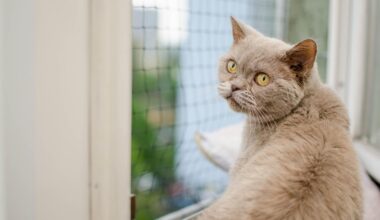

Treatment Options for Cats Diagnosed with Feline Immunodeficiency Virus
When a cat is diagnosed with Feline Immunodeficiency Virus (FIV), it’s crucial to carefully consider the treatment options available. While there is currently no cure for FIV, many strategies can improve the quality of life and longevity of infected cats. Primary focus should be on supportive care, which includes maintaining good nutrition, regular veterinary check-ups, and minimizing stress in the cat’s environment. The body’s immune system is severely affected, making it susceptible to other infections. Therefore, a balanced diet rich in nutrients is essential for overall health. Vaccines against common infections like feline leukemia may be recommended by veterinarians to further protect cats. Additionally, keeping the FIV-positive cat indoors can play a significant role in preventing the spread of viruses to other animals. Each cat’s condition is unique; thus, treatment plans should be tailored to individual health needs. It’s vital for caretakers to remain vigilant for signs of illness and report them to the veterinarian quickly. Regular blood tests can help monitor health status and identify potential complications early, which is important for the longevity of any affected feline.
In choosing treatment options for cats diagnosed with FIV, the management of symptoms plays a significant role. Cats suffering from this virus often experience various health issues, which can complicate their overall care. One approach is using anti-viral medications that can help support the immune system, although their efficacy may vary among individual cats. These medications, while not a cure, can assist in reducing viral loads and improving the immune response temporarily. In some cases, corticosteroids may be prescribed to help manage inflammation and provide relief from discomfort associated with chronic infections. Additionally, addressing dental issues is crucial since FIV-positive cats often suffer from periodontal disease. Maintaining oral health can prevent further complications that can exacerbate their condition. An emphasis should be placed on regular dental cleanings and veterinary check-ups. Long-term FIV-positive cats also require close monitoring for secondary infections, as their compromised immune systems are often the gateway to other diseases. Supportive treatments can include hormone therapy or immune boosters, tailored to the specific needs and conditions of each cat as determined by professionals.
Preventive Care for FIV-Positive Cats
Preventive healthcare measures are essential for managing a cat’s health once diagnosed with FIV. Since FIV compromises the immune system, regular preventive care can significantly enhance the longevity and quality of life. Routine veterinary visits ideally include vaccinations for diseases common among felines, notably feline leukemia, which can pose serious risks. Spaying or neutering FIV-positive cats is also recommended to prevent potential transmission and reduce behavioral issues. Maintaining regular health check-ups helps in early detection of any developing conditions. Good hygiene practices such as regular cleaning of food and water bowls, as well as maintaining a clean litter box, can minimize the chances of infection. Environmental enrichment should also be emphasized, as it helps reduce stress, leading to improved overall health. Provide a stimulating environment with various toys and engagement activities to keep them active. Also, limit contact with other animals to further protect them from additional infections. Some cat owners find that incorporating holistic approaches, such as herbal supplements or acupuncture, can help support their cat’s immune system, reinforcing the need for a personalized care regime.
In combination with traditional medications, certain supplements can enhance the treatment of FIV in cats. Some pet owners explore adding fish oil to their cat’s diet, as omega-3 fatty acids have anti-inflammatory properties that can help support immune function. Probiotics are also recommended, enhancing intestinal health and supporting the body’s natural defenses. These can help restore the balance of gut bacteria, a crucial factor in overall health for FIV-positive cats. It’s important to consult with a veterinarian before introducing any new supplements to ensure they are appropriate and beneficial. Another option to consider is the use of specific vitamins or antioxidants that may help boost the immune response. However, relying solely on supplements without proper veterinary oversight is not advisable. A veterinarian may suggest specific brands or formulations suited for FIV-positive cats, considering the disease’s complexities. Combining these supplements with a well-planned vaccination schedule and responsible preventive care translates to a holistic approach. Each component reinforces the health of a feline suffering from FIV, ultimately aiming to enhance their quality of life while managing disease progression.
Monitoring and Regular Vet Visits
Monitoring the health of an FIV-positive cat is an integral part of their ongoing care. Regular veterinary visits are essential for assessing their overall wellbeing and adapting treatment plans as necessary. Cats with FIV may not show symptoms initially, making regular check-ups critical for identifying any complications that arise. A veterinarian can conduct blood tests to evaluate the cat’s immune status and overall health condition. This proactive approach helps catch any emerging health issues early on, which can be crucial in their management. It’s also important for pet owners to keep a close eye on behavioral changes, and appetite, or any signs of illness. Maintaining an open line of communication with the veterinarian allows for better guidance in times of uncertainty. A well-informed pet owner plays a key role in raising a healthy, happy cat even when challenged by FIV. Notably, discussing any concerns or new symptoms with the vet can lead to timely intervention and care adjustments. Ultimately, a commitment to regular health monitoring can significantly impact the quality and length of an FIV-positive cat’s life.
While the primary goal of treatment is to improve the quality of life for FIV-positive cats, there are also considerations regarding their interactions with other pets. FIV is a transmissible virus primarily spread through bite wounds. It indicates the importance of proper introductions and socialization among pets. Keeping FIV-positive cats away from uninfected cats is crucial to avoid the risk of transmission, particularly in multi-cat households. If introducing an FIV-positive cat to other animals, it’s essential to ensure a gradual acclimatization process. Providing separate spaces and resources can help ease this transition, minimizing stress for all animals involved. Some pet owners opt for fostering FIV-positive cats independently to prevent risking the health of non-infected felines. Implementing safety measures can ensure a harmonious household while promoting the wellbeing of all cats. Moreover, educating other family members about the virus and its transmission is critical, creating a safe environment for the cat. Ensuring understanding and communication about FIV can lead to better living situations and can help elevate the care standards for FIV-positive felines.
In conclusion, a diagnosis of FIV in cats leads to various treatment strategies that carry the potential to enhance their quality of life. Although there is no cure for the virus, supportive care, nutrition, and regular veterinary check-ups serve as crucial components of management. Supplementing traditional treatments with probiotics and immuno-supportive dietary choices can enhance the immune response. Preventive care practices, particularly vaccinations and maintaining a clean environment, play a significant role in reducing secondary infections. Owners must stay vigilant about changes in their cat’s health, with regular monitoring and vet visits being important aspects of their ongoing care. Proper socialization and interactions with other pets further contribute to a positive living situation for these animals. Ultimately, it’s a combination of traditional veterinary medicine, supportive home care, and proper education that will allow FIV-positive cats to lead enriched lives. Investing in the health and well-being of these animals is not only beneficial for their comfort but also reinforces the bond between cat and owner, contributing to a fulfilling companionship.