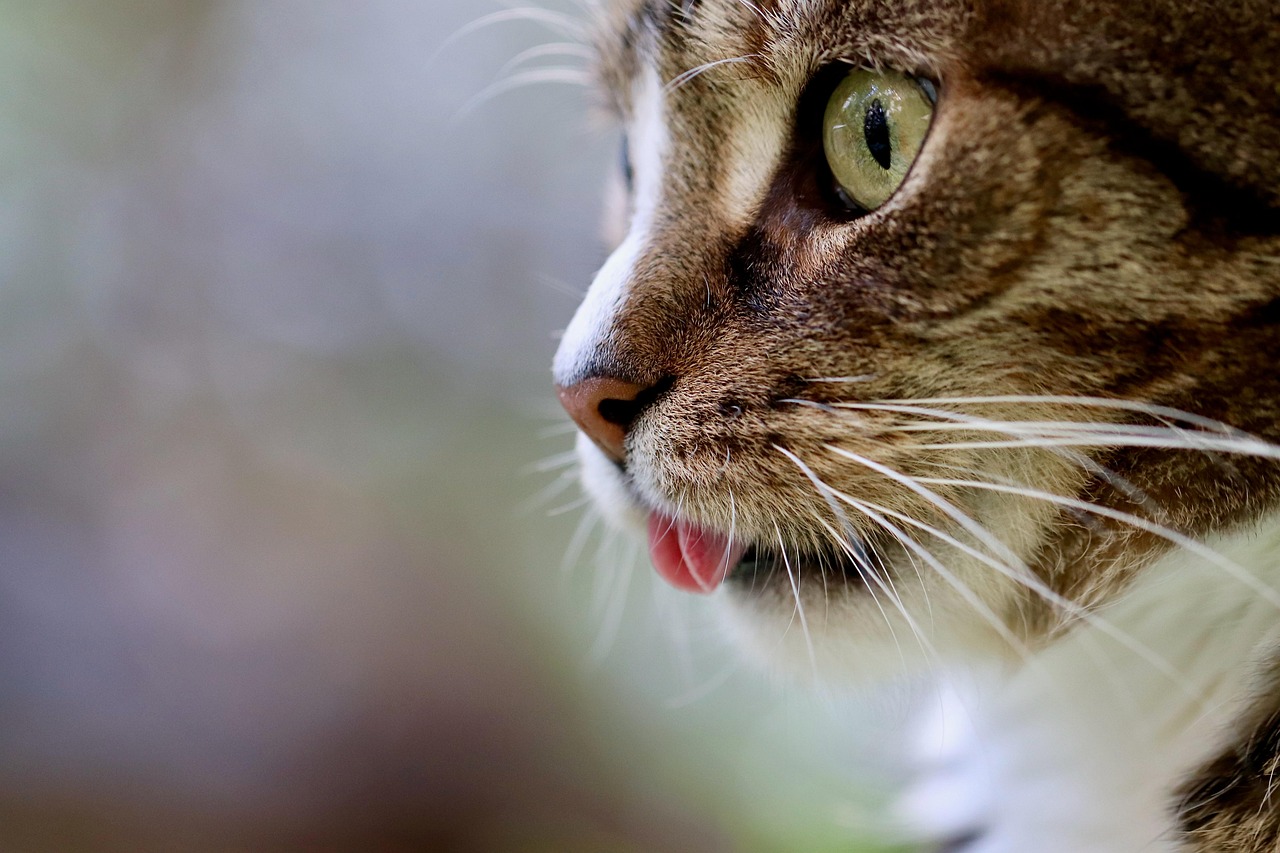

Protecting Your Cat: Dispelling Common Vaccination Myths
Vaccinations are essential for keeping your cat healthy and safe from various diseases. Unfortunately, misinformation can create confusion about cat vaccinations. One common myth is that vaccines are harmful to cats. This idea may stem from isolated incidents, but the vast majority of cats respond well to vaccines without adverse effects. In fact, vaccines help stimulate the immune system, making it more efficient at fighting infections. Cats, like people, can experience mild reactions, but these are usually temporary. When comparing the risks of vaccination against the benefits, the scales heavily tip toward getting vaccinated. Additionally, it’s important to consider how often a cat needs to be vaccinated. Some owners believe that once vaccination is done, it isn’t necessary again, but that’s a misconception. The protective effects of vaccines can wane, and regular boosters are crucial for continued protection. Regular check-ups with your veterinarian are essential to determine the vaccination schedule appropriate for your feline friend. Education on this topic will empower pet owners to make informed choices for their cat’s health. Consulting with a vet can clarify any concerns regarding vaccines.
The Importance of Vaccination
Many cat owners question the necessity of vaccines, believing their indoor cat is safe from disease. This myth overlooks several crucial factors. Indoor cats are not immune to diseases that can be transmitted through contaminated objects, insects, or even human clothing. For example, a single visit from an unvaccinated animal could pose a risk to your beloved pet. Vaccines are a protective barrier that help prevent infections that could be life-threatening. Some diseases, such as feline leukemia and rabies, can significantly impact a cat’s quality of life. Vaccination plays a pivotal role in preventing these issues, ensuring long-term health and longevity. Another misconception is that kittens should not receive vaccines until they are older. However, starting vaccinations at a young age helps establish immunity early on. Kittens begin losing passive immunity provided by their mothers, making timely vaccinations essential. Thus, pet owners must adhere to the recommended vaccination schedule provided by veterinarians. It is crucial to consider the broader community when vaccinating pets, as herd immunity can protect not just an individual cat but the entire feline population.
Some cat owners may express concern about the cost of vaccinations, perceiving them as an unnecessary expense. However, preventing disease through vaccinations can save money in the long run. Treating a sick cat can lead to significantly higher veterinary bills compared to the cost of a vaccine. Also, avoiding complications can extend your cat’s life while ensuring a happier and healthier existence. The notion that vaccinations are only necessary during the kitten stage is misleading. Adult cats require regular boosters to maintain their immunity. Without these boosters, the risk of disease increases significantly, which may lead to elevated veterinary expenses later. In particular, certain diseases can lead to serious or fatal health complications. Discuss with your veterinarian about the vaccination schedule tailored for your cat, addressing any concerns they may have. This collaborative approach helps build a relationship of trust with your veterinarian. Many pets experience anxiety during vet visits, so having regular check-ups becomes essential for early detection of health issues. Vaccination should be part of an overall health strategy, combining routine check-ups, dental care, and proper nutrition for your feline friend.
Addressing Concerns About Side Effects
It’s normal for pet owners to worry about potential side effects of vaccinations. However, the truth is that serious reactions are extremely rare, and most side effects are mild. Common reactions include slight fever and localized swelling at the injection site, which typically resolve within a few days. Understanding the statistics behind vaccine reactions can alleviate concerns. The benefits far outweigh the minimal risks involved with vaccinations. Research has shown that adverse reactions occur in about 1 in 10,000 vaccinations. This means that the chances of experiencing a serious side effect are incredibly low. Additionally, vaccination is a vital component in preventing outbreaks of serious diseases that can have devastating effects on feline populations. Vaccination leads to herd immunity, helping to protect not only your cat but also other cats in the community. It can be difficult to witness your cat experience discomfort after a shot, but remember that it is a small price to pay for long-term health. It’s essential to report any abnormal responses to your veterinarian. Open communication ensures that they can provide you with the best care possible while monitoring any unusual side effects appropriately.
Veterinarians stress the importance of staying informed about vaccination myths to ensure that pets receive the necessary care. Regular educational resources are available to help cat owners differentiate fact from fiction. For instance, some argue that natural immunity is better than vaccination, which is not entirely accurate. Natural immunity can come with significant risk, particularly for kittens who may not have adequate defense against serious diseases. Vaccines help prepare a cat’s immune system safely without exposing them to life-threatening situations. Additionally, there’s a belief that older cats should not be vaccinated, based on misconceptions about aging cats’ immune systems. In reality, many elderly cats are still candidates for vaccinations. Your veterinarian can assess your cat’s overall health and recommend an appropriate vaccination plan, even for senior felines. Moreover, public health organizations like the American Veterinary Medical Association (AVMA) provide comprehensive information on current vaccination standards. Staying up-to-date with recommended vaccinations is imperative for ensuring that your cat lives a long and healthy life. Utilizing educational resources, including articles and expert videos, can clarify misunderstandings surrounding vaccines while enhancing your understanding of your cat’s health.
Consulting Your Veterinarian
Pet owners should always consult their veterinarian when deciding on vaccinations for their cats. Every cat is unique, with distinct health needs depending on their age, breed, and lifestyle. A vet will create a comprehensive vaccination schedule based on these individual factors. In some cases, blood tests may be necessary to determine existing levels of immunity, allowing tailored vaccination protocols. This personalized approach addresses concerns and assures you of your cat’s health. Your veterinarian may also provide educational materials and resources to address certain myths surrounding vaccinations. Discuss any apprehensions you might have about vaccination, and your veterinarian can provide information that alleviates these fears. Establishing a consistent relationship with a veterinarian encourages an open dialogue centered on your cat’s health needs. Such discussions contribute to a well-informed pet owner capable of making health decisions that positively impact their pet’s life. Engaging in regular care routines beyond vaccination and incorporating preventative care measures creates a foundation for long-term health. It’s essential to keep in mind that preventative healthcare starts with awareness and commitment. The safeguard of vaccinations reinforces the overall well-being of your feline friend while bolstering community health.
In conclusion, dismissing common myths about cat vaccinations is crucial for ensuring pet owners make informed choices. Education plays a key role in promoting health within the feline community and protecting vulnerable cats. While some myths may arise from misplaced fears, factual information can offer clarity. Vaccines are vital for protecting cats from serious diseases and preventing outbreaks. Through the combined efforts of veterinarians, pet owners, and community awareness, we can significantly diminish the prevalence of these myths. Understanding vaccine schedules, potential side effects, and the myths versus facts can empower cat owners in their journey toward optimal health. Regular consultation with a veterinarian forms the backbone for proactive care, addressing concerns and creating a dialogue for optimal health practices. This is where community awareness comes to the forefront, fostering an environment that values factual knowledge over misinformation. As pet owners, we are responsible for providing the very best for our furry friends. Emphasizing the importance of vaccination supports not only individual cat health but enhances the well-being of the overall cat population. By championing vaccination, we uphold our commitment to providing a safe and vibrant community for our beloved cats.