
Common Parasites Affecting Dogs and How to Prevent Them
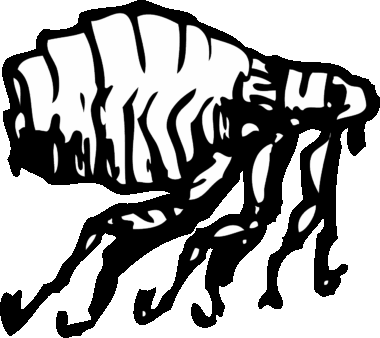
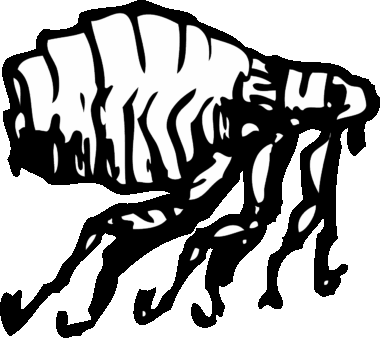
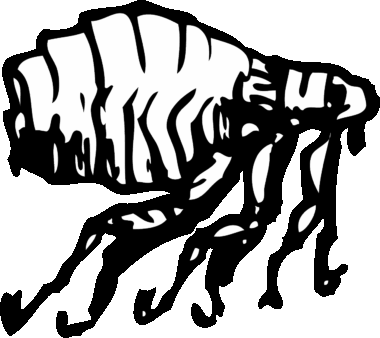
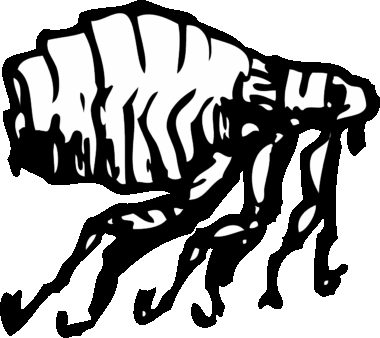
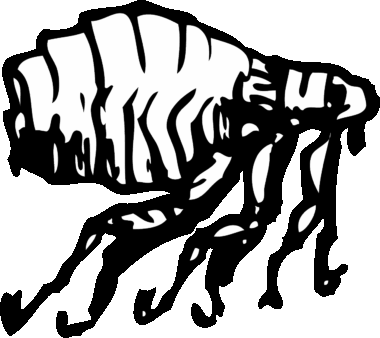
Dog owners must be vigilant regarding their pets’ health, particularly against various parasites that can impact their wellbeing. Common parasites in dogs include fleas, ticks, heartworms, and intestinal worms such as roundworms and tapeworms. Each of these parasites poses different risks to dog health and requires specific preventive measures. Fleas can lead to intense itching, skin problems, and even anemia if left untreated. Ticks are known to transmit several diseases, including Lyme disease and Rocky Mountain spotted fever. Heartworms affect a dog’s cardiovascular system and can result in severe health consequences, including heart failure.
Intestinal worms like roundworms and tapeworms can lead to malnutrition, diarrhea, and other gastrointestinal issues. These parasites often enter the dog’s body through contaminated food or the environment. Understanding these parasites is essential for dog owners, as prevention methods can protect their furry companions. Regular veterinary check-ups play a crucial role in parasite identification, early treatment, and prevention. Routine fecal examinations help detect intestinal worms, ensuring timely intervention. Moreover, tick and flea treatments should be administered during warmer months when these pests are more active.
Preventive measures start with maintaining a clean environment, as keeping sleeping areas clean and removing feces can help limit exposure to these parasites. Dog owners should also wash their pet’s bedding and toys regularly. Additionally, the use of high-quality pet food enhances the dog’s overall health, making them less susceptible to infections. Supplements containing specific vitamins can also boost immunity, aiding in parasite prevention. Personal hygiene, such as washing hands after handling pets, can further reduce the risk of transmitting parasites from dogs to humans.
Preventive Treatments and Vaccinations
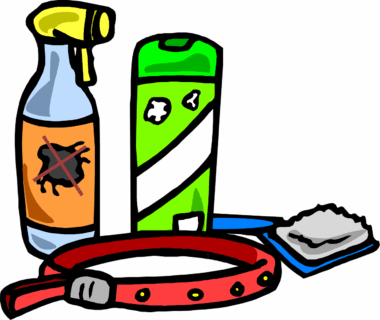
Vaccinations play an important role in preventing certain parasitic diseases in dogs. Vaccinating against diseases like Lyme and Leptospirosis help protect pets from the debilitating effects of these conditions, which can be contracted via parasites. Alongside vaccinations, various preventive treatments are available for fleas, ticks, and heartworms. Flea and tick medications come in many forms, including collars, topical treatments, and oral medications. These products typically need to be administered monthly or as directed by a veterinarian.
For heartworm prevention, dogs should receive a monthly chewable or topical preventive treatment. Regular heartworm tests, typically done annually, ensure that any infection is caught early. For intestinal worms, deworming treatments are prescribed based on the dog’s risk and exposure level. It’s crucial to administer such treatments per the veterinarian’s recommendation to ensure optimal effectiveness. When managing parasite control, it’s essential to follow a comprehensive plan tailored to the dog’s needs, including their age, breed, and lifestyle.
Public awareness about the importance of parasite control is also vital. Many owners might ignore early signs of a parasitic infection, thinking it’s a normal behavior change. Educating pet owners about these signs, such as unusual itching, hair loss, or lethargy, can lead to timely veterinary visits. Additionally, organizing community events, such as low-cost vaccination clinics and information days, can further promote awareness and prevention efforts. Local shelters and rescue organizations often participate in such events, highlighting the significance of education in dog parasite control.
Conclusion
In conclusion, dog parasite control is a multifaceted challenge requiring the combined efforts of owners, veterinarians, and the community. By understanding common parasites and adopting prevention strategies, dog owners can safeguard their pets against various health issues. Regular vet visits, vaccinations, and proper hygiene are crucial in maintaining a healthy and happy canine companion. Encouraging further education on parasite risks is essential for improving overall pet health and well-being. Protecting dogs from parasites ultimately leads to a happier, healthier pet life, enhancing the bond between dogs and their owners.
In light of these considerations, remain proactive concerning your dog’s health. Develop a tailored parasite control plan involving regular veterinary consultations, preventive treatments, and consistent hygiene practices. Remember, an ounce of prevention is worth a pound of cure, especially regarding parasites affecting dogs. The right preventive measures taken today ensure a healthier tomorrow, allowing dogs to live their best lives without the burden of parasitic threats. Stay informed, enjoy countless joyful moments with your furry friends, and prioritize their health and happiness.