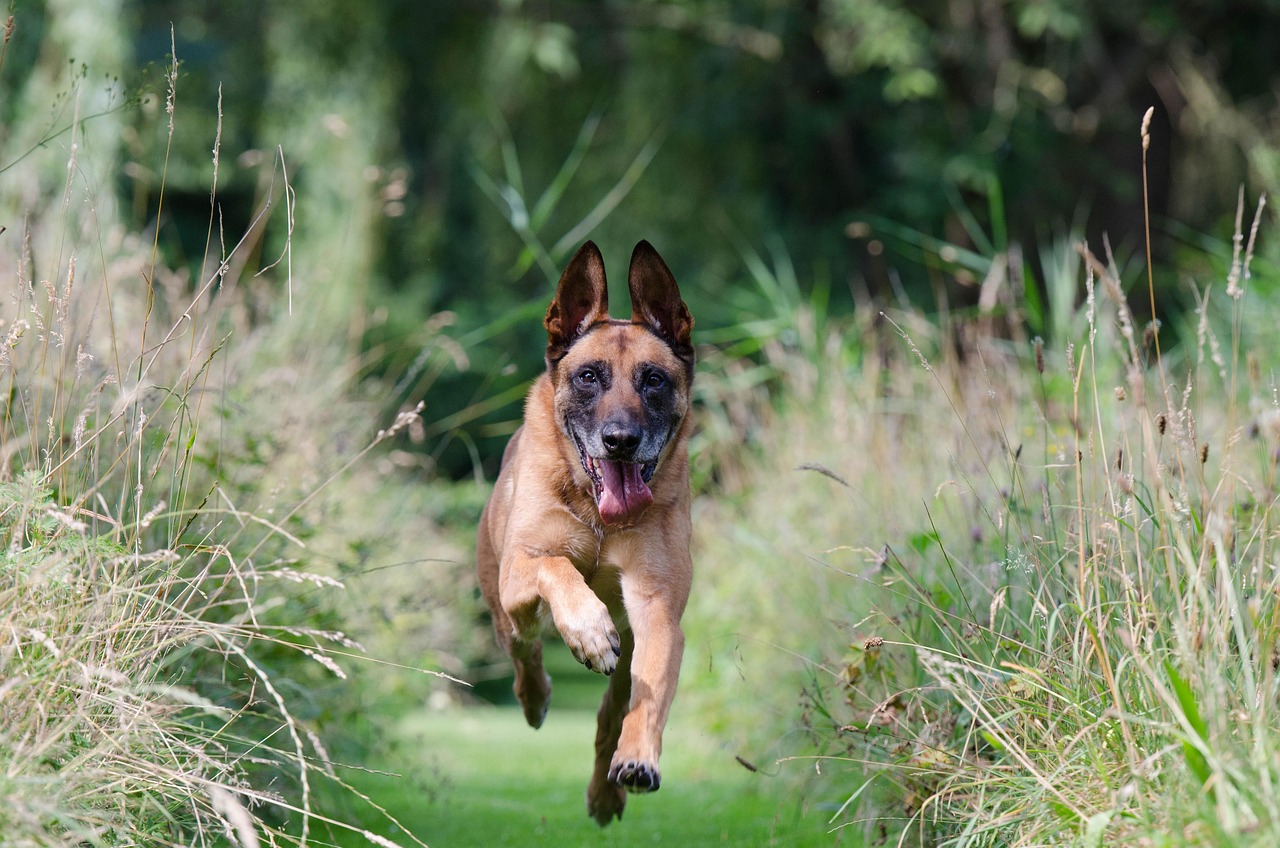

Top 10 Methods to Teach Your Dog the Come Command
Training your dog to respond to the come command is essential for ensuring their safety and enhancing your bond. This command can prevent dangerous situations where your dog may run into traffic or get lost. Using positive reinforcement is the most effective way to teach this command. Start in a quiet area with minimal distractions. Always use an enthusiastic tone to attract your dog’s attention. Begin by calling your dog’s name followed by ‘come’ in a clear voice. If they respond, reward them immediately with a treat or affection. Practice this method several times a day. It’s important to gradually increase the distance between you and your dog while calling them. This helps to reinforce their learning in different environments. Additionally, you can use a long leash for added control when outdoors. When your dog is comfortable coming to you on command, begin to introduce distractions gradually, such as toys or other animals. This will prepare them for real-world scenarios. The key is patience and consistency, ensuring that training sessions remain fun for your furry friend. This will encourage them to come to you every time you call.
Another effective method to teach your dog the come command is through the use of games. Dogs love to play, and incorporating fun into training can yield great results. One enjoyable game involves having a friend hold your dog while you move away a significant distance. Call your dog with excitement and use a treat or toy to encourage them to reach you. As they come over, praise them with joy and reward them upon arrival. This creates a positive association with the command. Consistency is important as well; practice this game multiple times, gradually increasing the distance. Additionally, you can turn this into an interactive activity, allowing your dog an open space to run. During playtime, you can also add variations like hide and seek. Hide in another room and call your dog’s name. When they find you, reward them to strengthen their response to the command. If your dog seems hesitant, reassure them and maintain a cheerful demeanor. This will boost their confidence. Making training fun not only enhances effectiveness but also strengthens your emotional bond, helping your dog learn that coming when called is a positive experience.
Using a whistle for the come command can be beneficial for some dog owners. The sound of a whistle can travel farther than your voice, making it suitable for outdoor environments. Start by conditioning your dog to associate the whistle sound with the reward. To practice, blow the whistle and wait for your dog’s response, even if it’s just turning their head. Once they respond, immediately reward them with praise or a treat. Repeat this process until your dog consistently reacts to the whistle before introducing distance. Set up training sessions in various locations to ensure they understand that the whistle means to come regardless of environment. In addition, consider using a long lead when practicing outdoors, allowing you to maintain control while reinforcing the command. Another useful aspect of using a whistle is that it’s a distinct sound they may recognize more easily than your voice among distractions. Over time, your dog will learn to associate the whistle with positive outcomes, making them more likely to respond positively in different contexts. This method encourages your dog’s confidence and willingness to come when called.
Utilizing the power of treats is one of the most popular methods for teaching the come command. Dogs are more likely to respond when they know a reward awaits them. Start training in a quiet, familiar environment. Call your dog’s name and follow it with ‘come’ in a cheerful tone. Show them the treat to create excitement. When they arrive, reward them immediately, reinforcing the behavior. Consider using high-value treats, such as small pieces of chicken or cheese, to grab their attention. As your dog learns the command, gradually reduce the number of treats while continuing to praise them for compliance. This helps them maintain motivation. Make sure to practice this within short training sessions to keep them engaged; five to ten minutes is usually sufficient. Progressively introduce layers of complexity by incorporating distractions, like toys or other pets, while reinforcing the command. By doing so, your dog becomes more confident in responding amid distractions. Always return to a positive reinforcement approach to encourage desired behavior. This method ensures your dog understands that coming when called leads to rewarding experiences, enhancing their learning process.
Consistency in Training Sessions
Consistency in your training sessions for the come command is crucial for your dog’s learning. Establish a dedicated training routine, allowing your dog to anticipate when these sessions will take place. Daily practice of around 10-15 minutes is generally effective in reinforcing the command without overwhelming your dog. Always start training in a familiar, low-distraction environment before transitioning to more challenging settings. Being consistent means maintaining the same words and tone for commands, so your dog clearly understands expectations. Whether you use ‘come!’ or ‘here!’ make sure to stick to that phrase during training. Additionally, practicing regularly helps maintain progress even as distractions increase. Keep in mind that using a variety of locations also contributes to strong training outcomes. When your dog learns to respond regardless of context, they’ll become more reliable. Ensure all family members use the same commands and training standards to prevent confusion. Having a unified training approach among all caretakers enhances your dog’s understanding of the command. Finally, be patient and understanding; every dog learns at their unique pace. Celebrate small victories to keep your dog motivated and excited about the training process.
Another influential method for teaching the come command is engaging in leash training. Using a harness or collar, practice controlled walking while calling your dog. Keeping your dog on a leash restricts their movement, allowing easier control as they learn the expected behavior. Start by walking your dog in a quiet area, then pause and call them to you. If your dog responds promptly, reward them immediately. If they do not, gently pull on the leash to encourage forward movement while praising them. Gradually increase the distance you walk before calling your dog. This method allows you to reinforce the command while also practicing obedience. As your dog becomes more adept at coming towards you, gradually introduce distractions to make the training process more dynamic. This variety aids in developing their listening skills during real-life situations. Training sessions should remain short and enjoyable, ensuring your dog remains engaged and motivated. Additionally, changing locations regularly can lead to better retention of the command under different circumstances. Through consistent leash training, your dog will learn that coming when called brings positive experiences every time.
Socialization and Generalization
Socialization plays a vital role in reinforcing your dog’s understanding of the come command across different environments. Exposure to various settings and situations helps generalize the command, ensuring your dog responds no matter the distraction level. Start by introducing your dog to various locations at a young age. Visiting dog parks, busy streets, and friendly gatherings helps your dog adapt to various stimuli. Consistently practicing the command in these different environments will build reliability. Choose a combination of training, such as practice sessions at home, and outings where distractions are more abundant. This helps reinforce their learning in less controlled situations. Engage other dog owners or friends to help with distractions; others can encourage your dog to come while their attention is diverted. Maintain patience throughout this process, as it takes time for dogs to adjust to new environments. Celebrate their successes, encouraging them to feel confident in responding to commands. Eventually, your dog will distinguish the come command’s meaning under varying conditions, showing impressive reliability. The goal is for your dog to feel secure in responding to commands in any situation, ensuring their safety and your peace of mind.
Finally, training your dog to respond to the come command promotes a trusting and respectful relationship. Always use a positive tone during training, signaling to your dog that you are pleased with their performance. The praise and rewards you provide enhance their motivation and encourage them to explore new training scenarios. Be mindful not to punish or reprimand your dog when they fail to respond immediately; this can lead to fear and anxiety. Instead, focus on redirecting their attention and encouraging them through clear communication. Building your dog’s confidence contributes to a more successful training experience. Insist that every training session remains fun, filled with patience and love. Integrate playtime and breaks as needed to keep your dog engaged. This approach ensures they remain excited about learning. As your dog masters the command, incorporate it into your daily routines; use it before walks, playtime, or meal times. This reinforces the importance of the command and creates occasions for practice. Remember that training should be an enjoyable journey for both of you, cultivating a strong bond that goes beyond the basics of obedience training.