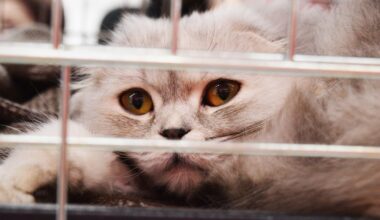

How to Safely Transport an Injured Kitten to a Vet
Transporting an injured kitten to a veterinarian can be a stressful but crucial task. The kitten may be in pain and frightened, making careful handling essential. First, you should assess the situation carefully. Ensure the kitten is stable enough to be moved. If the injuries are severe, don’t hesitate to seek immediate professional help. It is crucial to remain calm, as your stress can transfer to the kitten. Begin by gently wrapping the kitten in a soft blanket to provide comfort and prevent further injury. Always support their body to avoid jostling or causing pain. You may secure the blanket without wrapping it too tightly; the kitten should feel secure without being trapped. Place the wrapped kitten in a sturdy, well-ventilated carrier. Make sure the carrier is not too large, as the movement might distress the kitten further. Keep the environment quiet during transport to minimize anxiety. Remember, you are the kitten’s advocate in this critical moment. Driving carefully and avoiding sudden stops will help stabilize the kitten during the journey. Time is crucial when dealing with injuries, so be sure to communicate any immediate concerns upon arrival.
Before moving, it’s important to prepare the carrier properly. Consider using a soft, padded interior or veterinary crate to provide a safe environment. You may wish to place a familiar blanket or item that smells like home to reduce anxiety further. Ensure that the carrier is secure and can withstand motion during transport. If you have an injured kitten that is bleeding or in shock, you should ensure they are warm. Have a few towels or heating pads available to help maintain their body temperature. Once everything is ready, place the kitten gently in the carrier, ensuring they are secure but comfortable. You might want to talk softly to them during the journey. Gentle reassurances may help soothe their fears. Listen for any whining or distress sounds they may make. Additionally, monitor their breathing and responsiveness. If they seem to be deteriorating, consider calling the vet for advice while in transit. Remember to keep the car temperature comfortably warm—but not hot—since kittens are sensitive to temperature changes. Also, avoid unnecessary loud music and keep the car environment as quiet as possible. Being fully aware of their condition can help reduce stress during this trying experience.
Upon arrival at the veterinary clinic, your first task is to inform the staff about the emergency. Let them know the severity of the kitten’s condition and any relevant details. This information helps them prepare for the kitten’s treatment as quickly as possible. When removing the kitten from the carrier, do so carefully, as fast motions may scare them further. Always support their body gently to avoid causing more pain. If they seem to be in a lot of distress, consider asking for assistance from a vet tech. They are trained in handling injured animals and can help minimize anxiety for both you and the kitten. Additionally, you should have a list of any symptoms you’ve observed that could assist in the diagnosis. Noting any changes in behavior, eating, or drinking patterns can be incredibly useful. Provide as much information as you can. If the kitten has any known allergies or existing health issues, share this information as well. Quick and detail-oriented communication can save valuable time and resources that might be required to treat the kitten effectively. Ultimately, the goal is to provide the best care possible and see your beloved pet recover.
Understanding Emotional Impact
Caring for an injured kitten is not just a physical burden; it can also take an emotional toll on the caregiver. You may feel helpless or anxious while you witness their pain. It’s important to recognize that caregivers often experience stress and emotional anguish during this period. To mitigate this, seeking support from friends, family, or even pet support groups may be beneficial. Sharing your worries or discussing the situation with others can help lighten the emotional load. Remember, your feelings are valid, and it’s okay to communicate your stress. Engaging in relaxation techniques like deep breathing or visualization can help ground you during this challenging time. Consider taking breaks if you are stressed while waiting for news from the vet. Also, once the kitten is stable, make sure to set aside time to care for your own emotional well-being. This self-care can come in the form of a walk, reading a book, or engaging in a hobby unrelated to the kitten. A calm and collected caregiver can provide better support for an injured pet. It’s crucial to take care of both the kitten and yourself during such challenging times.
After the veterinarian examines the kitten, a treatment plan is generally laid out based on their diagnosis. You might receive instructions for home care if surgery or a prolonged stay isn’t necessary. It’s vital to follow these instructions meticulously to ensure proper recovery. This may include administering medications or providing a safe space for the kitten at home. A quiet and comfortable area can help the kitten recuperate smoothly. Monitor their food and water intake, as many injured pets may not eat initially. Consulting the vet about appropriate food types or hydration options is advisable. Additionally, scheduling follow-up appointments may also be part of the recovery process. Being proactive about veterinarian visits is key to a successful healing journey after an injury. Keep an open line of communication with your vet to address any concerns post-transport. They can offer insights into behavioral changes you should be aware of as your kitten heals. Stay attuned to the signs of distress or pain, and don’t hesitate to reach out for assistance. Your attention and care play a pivotal role in your kitten’s recovery journey.
Encouraging a Safe Recovery
As your kitten begins to recover, providing a safe and encouraging environment is crucial. This can include minimizing visitors and other pets, as too much interaction can lead to additional stress. Consider using a quiet room where the kitten can feel secure while healing. Make sure the area has all the essentials, including food, water, a cozy bed, and litter. Caring for a kitten involves monitoring them closely, especially during this fragile time. Introducing small toys that encourage light play can help stimulate their spirits but avoid anything that could cause further injury. Regularly check and clean their recovery space to maintain a hygienic environment. If they are on medications, develop a routine to ensure consistent administration. This can help reduce anxiety for both the caregiver and the kitten. Keeping a log can be useful not only for monitoring their recovery but also for scheduling follow-ups. Sometimes, kittens respond rapidly to care; being attentive to changes can provide reassurance and hope. Remember to also engage them with your voice or gentle touch, as comfort often accelerates a pet’s healing process. Your love and support in this crucial time play a paramount role.
Once recovery is underway, focusing on preventative measures for the future is essential. Regular veterinary check-ups can ensure early detection of any potential health issues. Additionally, consider discussing vaccination schedules and parasite control to maintain your kitten’s overall health. Education on proper care at home can also empower you to provide thoughtful, proactive support. Understand common kitten ailments to notice signs early on next time. Being aware of their dietary needs, including the right type of food, will strengthen their immune systems. Providing enriching activities will also promote physical and mental well-being. Socializing your kitten with people and other pets in a controlled manner can help them develop a well-rounded personality. Engaging them in playtime fosters bonding and reduces future anxiety or aggression issues. Also, consider spaying or neutering as long-term health strategies. When you prioritize your kitten’s wellness, you can create a loving, responsive environment that supports their lifelong health needs. Always remember that a well-cared-for kitten grows into a healthy cat, ready to bring joy and companionship into your life.
Conclusion
Ultimately, knowing how to handle an injured kitten is crucial for any cat owner. Your ability to respond with care and knowledge can make a significant difference in their recovery process. Keeping a cool head during transport, seeking veterinary advice swiftly, and following care plans can create a path back to health. Remember that your emotional well-being is equally essential during this process. Offering a supportive and loving environment for your kitten when they return home ensures that they heal comfortably and effectively. Every effort you put into their care speaks volumes about your commitment as a pet parent. Continue learning about their needs, and don’t hesitate to reach out for professional help whenever necessary. Your awareness and dedication can guide your kitten toward a healthy and happy future. As you relate to your pet, strengthening your bond will only enhance your relationship for years to come. Keep in mind that while emergencies can be stressful, they can also create opportunities for learning and growth in your role as a pet owner. Take these experiences as moments to become more informed and proactive. Your kitten depends on your love, patience, and understanding.