
How to Tell If Your Dog Has an Oral Tumor: Symptoms and Signs
Early recognition of oral tumors in dogs is crucial for effective treatment and management. These tumors may manifest with various signs, some of which can be mistaken for less serious issues. Regular dental check-ups can help identify these signs before they escalate. Look for unusual behaviors indicating discomfort or pain. Symptoms might include excessive drooling, difficulty eating, pawing at the face, or reluctance to play. Owners should also monitor for noticeable weight loss, changes in appetite, or bad breath, which may signal underlying issues. Observe for swelling in the mouth or face, or if you notice any growths. Oral tumors may not always produce pain but are often accompanied by other symptoms, including difficulty swallowing. It’s crucial to examine your dog’s mouth regularly, checking for lumps or discolorations that could indicate a problem. If you notice any of these symptoms, consult your veterinarian promptly. Early diagnosis can significantly improve prognosis. A timely examination may involve imaging and biopsy to confirm the presence of a tumor and determine the best course of action.
In addition to physical signs, behavioral changes can indicate the presence of oral tumors. Many dogs experience discomfort due to oral masses, leading them to retreat from engaging activities or socialize less with their families. Changes in aggressiveness during feeding or chewing can also alert owners to a potential problem. If your dog seems hesitant to chew their favorite toys or prefers soft food suddenly, this could indicate pain associated with oral tumors. Furthermore, watch for signs of bleeding into the mouth, which can be alarming. Blood-stained saliva or persistent oral bleeding necessitates immediate veterinary attention. These signs can develop swiftly, making it crucial to stay aware of your dog’s daily habits. Another area to monitor includes changes in barking or vocalization; this may point towards growing growths affecting their throat or mouth. Oral cancer in dogs often requires prompt treatment to avoid other complications. Treatment may include surgical removal, chemotherapy, or radiation therapy depending on the tumor type and stage. With a proactive approach and timely action, you can significantly improve your dog’s health outcomes when facing these serious concerns.
To further understand how to identify these tumors, consider the varying types of oral cancers dogs can experience. Some common tumors include malignant melanoma, squamous cell carcinoma, and fibrosarcoma. Each type presents different characteristics and symptoms. For instance, malignant melanoma is often pigmented and may cause changes in weight, while squamous cell carcinoma tends to infiltrate surrounding tissues. Understanding these differences can assist in monitoring your dog’s oral health effectively. Note that age, genetics, and certain breeds may predispose dogs to develop oral tumors. Some breeds, such as retrievers and boxers, are known to be at a higher risk. Educating yourself on breed-specific characteristics can help you recognize changes sooner. Moreover, preventive measures include maintaining regular dental hygiene, providing appropriate chew toys, and feeding a balanced diet to support overall health. It’s crucial to schedule routine veterinary dental cleanings as they can detect early signs of any trouble. Regular assessments allow for a professional evaluation of your dog’s oral health, which is a critical component of long-term wellness and early intervention for serious conditions.
Consulting a Veterinarian
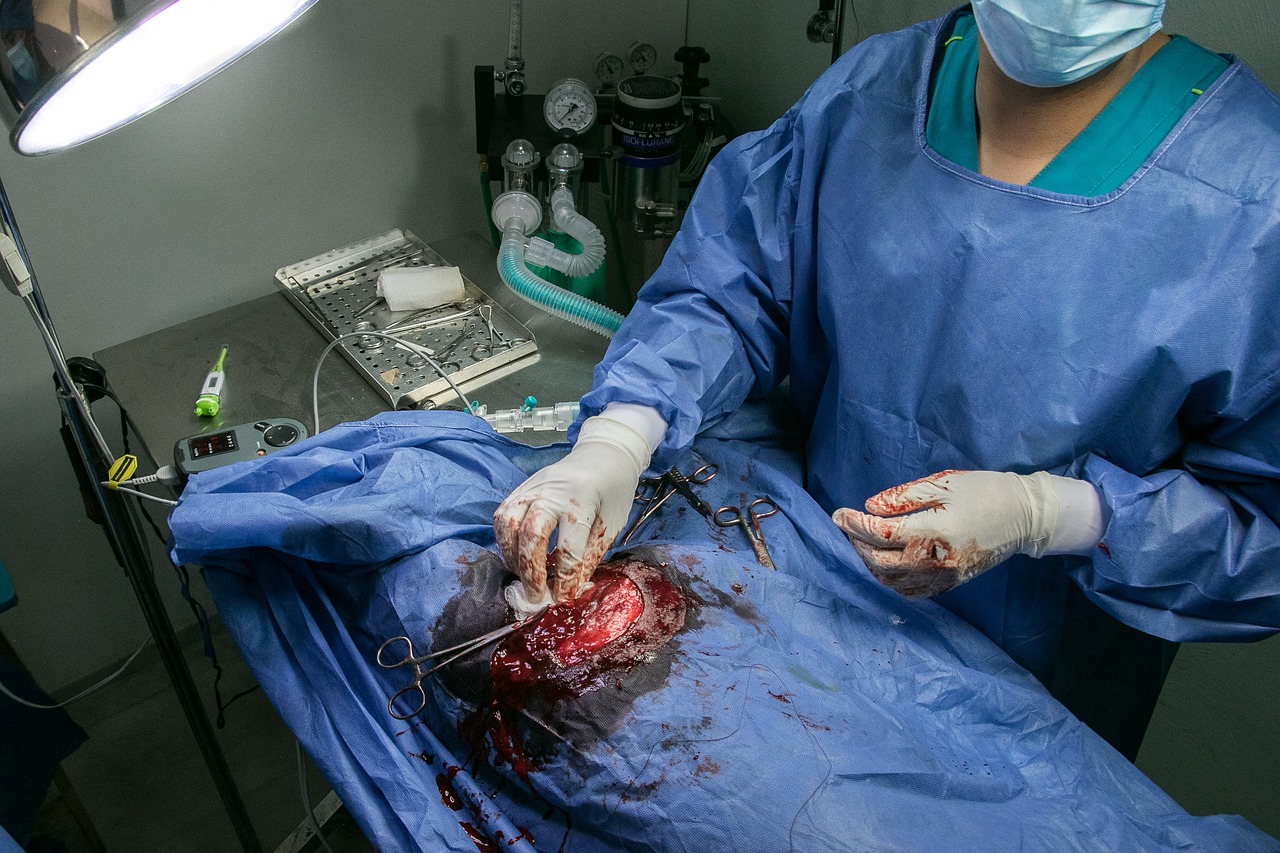
Once any signs of concern have been noted, it’s essential to reach out to a veterinarian as soon as possible. Only a veterinary professional can accurately diagnose oral tumors through thorough examination and diagnostic imaging. They may conduct X-rays, ultrasounds, or even MRI scans to visualize the structure of your dog’s mouth and throat. After these evaluations, a biopsy might be necessary to confirm any suspicions regarding tumors. This entails collecting cells or tissue samples for further analysis. Depending on the results, your veterinarian will present the best treatment options available for your dog. Treatment plans will vary, tailored to the specific type and stage of the tumor found. It may include surgical intervention, medications, or palliative care to alleviate discomfort. Furthermore, discussing potential side effects and the overall prognosis of the individual case is crucial for preparing for the next steps. Support from veterinary professionals and clear communication about treatment expectations can help owners navigate this challenging period. Maintaining a positive environment and addressing your dog’s needs will also contribute significantly to their overall quality of life during this process.
Understanding treatment options is an important aspect of managing oral tumors in dogs. If surgery is indicated, the entire tumor, along with some surrounding healthy tissue, is often removed. This not only addresses the immediate concern but also helps reduce the chances of recurrence. Post-surgery, watch your dog for any complications or side effects from anesthesia or pain management medication. Follow-up appointments are vital for assessing healing and monitoring recovery. Alternatively, additional treatments such as chemotherapy may be offered depending on the nature of the tumor. Chemotherapy may have side effects like nausea or lethargy, and it’s important to remain vigilant. Engaging a holistic approach often proves beneficial. Consult your veterinarian about integrating supportive therapies, including dietary considerations, natural supplements, or alternative treatments that may enhance results. Additionally, some dogs may require ongoing care and monitoring even after treatment. Regular health check-ups, alongside imaging, can ensure any further developments are caught early. Being informed and proactive about your dog’s dental health can prevent future occurrences and improve their overall wellness for years to come.
Importance of Regular Veterinary Visits
Regular veterinary visits are essential for your dog’s health and can be a game-changer in identifying early signs of oral tumors. A trained veterinarian can spot issues that might go unnoticed during at-home examinations. These professionals are skilled in recognizing subtle signs of distress in dogs and can monitor their oral health effectively. Scheduled dental cleanings provide opportunities for comprehensive evaluations of your dog’s mouth. During these visits, veterinarians can palpate soft tissues, examine for lesions, and assess gum health. Their expertise allows them to recommend preventive care tailored specifically to your dog’s needs, potentially reaching far beyond just oral health. These visits can include blood work or other diagnostics to rule out systemic issues linked to oral tumors. If your dog is older, consider discussing any new symptoms or behavioral changes that arise. Age-related factors can influence the risk of oral neoplasms. So, it’s vital to remain proactive through these visits. Committing to preventive care can build a strong foundation for your dog’s long-term health and give them a better chance against various diseases, including oral tumors.
Finally, awareness and education are key components in safeguarding your dog’s health against oral tumors. By understanding the symptoms and being vigilant about changes in behavior, you can play a significant role in early detection. Reading up on canine oral health can empower you to make informed decisions regarding your pet. Additionally, connecting with other dog owners or participating in pet health forums can provide vital insight and shared experiences. Knowledge shared among pet owners can illuminate best practices and resources. Moreover, consider joining seminars or classes centered around canine health topics. Familiarizing yourself with symptoms of oral tumors is vital, but proactive dental care and regular veterinary consultations remain the backbone of prevention. This collaboration ultimately leads to better outcomes for your furry companion. Keep in mind that your dog relies on you for their health and well-being. A combined approach of awareness, regular care, and veterinary support can help manage their health effectively. Help ensure many happy and healthy days ahead for your beloved pet by prioritizing their oral health.
Incorporate these vital elements into routine pet care to enhance awareness and foster a proactive stance towards oral health for your dog. Stay alert to any changes and seek veterinary guidance when unsure. Prioritizing your dog’s health will contribute to their overall satisfaction and longevity.