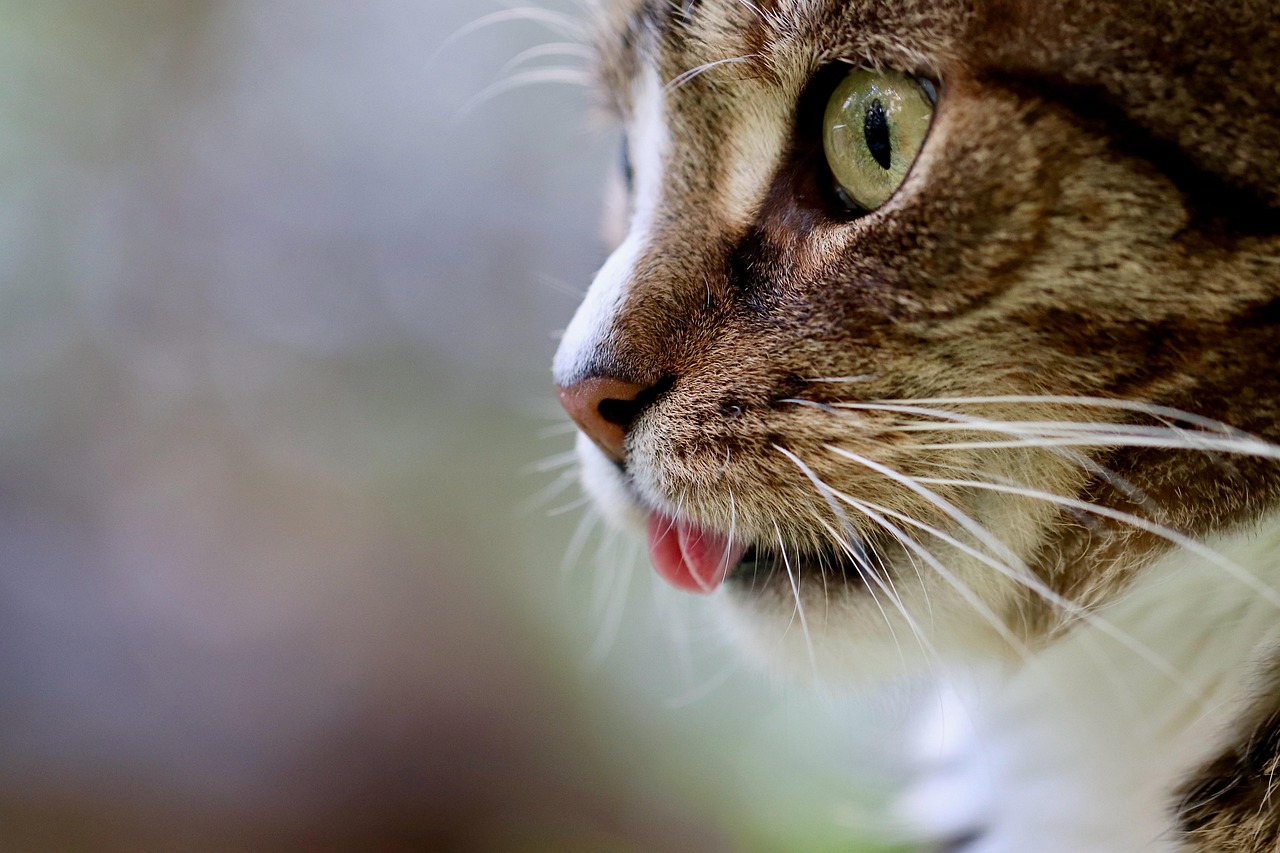

Impact of Household Noise and Activity on Cat Stress and Litter Box Problems
Understanding the impact of household noise on cats is essential for addressing litter box problems. Cats are sensitive creatures and can become easily stressed by their environment. Factors such as loud noises from televisions, music, or conversations can significantly affect their behavior. Stress in cats can lead to undesirable actions, including urinating outside the litter box. By maintaining a quieter environment, you can improve your cat’s comfort levels. It’s also important to create a safe space for your cat in the house where they can retreat when feeling overwhelmed. Establishing such a refuge allows them to manage stress better and feel more secure. Additionally, introducing calming products like pheromone diffusers can help reduce anxiety. It is necessary to observe your cat’s reaction to various sounds. If you notice changes in behavior, such as hiding or aggression, it is essential to take note. Understanding your cat’s individual triggers allows you to take actionable steps in minimizing their exposure to stressors that can lead to litter box issues. A happier cat will naturally lead to fewer litter box problems. All of these factors contribute to effective litter box management.
Noise levels in the household can play a significant role in a cat’s daily life. Changes in routine or increased activity in the home can create a stressful atmosphere. Cats thrive on consistency and predictability, meaning disruptions can lead to anxiety. Stress can manifest in various ways, including changes in eating habits and, notably, litter box usage. Most cats prefer quiet environments to feel secure while utilizing their litter box. If the litter box area is subjected to loud noises, cats may avoid it entirely. To mitigate stress, consider minimizing household disruptions during peak activity times. Also, educating family members to maintain a calm environment can create a positive space for your cat. If noise cannot be avoided, providing sound barriers, like soft rugs or curtains, can dampen routine disturbances. Creating a structured schedule enhances a cat’s sense of security. Regular feeding and playtimes can provide a comforting routine. In this way, noise reduction and routine establishment can work hand-in-hand to keep your cat relaxed. Ensuring your cat’s mental well-being is crucial in maintaining their overall health, including proper litter box habits.
Environmental Factors and Cat Behavior
The environment that your cat lives in directly influences its mental health. Cats are territorial, and they often find solace in predictable surroundings. Sudden changes such as rearranging furniture or bringing in new pets can create disorientation and lead to stress. For instance, introducing a new dog could provoke anxiety in a cat already vibrant in its territory. Stress from these changes may result in your cat defecating or urinating outside the litter box. It is critical to introduce changes gradually, ensuring the cat has time to adjust. Providing visual barriers or hiding spots can help your cat cope with adjustments to their environment effectively. You can also place their litter box in a tranquil part of the home, ensuring it is a safe space from noise or activity. Regularly cleaning the litter box encourages your cat to use it regularly, reducing potential issues. Sticking to familiar routines adds a layer of comfort, reducing any stress. Adopting these strategies can significantly improve litter box usage and reduce anxiety levels in cats. Cats thrive on stability and can bounce back to their usual habits given a conducive environment.
Another vital aspect of relieving stress in cats is enriching their environment. Providing ample stimulation keeps cats engaged and prevents them from feeling anxious or bored. Letting your cat enjoy activities such as climbing or scratching can alleviate some of their stress. Interactive toys can help alleviate frustration and keep them mentally engaged. Establishing a structured playtime schedule is essential. Fostering an energetic environment can help direct your cat’s energy into positive actions rather than destructive ones. Additionally, rotating toys can provide fresh stimulation without overwhelming your cat. Consider incorporating cat trees or shelves in your home where cats can observe their surroundings. High perches or hiding spaces can help cats feel more secure and less threatened by noise or activity. Additionally, spending quality time with your cat can strengthen your bond and relieve stress. Whether through interactive play or gentle petting, your presence can be the most comforting aspect for your feline companion. These efforts can improve your cat’s overall mental health and enhance litter box compliance.
Signs of Stress in Cats
Identifying signs of stress in your cat is crucial for effective management of litter box issues. Some common indicators include excessive grooming, hiding, and altered eating patterns. Additionally, you may notice changes in vocalization or increased aggression towards people or other pets. Each cat will exhibit different signs depending on its personality and level of anxiety. If noteworthy behavior changes coincide with increases in household noise, it may indicate a stress response. Cats might express their anxiety through inappropriate elimination, which requires immediate attention. Be proactive in tracking any behavioral patterns correlating with noise disturbances. Consider keeping a journal to detail circumstances leading to stress so you can determine causative factors more accurately. Once you recognize these signs, implementing stress-relief techniques can be timely and effective. Steps you can take include creating quiet zones in your home or implementing routine changes. Most importantly, pay attention to how your cat reacts to environmental changes. Environments with less noise allow your cat to manage stress appropriately, thus maintaining a healthy litter box lifestyle. Recognizing stress signals will allow owners to be more responsive to their pets’ needs.
Simple practices can significantly diminish household noise impacts on your feline companion. For example, while vacuuming or hosting gatherings, provide your cat with secluded spaces where they feel secure. You might also use soft music, which can have a calming effect in noisy environments. This approach creates a soothing atmosphere that helps your cat adjust to disruptions more comfortably. Consider using natural calming supplements that can assist in reducing anxiety levels. The goal is to foster a serene setting that promotes their sense of safety and tranquility. Consistent monitoring allows you to make improvements based on your cat’s changing demeanor. Also, work to educate all household members on the importance of a calm living culture to ensure your cat remains relaxed. Blending daily routines with awareness of your cat’s comfort needs means being mindful about noise and activity levels. Limiting stressors significantly aids in preventing potential litter box issues. All these practices contribute to productive cat ownership where harmony prevails against stress factors in their environment. With diligence and care, you can create spaces that wholly support their well-being and behavior.
Seeking Professional Help
When having trouble managing your cat’s stress and litter box issues, seeking professional help is essential. A veterinarian or animal behaviorist can provide invaluable insights and guidance tailored to your specific situation. They can assess your cat’s overall health, as medical conditions may also lead to litter box avoidance. Chronic stress can escalate into significant issues if not addressed early on. Professional assessments will help outline an action plan addressing your cat’s litter box habits associated with stressors. Behavioral therapies may be suggested, along with recommendations for environmental modifications. Gaining knowledge from trained professionals ensures you to address the root causes rather than just the symptoms. Furthermore, some cats may require medications to assist in managing their anxiety. Programs that incorporate behavior modification and environmental enrichment can lead to significant improvements. Professionals can help create personalized enriching experiences fostering well-being. Tools and strategies uniquely tailored will aid in calming your cat and consequently managing litter box issues. Ensuring your cat’s health and mental wellness allows them to thrive in a loving, supportive environment. Therefore, do not hesitate to seek help when needed. It truly leads to improved cat health.
As a responsible cat owner, monitoring your cat’s behavior and adapting to their needs is key. Minimizing household noise and creating a supportive atmosphere is crucial for their mental health. By understanding the direct link between stress and litter box avoidance, you can take proactive steps to improve your cat’s comfort. Each small change can yield significant results in your cat’s behavior. Regular interactions, a tranquil environment, and being observant of their stress signals make all the difference. Consistency, patience, and care will ensure that your home remains a sanctuary for your feline. A calm environment leads to harmonious relationships between cats and owners, precipitating fewer litter box issues. With diligence, every owner can foster a happier, healthier life for their cat while ensuring compliance to litter box practices. Overall, addressing stress-related concerns is a multifaceted endeavor requiring attention to detail and understanding of your cat’s needs. Implementing these best practices will not only improve health but also deepen your bond with your beloved cat. Each change can contribute to stability and happiness, leading to a well-adjusted pet free from anxiety and litter box problems.