
When to Transition from Training Pads to Outdoor Potty Training
Transitioning your puppy from training pads to outdoor potty training is a critical process that requires keen observation and understanding. Start by noticing your pet’s age, behavior, and readiness, ideally when they reach around six months of age. Puppies should also exhibit signs of consistent outdoor bathroom habits. Pay attention to how frequently they use the training pads compared to being taken outside. If your dog seems less reliant on the pads, it’s likely they are ready for a more significant change. Additionally, ensure that your dog is fully vaccinated before frequenting public outdoor spaces, as this keeps them safe. Finally, consider the weather conditions. Rainy, snowy, or extremely hot days might discourage them from pottying outside. Ensure a gradual transition by taking your pet outside regularly, rewarding them when they go outside. By keeping an eye on their behaviors, timing, and health, you can successfully make the shift from training pads to outdoor potty training.
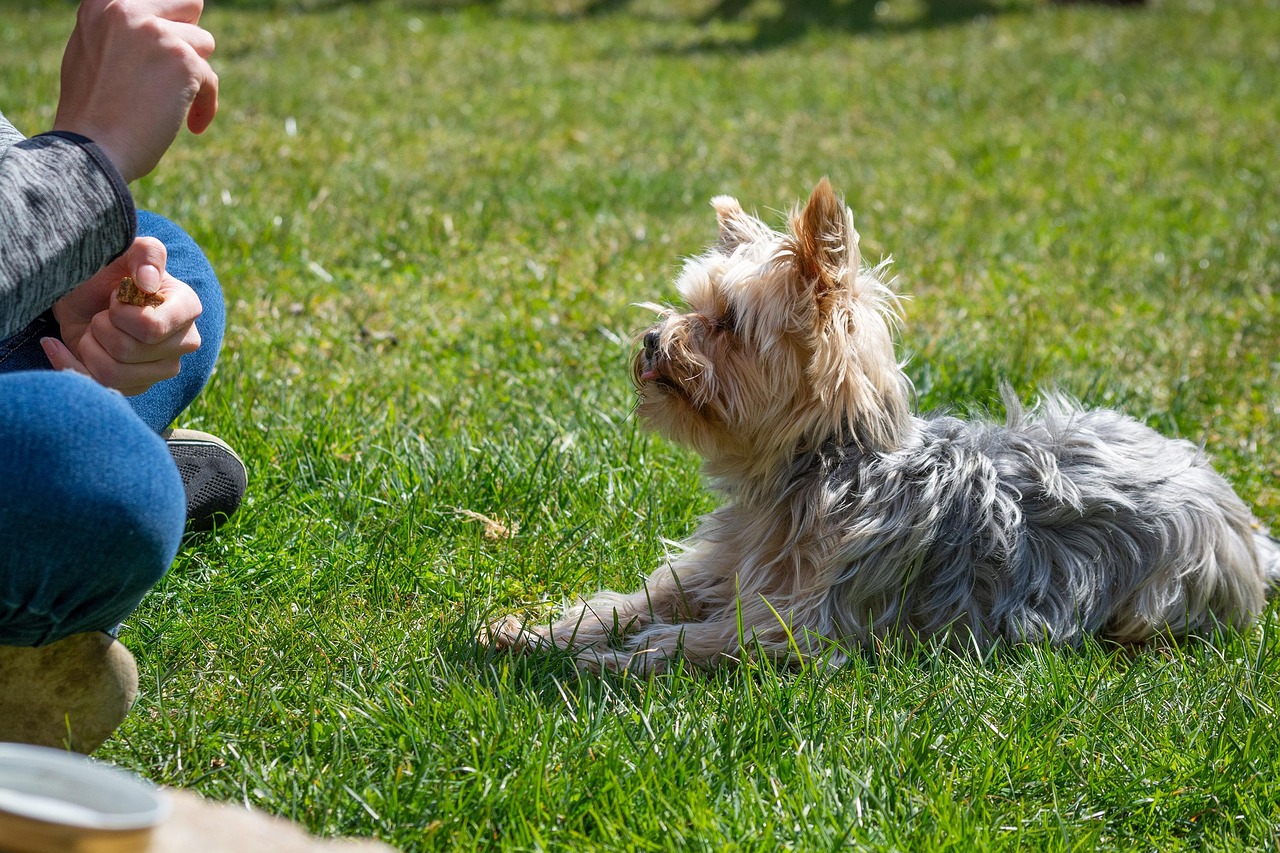
Each dog’s temperament is unique, which influences how smoothly the transition from training pads to outdoor potty training goes. Some dogs may adapt quickly, while others require more time and patience. To ease this transition, establish a consistent routine, taking your dog outside at the same times every day. This will help create a habit and schedule they can follow. Moreover, the proximity of your yard or designated potty area is critical. Choose a spot that is easily accessible so your puppy does not feel overwhelmed or distracted during the potty process. Use positive reinforcement, like treats or enthusiastic praise, when your dog successfully potties outside to reinforce this behavior. Also, remember that accidents will happen; they are a natural part of learning. Maintain a calm demeanor when accidents occur indoors. It is essential not to punish them, as that may lead to anxiety and regression. Being patient and consistent during this timeframe is vital for a smooth transition.
Before fully transitioning from training pads to outdoor potty training, it’s worth assessing your living situation and yard setup. A safe, fenced area is critically important for outdoor training. Otherwise, your dog might not feel secure or could be easily distracted by passersby or other animals. If you live in an apartment or high-rise building, consider using designated potty areas nearby to help your dog get used to the outdoors gradually. Additionally, keep in mind that environmental factors can greatly affect your dog’s comfort level when outdoors. Activities such as socialization with other dogs and exposure to a variety of sounds, people, and surfaces can significantly impact your dog’s ability to adapt. Providing these experiences in a controlled manner can help your dog associate the outdoors with positive experiences. You might also find that some young dogs are more inclined to potty outside versus using pads. In that case, take advantage of this inclination to further expedite the transition process.
Establishing Outdoor Potty Training Routines
To successfully establish a reliable outdoor potty training routine, you should maintain consistency in your approach. Always take your dog out immediately after meals, playtime, or waking up, as these are common times they needed to relieve themselves. Try to use the same door or exit point each time, reinforcing the connection between that spot and outdoor bathroom breaks. It’s also helpful to keep a log of when your dog goes outside, which can reveal patterns. Gradually decrease the reliance on training pads by placing them further away from the door until they are completely out of sight. Remember that the training should be a gradual progression, not a rushed process, as each dog is different. This way, they will not feel pressured or anxious about the transition. Engage your dog in outdoor play and ensure it is a friendly and safe environment. This can help make the experience more enjoyable for them.
Using scent to guide your dog can also be paramount during the transition phase. Dogs have an impressive sense of smell, which makes them excellent at recognizing odors linked to previous bathroom habits. When your dog relieves itself on the pad, take a piece of the used pad outside with you, allowing them to catch the scent. This can spark recognition, aiding their understanding of where to go. As they become accustomed to the new routine, limit the availability of training pads to encourage their focus on outdoor pottying. Keep an eye on them when they are indoor, watching for cues that they need to go out, like sniffing or circling. If they show such behavior, seize the opportunity to take them outside, reinforcing their learning. Continuing to use positive reinforcement, like treats or affection, can solidify the connection between outdoor pottying and rewards. The goal is to make outside time the best time for pottying!
Troubleshooting Common Issues
If your dog struggles with transitioning from training pads to outdoor potty training, there are several common issues to troubleshoot. First, make sure you remain calm if accidents happen. Instead, focus on identifying triggers or circumstances that cause the mishaps. It may be a particular time of day, a type of weather, or even environmental distractions. If your dog is excessively distracted outside, consider using a leash or harness to guide them to the desired area for pottying. Gradually reduce the amount of distractions by training in a quieter environment until they feel more at ease. For dogs who seem fearful of the outdoors, build their confidence by taking short trips outside and allowing them to explore gradually. Slowly reintroducing them to the outdoor environment makes them associate the space with positive experiences. By recognizing the unique challenges your dog faces, you can tailor your approach to improve their outdoor potty training experience.
Maintaining thorough hygiene during the training process is also important for both your dog’s health and your home. After your dog successfully uses the outdoor area, clean up promptly to prevent attracting pests or encouraging bad habits. Equally, ensure that you frequently clean the indoor pads to minimize odors or triggers that could confuse your dog. Using enzymatic cleaners can effectively eliminate odors. If you have multiple dogs, supervise them closely during the transition process. This supervision will help the dogs not to develop any interfering habits that could detract from their potty training goals. With persistence and patience, your dog will eventually adapt to pottying outside instead of relying on pads. Always celebrate their successes and continue to reassure them throughout this transition. Learning to potty outdoors can even lead to greater bonding opportunities, as your dog will look forward to these moments spent outside.
Maintaining Consistency and Patience
Finally, remember that training takes time and each dog learns at its own pace, so it’s essential to keep your expectations reasonable. Celebrate the small victories and be patient during setbacks. Each dog has different experiences and might take varying amounts of time to adjust. Consistent routines, lots of positive reinforcement, and patience are your best allies in helping your dog transition from training pads to outdoor potty training successfully. Always keep in mind that creating a positive experience around this process will foster trust and understanding. Over time, outdoor pottying will become second nature for your furry friend, bringing you both joy as they grow. Ultimately, the goal of this transition is not just about potty training but also about building a strong and loving relationship with your dog. Every moment spent together training brings opportunities for bonding and trust-building. Give your pup time, practice patience, and relish in the adventure of training so both you and your pet can enjoy many happy days outdoors together.