
Understanding Dog Body Language to Capture the Perfect Moment
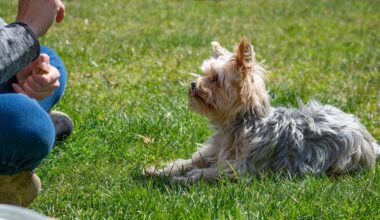
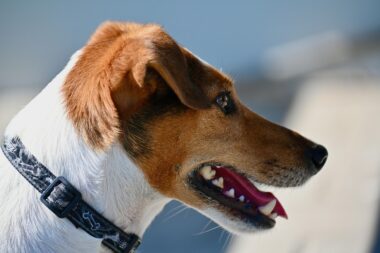
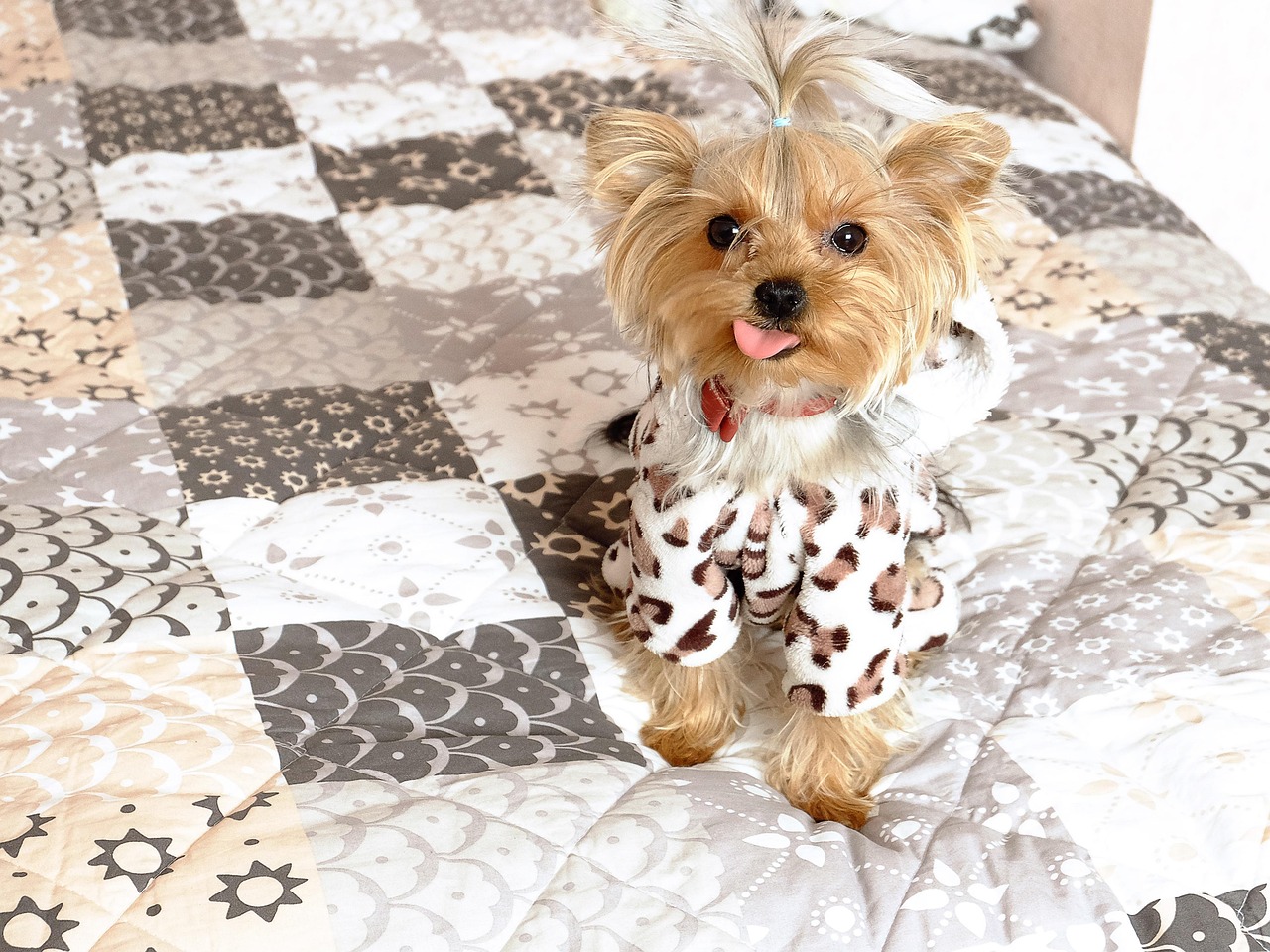
When aiming to photograph dogs, understanding their body language is crucial. Dogs communicate primarily through their body posture, facial expressions, and movements, which can dictate their moods. Observing subtle signs can lead to capturing extraordinary moments. For instance, a dog that appears relaxed with loose muscles and a wagging tail is likely in a happy state. Conversely, stiff legs, a lowered head, and tucked tails can indicate fear or anxiety. Recognizing these signs is essential for both your safety and the dog’s comfort. Before photographing, take a moment to observe the dog and acclimate to its behavior. Approach slowly and calmly, allowing the dog to get comfortable with your presence. Also, consider using treats or toys to engage the dog’s interest, making your session more interactive. This will help you capture genuine expressions and actions, leading to photos that tell a story. Always prioritize creating a positive environment during your shoot sessions, ensuring the dog feels happy and safe. With this foundation, you’re setting up for successful dog photography, resulting in captivating images that highlight the dog’s personality.
Additionally, a well-chosen time for shooting can significantly affect your photographs. Early mornings and late afternoons often provide the best natural lighting, yielding soft glows and dynamic shadows, making your dog photographs more visually appealing. Overhead sun, usually found midday, can lead to harsh lighting and unflattering shadows. Always keep an eye on the sun’s position throughout the session. Furthermore, consider the location; parks or backyards can present a real-life context to your images, enhancing their storytelling quality. Natural settings allow dogs to express themselves authentically, leading to candid moments worth capturing. Pay attention to the dog’s interactions with the environment; dogs love exploring their surroundings, and these interactions often create stunning images. While photographing, try different angles; shots taken from a dog’s eye viewpoint can provide unique perspectives that emphasize their personality. Remember to remain patient and prepared for spontaneous events. Having your camera ready and settings adjusted prevents missed opportunities to capture memorable actions, like playful leaps or an adorable tilt of the head. The joy in dog photography comes from these unpredictable moments, allowing the dog’s character to shine.
Utilizing Tools for Outstanding Results
Utilizing the right photography tools is equally important in dog photography as understanding their body language. A good camera with fast autofocus can make a world of difference; it allows for quick captures of moving subjects, especially during playtime. A telephoto lens can also be beneficial, letting you maintain distance while getting close-up shots of the dogs without interrupting their behavior. Consider using continuous shooting modes to capture multiple frames in quick succession. This feature is great for snapping those precious moments when a dog is in motion—running, jumping, or interacting with others. Additionally, don’t forget to experiment with different settings, adjusting the aperture and shutter speed for dynamic shots. A wider aperture will create a blurry background, allowing the dog to stand out starkly in focus. Consider incorporating props to add a layer of interest. Toys in shots can evoke emotional responses, showing off the bond between dog and owner. These tools and techniques can elevate your photography game, leading to engaging and vibrant images. Before long, you’ll see significant improvements in your dog photography skills.
Moreover, when photographing dogs, employing treats as a tool for direction, engagement, and motivation can be invaluable. Utilizing a treat can help capture the dog’s attention, guiding them to look in the right direction or perform desired poses. This is especially helpful when trying to get the dog to cooperate with specific scenarios or shoots. Rewarding good behavior offers positive reinforcement and helps build a rapport between you and the dog, ensuring a more enjoyable photoshoot experience. Choose treats that are small and easy for the dog to eat, providing immediate rewards that won’t disrupt the session. When utilizing treats, timing is key; reward the dogs promptly when they follow your cues to keep them engaged. Photography can also involve creative posing ideas using their favorite toys, leading their attention towards them. As the dog interacts with its favorite props, you’ll be able to capture more natural emotions and moments. The key is to remain patient and adaptable during the process, waiting for those spontaneous interactions. Mastering these techniques will assist in producing beautiful images that are full of life.
Understanding Specific Dog Breeds
Understanding specific dog breeds can also give insightful clues into their behavior and body language, which can directly impact your photography results. Different breeds often exhibit unique traits in terms of their posture, expression, and interactions. For instance, Labrador Retrievers, known for their friendly and outgoing nature, may present themselves with a joyful stance and wagging tail. In contrast, breeds like Greyhounds may exhibit calmness but can also display quick bursts of energy during play. Familiarizing yourself with these tendencies is imperative to capture their innate characteristics effectively. Explore body language cues specific to various breeds to identify when they’re excited, relaxed, or anxious. This knowledge allows you to anticipate moments that are most photogenic. Each breed offers various opportunities for different moods and activities—understanding those nuances will help improve your shooting success. Furthermore, researching breed-specific traits often enhances your overall experience, contributing to greater dog photography success. Understanding breeds deepens not only your appreciation for dogs but elevates your photography to a level that genuinely reflects the breed’s spirit.
Another important aspect to consider is the impact of socialization on a dog’s body language during your shoots. Well-socialized dogs exhibit confidence, often displaying relaxed body language, which can lead to authentic and aesthetically pleasing photographs. Socialized dogs are more comfortable around various people and environments, making them more likely to showcase their personality through actions. Conversely, dogs lacking socialization may express anxious behaviors, manifesting through body stiffness, avoidance, or growling, which could lead to less favorable photographs. When choosing a location for your shoot, consider the dog’s social history and ensure it’s a comfortable space for them. If an unfamiliar place leads to nervousness, it may be worthwhile to choose a more familiar area, allowing comfort and relaxation to take the forefront. Each photography session should be customized to adapt to individual dogs, ensuring their distinctive traits shine through. Working patiently, customizing your approach, and allowing the dog to adapt will guarantee you don’t miss quality moments. Understanding the nuances concerning socialization directly enhances the storytelling element in your dog photography.
Editing Your Dog Photos
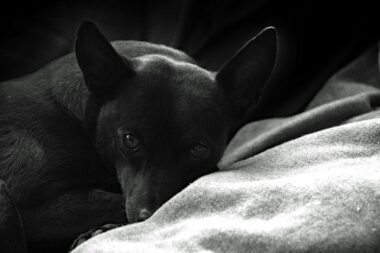
Editing your photographs after the shoot can further enhance their appeal and quality. Post-processing is vital in achieving striking visuals that capture each dog’s personality while sharpening their features. Basic adjustments like cropping, brightness, and contrast can bring life to otherwise dull photos. Software tools such as Adobe Lightroom or Photoshop allow for a range of editing options, from simple enhancements to extensive manipulation. When editing, aim to keep the dog’s natural expressions intact, avoiding over-editing that could transform them unrecognizably. Manipulating color balance can also emphasize the beauty of the dog’s coat while maintaining the realism of the image. Many photographers also add filters to create moods that align with their artistic vision while keeping the dog’s essence unchanged. Don’t forget to utilize tools for removing distractions in the background, allowing the dog to take center stage. Additionally, experimenting with black and white settings can provide a timeless quality to your photographs, showcasing character uniquely. Editing thus forms the final touch in ensuring your dog photographs are as engaging and beautiful as possible.
Finally, sharing your dog photography on social media and with local communities can deepen the enjoyment of this artistic endeavor. Online platforms give you a chance to showcase your work and express the joy that comes from your photography experiences. Additionally, you may inspire others to appreciate their dogs’ body language through your images. Don’t hesitate to join online photography groups where you can share tips, seek feedback, and connect with like-minded photographers. Engaging with a community can provide support, encouragement, and new insights that enhance your skills. Platforms like Instagram and Pinterest are particularly well-suited for sharing photographs, allowing for hashtags to reach a wider audience. However, always remember to credit your subjects—after all, they deserve recognition for their beauty! Consider creating a portfolio website to exhibit your best work effectively. Furthermore, participating in dog photography contests can bring additional exposure and valuable competition experience. Ultimately, sharing your photos helps cultivate a broader appreciation for dog photography while documenting the unique personalities each dog has. It allows for celebrating the unbreakable bond between dogs and humans, thus enriching this journey further.