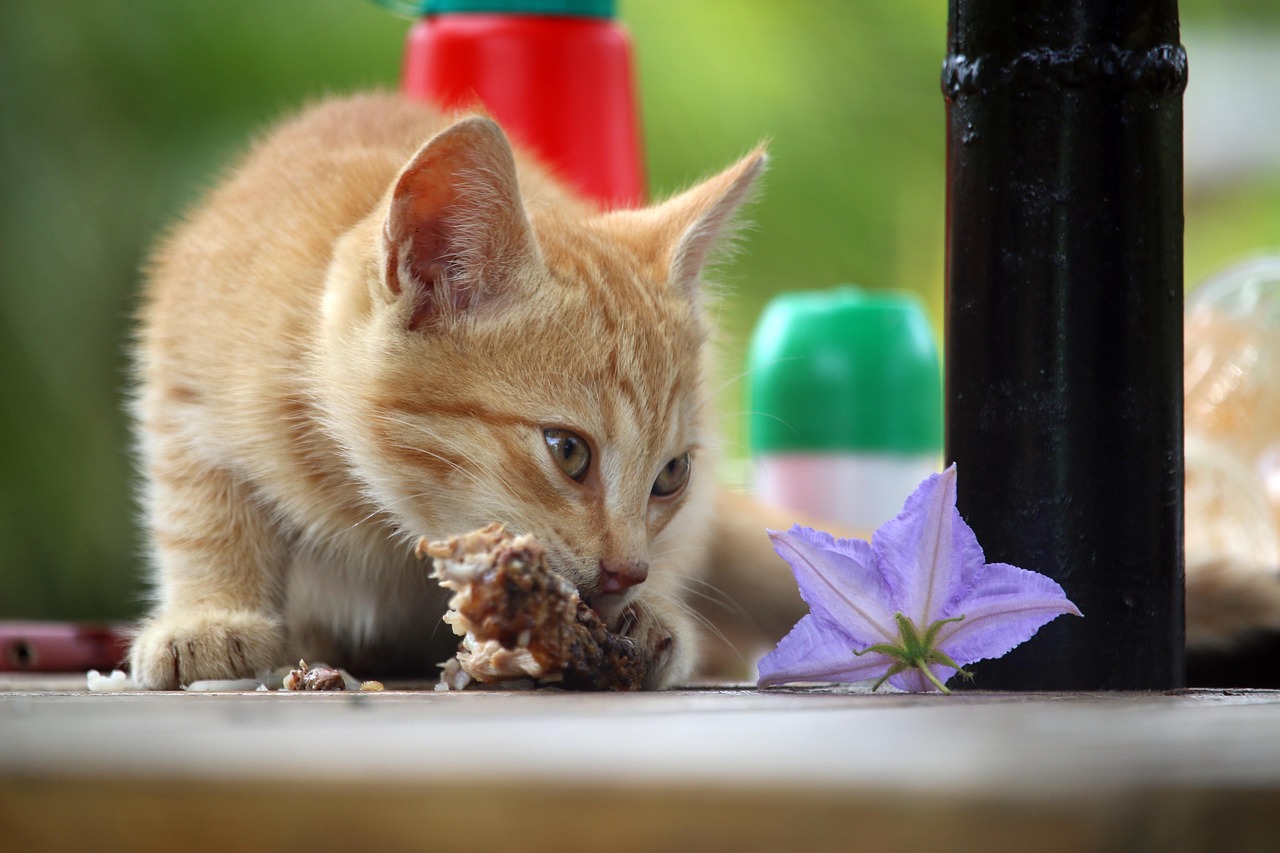

The Role of Feeding Time in Reducing Cat Territorial Behavior
Feeding time serves as a crucial opportunity for socializing cats. Cats are territorial creatures and may display aggressive or defensive behaviors during meal times. By introducing multiple cats during feeding sessions, owners can help mitigate these territorial instincts. Slowly integrating cats into shared environments allows them to adjust to each other’s presence. This socialization method encourages a sense of community and reduces the notion of competition over food. Establishing a routine around feeding can lead to decreased anxiety among cats. When cats feel secure in their territory during meals, they are less likely to react negatively to one another. Additionally, observing each other’s eating habits can promote healthy competition over food consumption and reduce aggressive interactions. Owners should provide separate feeding stations initially to minimize stress. Over time, as trust builds among the cats, these stations can gradually be brought closer together. Paying attention to each cat’s unique behavior allows owners to fine-tune the feeding process, achieving the ultimate goal of peaceful coexistence. In the long run, these practices contribute to developing healthier social structures within multi-cat households.
Creating a positive feeding environment enhances not only the cats’ well-being but also strengthens the bond between owners and their felines. By actively engaging in this process, owners can better understand their cats’ specific preferences. For instance, some cats may thrive on a certain type of food, while others may prefer different textures or flavors. Observing their reactions during mealtime can provide valuable insights. Owners should experiment with various food types to determine what truly excites their pets. Additionally, timing is critical; feeding at the same time each day fosters a structured environment for the cats. As they become accustomed to a schedule, their anxiety levels decrease, paving the way for improved social interactions. Moreover, using feeding times for positive reinforcement is highly effective. Rewarding desired behaviors during mealtimes can help shape a cat’s conduct positively. For example, when one cat demonstrates calmness during another’s meal, treats can be given to encourage this behavior. Assessing body language during these interactions can further aid owners in fine-tuning their cats’ responses to one another.
Utilizing Shared Food Experiences
Implementing shared food experiences is another way to assist in reducing territorial behaviors among cats. Interactive feeding methods, such as puzzle feeders, can stimulate both mental engagement and social interaction. These types of feeders require cats to work together to achieve a common goal – accessing their food. Cats naturally exhibit curiosity; therefore, puzzle feeders encourage teamwork. As they figure out the mechanics of these feeders, they learn to coexist during mealtimes. Alternatively, incorporating communal feeding might be beneficial. Placing food in a central area where all cats can access it simultaneously encourages a more relaxed attitude towards sharing. Nonetheless, it’s essential to stay vigilant to prevent disputes over food resources. Monitoring from a distance allows owners to intervene if any aggressive behavior occurs. Owners can transition cats towards eating closely together gradually, promoting their comfort. By establishing these shared rituals over time, cats start to associate feeding time with positive experiences. Consequently, feeding sessions evolve into bonding opportunities rather than just functional activities. This shift positively influences their behavior, fostering a peaceful multi-cat environment.
Another vital aspect of feeding time is choosing appropriate materials for bowls and feeders. Durable and non-intrusive designs can greatly affect how comfortable each cat feels. Cats are sensitive to their surroundings, and the right feeding setup promotes a more relaxed atmosphere. For instance, using ceramic or stainless steel bowls prevents static charge and negative associations during mealtime. Wood or plastic options may not be ideal as they can harbor scents or bacteria. Ensuring the feeding area remains clean and free from distractions is crucial. Reducing noises or high-traffic areas can help to maintain focus on food without feeling threatened. Additionally, feeding cats in various locations may help them adapt better to changes in their habitat. This flexibility encourages them to associate eating with multiple safe spots, reinforcing their sense of security, even amidst challenges. Furthermore, incorporating toys or treats that engage them near the feeding area can create positive experiences. These activities help create a conducive atmosphere that supports a positive feeding routine among all household cats.
Monitoring Progress and Adjusting Strategies
Monitoring and adjusting strategies during feeding time is essential for successful socialization. Owners must keep a close eye on the dynamics among their cats to observe how well they adapt to shared meals. Every cat has unique personalities; thus, careful observation is necessary to understand their interactions. If territorial behaviors persist despite established feeding routines, it may be time to revisit some methods. Creating a more gradual introduction process can sometimes alleviate residual anxieties. This may involve separating cats again and slowly reintroducing them at separate feeding times. Also, ensuring each cat receives individualized attention during feeding helps build trust. Bringing awareness to their specific needs reinforces positive associations with mealtime. Engaging in play sessions either before or after meals can strengthen the bond between cats. Ultimately, consistency in routine allows cats to understand predictability, offering comfort and stability in their lives. Using motivational techniques, like praise or treats for positive behavior, reinforces a solid foundation for long-lasting changes in territorial tendencies. Overall, by being attentive and adaptable, owners pave the way for smoother feeding experiences and healthy social dynamics.
Establishing a safe feeding routine goes beyond reducing territorial behaviors; it contributes significantly to overall health. Cats that feel secure during mealtime are less likely to exhibit stress-related issues, fostering a more stable emotional state. Nutrition plays a critical role in achieving this enhanced state of well-being. Consequently, ensuring all cats receive adequate nutrition while socializing can create a positive chain reaction. When cats share meals harmoniously, they are less likely to engage in food-related aggression. This positive experience reinforces social order and hierarchy among group members, mitigating territorial disputes. Moreover, feeding time allows for critical health checks. While cats dine, owners can monitor each cat’s eating habits, ensuring no one is overeating or refusing food. This attention to dietary habits serves as an early detection system for health issues. Additionally, less stressed cats typically exhibit better resilience toward illness and infection. Improved respiratory health, stronger immune systems, and enhanced digestive stability are all direct benefits of peaceful feeding preparation. Owners should actively promote this atmosphere to ensure that their cherished felines thrive in their shared spaces.
Conclusion: The Impact of Feeding Time
The impact of feeding time in reducing territorial behavior among cats cannot be overstated. By employing strategic feeding techniques and fostering a secure environment, owners can significantly improve their cats’ social behavior. Encouraging positive interactions during meals develops healthier relationships within multi-cat households. Owners must be aware of their cats’ specific personalities, enabling them to tailor feeding approaches accordingly. Incorporating shared feeding experiences, such as communal bowls or puzzle feeders, raises each cat’s confidence and acceptance of one another. As continued positive reinforcement becomes embedded within the routine, the benefits multiply. Engaging in monitoring and adjusting feeding strategies helps owners fine-tune the balance of interactions while building lasting bonds. Ultimately, these practices create a vibrant community within the household, alleviating stress and promoting healthier dynamics. Investing in feeding time socialization is an invaluable initiative towards improving the quality of life for all felines involved. In conclusion, transforming mealtime into a harmonious experience fosters peaceful coexistence, and, more importantly, strengthens the bond between cats and their owners, advocating for a tranquil multi-cat environment.
Healthy and happy cats flourish in their social structures, allowing owners to enjoy a fulfilling relationship with their pets. Addressing territorial behaviors through feeding time stands as a hallmark of successful cat ownership. As cats thrive in well-structured environments, their bonds deepen, enriching not only their lives but also providing joy to their caretakers. Owners should embrace these strategies, enhancing their journey with their furry companions.