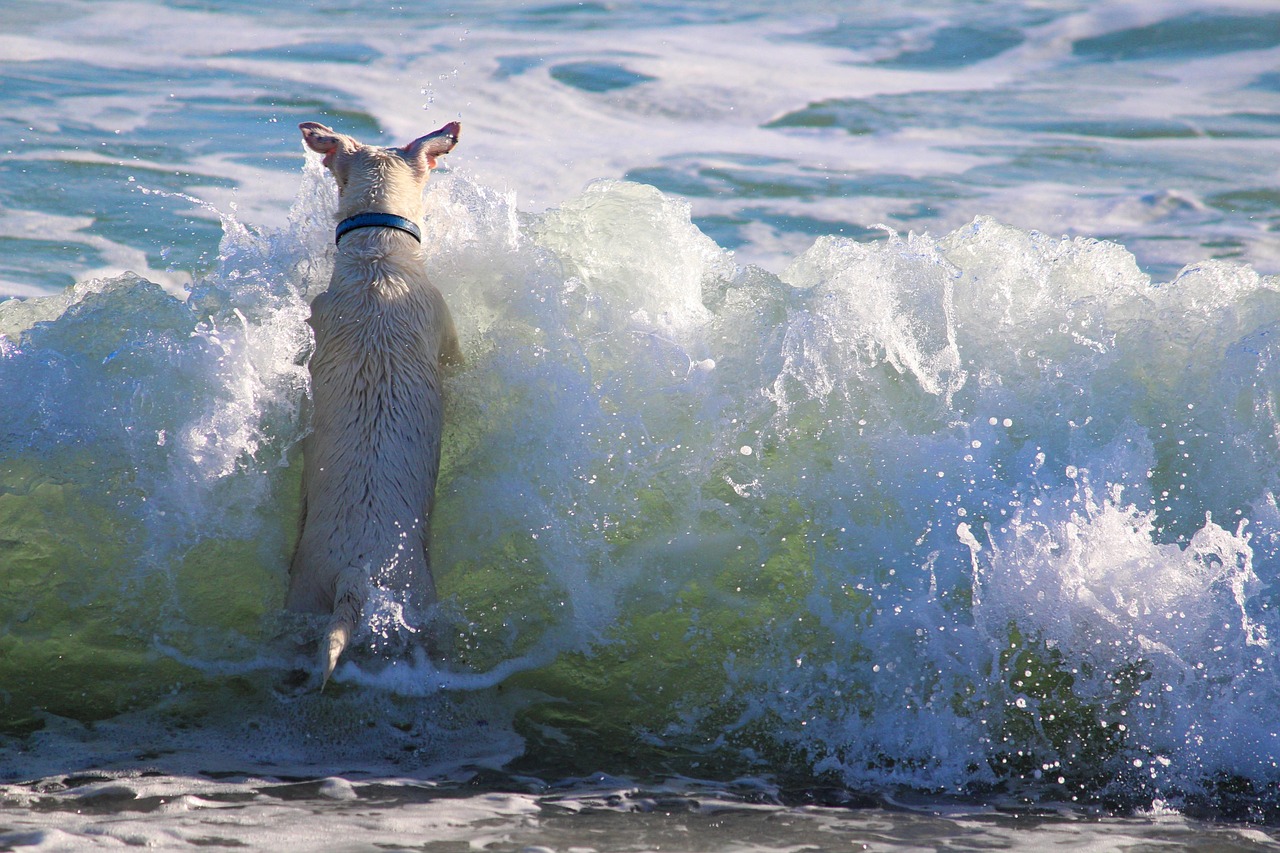

Training Young Puppies for Future Water Rescue Work
Training young puppies for future water rescue work is an intricate process that lays the foundation for their success. Puppies are naturally inquisitive and adaptable, making them ideal candidates for training. The initial step focuses on building trust between the trainer and the puppy. This bond is essential to ensure that the dog feels safe and secure throughout the training process. Socialization is equally crucial; exposing puppies to various environments helps them become well-rounded and confident dogs. Additionally, basic obedience training provides the foundation for more advanced skills later. Commands such as sit, stay, and come form the basis of any effective training program. It’s also important to make training sessions fun and engaging to maintain the puppy’s interest and enthusiasm. Using positive reinforcement, such as treats and praise, encourages the dog to repeat desired behaviors. The training should be gradual, allowing the puppy to adapt to new skills at their own pace. This method not only fosters learning but also helps mitigate anxiety during water rescue scenarios. Lastly, incorporating playtime encourages a healthy lifestyle while strengthening the bond between the trainer and the puppy.
Once basic obedience has been established, the next phase focuses on introducing water-related activities. Puppies should be introduced to water gradually, starting with shallow environments. This initial exposure can begin with simple play, using toys to encourage them to wade in and get their paws wet. Safety should always be the priority; having a life vest designed for dogs can provide additional security. As they gain confidence, they can be led to deeper water where they can learn to swim. Practicing swimming aids in developing their physical fitness and also prepares them for actual rescue scenarios. To ensure the puppy is comfortable, it is essential to create a positive association with water. Use encouraging words and rewards during these explorations to reinforce positive behavior. Teaching them to retrieve floating objects can also be beneficial, combining play with purposeful activity. Let them explore different types of water surfaces, such as a pool or a calm lake. Over time, increase the complexity of the tasks, maintaining a balance between challenge and achievable tasks to keep the puppies engaged.
Building Confidence in Water
As puppies progress toward becoming water rescue dogs, building their confidence in the water is essential. Familiarization with different water conditions prepares them for real rescue situations. Start by exposing them to calm waters, gradually introducing mild currents. This exposure helps them navigate various challenges they may encounter. During these sessions, encourage the puppies to paddle and swim freely while monitoring their reactions. Praise them consistently for showing bravery and taking initiative. It’s crucial to understand each puppy’s limits; pushing them too quickly can lead to anxiety, thus hindering their training. Incorporate games involving fetching objects from the water, which reinforces both retrieval skills and confidence. Balancing fun with learning creates a positive experience, ensuring puppies associate water with good outcomes. Continuing to engage with water in a playful context fosters resilience and adaptability. Over time, dogs will become more adept at adjusting to challenges they face in their missions. Additional training can include working with rescue dummies, simulating real-life scenarios that they will encounter during actual rescues, solidifying their skills further.
The role of teamwork is paramount in training water rescue dogs. A strong relationship between the dog and the handler enhances the effectiveness of their training. Begin by establishing effective communication through commands and signals. This connection ensures that during a rescue, the dog can respond quickly and decisively to the handler’s cues. Practicing these interactions in various water scenarios helps solidify trust and reliability. Engaging in team exercises including multiple dogs or trainers fosters a spirit of cooperation. Furthermore, exposing puppies to different handlers prepares them for situations they may encounter in real rescues, where various people may work alongside them. Weekly training sessions should be organized to refine their skills and build familiarity with multiple scenarios. During these sessions, rewarding positive behavior strengthens compliance and eagerness for participation. As they work harmoniously in different setups, their ability to problem-solve enhances, making them more capable and reliable in critical situations. Regular training not only hones their skills but also fortifies their confidence and readiness for future challenges.
Advanced Skills for Water Rescue
After establishing a solid foundation in basic and intermediate skills, advancing the puppies’ training to specific water rescue techniques is vital. Training should involve teaching the dogs to recognize distress signals, an essential skill for rescue missions. Utilizing scenarios where they identify and respond to specific sounds or visual cues can be effective. This technique not only sharpens their instincts but also enhances their response time during emergencies. Moreover, incorporating commands that relate specifically to rescue tasks helps solidify their training. For instance, practice commands like “hold” to ensure they can carry objects without damaging them. Alternatively, reinforce the “stay” command to learn correct positioning and remain calm during a rescue. Additionally, working with flotation devices allows puppies to understand how to utilize them effectively in rescue situations. Simulating various conditions, including rough water or inclement weather, prepares them for unpredictable environments. Engaging in role-play during training ensures that puppies experience hand-led rescues, offering real-world practice. Continuing to emphasize positive reinforcement throughout this phase fosters not only skill development but also strengthens their enthusiasm for learning.
Proper health maintenance is essential for any aspiring water rescue dog. Regular veterinary check-ups ensure the puppy stays healthy throughout their training. It’s crucial to assess their physical and mental wellbeing, as it impacts their performance. Vaccinations must be up to date, protecting them from potential illnesses during training sessions. Additionally, a balanced diet tailored to their activity level is necessary to maintain optimal performance. Focus on providing high-quality dog food that supports growth and energy for rigorous training. Hydration is equally critical, especially when engaging in physical activity, particularly in warmer weather conditions. Always provide access to fresh water during training. Regular grooming and inspection of the dog’s coat and skin can prevent conditions that may impede their training. Show readiness to adjust nutrition and care routines according to the puppy’s growth stage and training intensity. Owners should, therefore, educate themselves about proper canine care to ensure the dogs receive the best support possible. Maintaining a healthy lifestyle enhances puppies’ patience levels and overall performance as they develop into effective rescue dogs.
The Importance of Continuous Training
Water rescue training doesn’t end when a puppy completes initial training; continuous learning and practice are vital. Ongoing training sessions allow dogs to refine their skills, ensuring they remain prepared for various rescue situations. It is crucial to implement regular drills that mimic real rescue scenarios. These mock rescues will help them retain skills and improve their response time under pressure. Continuous learning also provides opportunities to address areas that may need improvement. Engaging with other water rescue teams can share knowledge and tactics, enhancing performance potential. Over time, including new commands and scenarios can maintain their interest and enthusiasm for training. A routine that introduces new challenges keeps it fresh and stimulating. Adaptability is key in rescue situations, so behavior that encourages creativity during practice ensures they can respond effectively in real-life emergencies. Building on experiences and introducing newly developed skills are significant for a rescue dog’s success. Maintaining ongoing communication between the handler and dog throughout this prolonged training phase is essential as it strengthens their partnership and trust, ultimately making them a more effective rescue team.
In conclusion, training young puppies for future water rescue work is a rewarding endeavor that requires dedication and patience. Establishing a solid foundation in obedience and gradually introducing water activities will prepare puppies for their roles. The relationship between the trainer and puppy plays a vital role in their success, and nurturing this bond is crucial. Continuous exposure to water and training reinforces confidence and builds essential skills. By fostering teamwork, effective communication, and collaborative exercises, both the dog and handler become a cohesive unit capable of overcoming challenges. Adopting a healthy lifestyle through proper care and nutrition is also indispensable for peak training performance. Continuous training should not only focus on new skills but also on refining existing ones, ensuring they remain competent and ready. Therefore, the journey of training a water rescue dog is an ongoing process filled with valuable lessons for both the puppy and its handler. Ultimately, the combination of love, commitment, and structured training transforms enthusiastic puppies into reliable, life-saving heroes in water rescue situations.