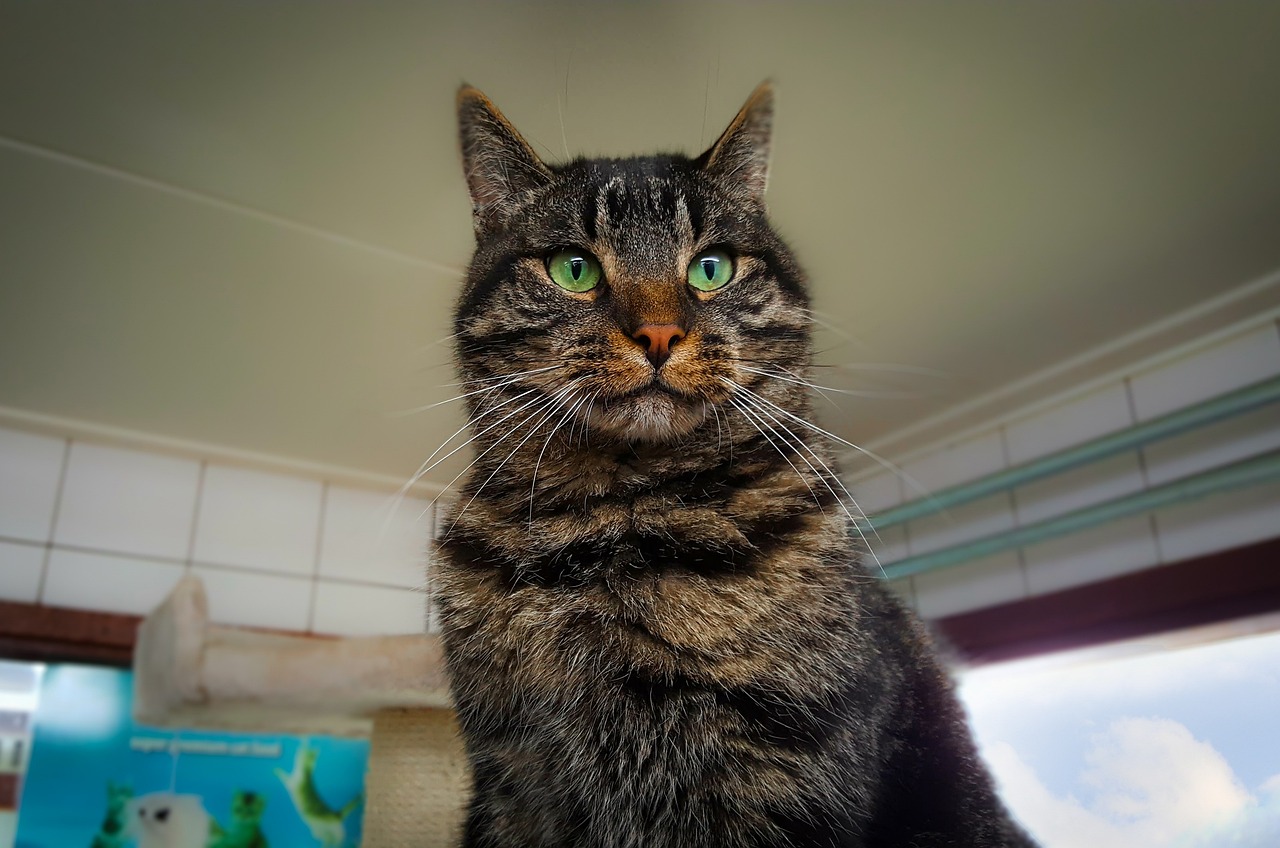

Creating Safe Shelters for Stray Cat Colonies
Managing stray cat colonies involves creating safe shelters that protect these cats from harsh elements, predatory animals, and human interference. To achieve this, it’s vital to choose a suitable location for the shelter. Areas away from busy streets are ideal. Additionally, shelters should provide adequate space, enabling cats to feel secure and comfortable. It’s also important to consider the shelter’s design; it should be insulated and well-ventilated to keep the cats warm in winter and cool in summer. Materials used in construction should be safe and durable. Regular cleaning and maintenance are essential to ensure the health of the colonies. Using weather-resistant materials for shelters minimizes wear and prolongs their lifespan. Furthermore, incorporating a feeding station nearby supplies the necessary nutrition these cats require. Attention should also be given to the waste management system to maintain sanitation. Collaborating with local communities is crucial to gather support and resources for building and maintaining these shelters. Involvement in community events can raise awareness about the plight of stray cats, encouraging adoptions and responsible pet ownership. By providing well-constructed shelters, we help promote healthier lives for these feline communities.
One effective way to build safe shelters for stray cat colonies is by using simple, cost-effective designs that can be easily replicated. For instance, insulated boxes made of wood or sturdy plastic can serve as excellent shelters. It is essential to ensure that these shelters are at least 18 inches off the ground, which protects them from dampness and frosty conditions. Add a flap or door that allows easy access for the cats while keeping out harsh winds and rain. Create an entrance that is large enough for felines but too small for larger predators. Position shelters in clusters to encourage social behavior among the cats, and also place several feeding stations nearby. This arrangement fosters a safer environment for the entire group. A community collaboration is crucial; the shelter can organize volunteer days for construction and maintenance upkeep. Likewise, providing a shelter that is easy to clean will maintain a hygienic setting. In addition, shelters can be painted or decorated bright to raise awareness among locals. The goal is to create not just a temporary refuge but a supportive community for these stray animals, emphasizing long-term care and understanding.
Utilizing Community Resources
Individuals or groups interested in helping stray cats can benefit significantly from community resources. Local animal rescues and organizations often have guidelines for creating shelters and may even provide materials or funding. Networking with these organizations ensures that efforts align with established practices for cat care. Schools and universities can also serve as valuable partners in pet education and outreach programs aimed at reducing the stray population. Students can work on projects that involve building shelters or participating in fundraising activities. Involving local businesses may yield sponsorship or donations for materials needed to create durable shelters. Additionally, collaborating with veterinary clinics to arrange spay/neuter programs is essential to manage and reduce the number of strays over time. Another excellent resource is social media. Local groups can share information about successful shelter setups, and online forums can provide advice on maintenance and safety tips. Utilizing community resources not only enhances shelter quality but also fosters a collaborative spirit amongst residents. This approach builds awareness about responsible pet ownership while creating a safer environment for stray cats. Through education and collaboration, communities can make a significant impact on the welfare of stray cat colonies.
Choosing the right location for a stray cat shelter is a crucial aspect of safeguarding these animals. An effective location is one that is less trafficked but still accessible for feeding and maintenance. Look for shady spots that protect cats from extreme heat during the summer and offer shelter from cold winds during winter. Locations near parks or wooded areas may provide some natural cover but ensure they are visible for regular visits. Housing a sheltered feeding area close by offers a sense of security and promotes consistent feeding schedules. It is important to be cautious of placing shelters too close to residential areas, as this might lead to complaints from neighbors. Researchers suggest that community buy-in is essential, so hosting informational meetings can foster understanding and support. Educating the community about the benefits of managed cat colonies helps reduce fears about feral cats. In addition, distributing flyers can aid in promoting positive relationships between community members and cat colonies. Providing education on the importance of spaying and neutering helps curb overpopulation. All these factors combined create an environment that is safe and nurturing for stray cat colonies while also easing community concerns.
Building Sustainable Structures
To ensure the longevity of cat shelters, focus on constructing sustainable and weather-resistant structures. When selecting materials, opt for wood or corrugated plastic, as these are durable and capable of withstanding harsh conditions. Additionally, ensure that the structure has a raised floor to prevent water damage. A flat roof can also collect rainwater, which is crucial for maintaining water supply during droughts. Furthermore, incorporate thermal insulation to maintain a comfortable temperature year-round. Modifying the floor plan to feature small compartments can provide a safe space for any new arrivals while allowing social interaction among established colony members. Thoughtful design also includes creating separate entry and exit points, which helps cats avoid predators that might be lying in wait. Installing drainage systems around the shelter can effectively prevent flooding and ensure that it remains dry. Encourage community involvement by sharing ideas for maintaining and improving these shelters. This collaboration fosters a sense of responsibility amongst residents and promotes a culture of caring for stray cats. By designating volunteers for structural upkeep, the shelters can remain effective and efficient for years to come.
Regular maintenance of cat shelters is essential to ensure a safe and healthy environment for the colonies. Develop a cleaning schedule to routinely check each shelter, which should include inspecting for pests, structural damages, or issues related to weathering. Dedicated volunteers can help manage these tasks and ensure that the shelters remain functional. Part of this maintenance involves checking the feeding stations as well, ensuring food is fresh and water supplies are adequate. Consider using washable containers and placing gravel around the feeding area to keep it dry and clean. It’s also beneficial to monitor the health of the cats in the colony, identifying any individuals that appear unwell. If any cat shows signs of illness or injury, contact a local animal rescue for further assistance. Documenting each visit allows for tracking any changes in the colony’s health or behaviors, providing valuable information for future care. Additionally, sharing updates with the community fosters transparency and encourages more people to engage in caring for stray cats. Effective communication means everyone understands the importance of maintaining the shelters, and it helps to cultivate community involvement over time.
Long-term Strategies for Care
Creating a long-term strategy for managing stray cat colonies is imperative in ensuring their well-being. Formulating a plan that includes regular monitoring, feeding, and health checks can greatly influence the overall health of the colony. An annual budget should be established for supplies, such as food and litter, so that resources are efficiently allocated. Community involvement must be encouraged to maintain the sustainability of these initiatives. Offering workshops can educate residents about the importance of responsible pet ownership and overpopulation control. Consider organizing fundraisers to cover veterinary expenses associated with spaying or neutering. Another strategy includes creating a fostering network for friendly cats who might be adopted into homes. Build relationships with local animal shelters to facilitate adoptions and save more cats’ lives. Collaboration with local veterinary clinics can ensure that stray cats receive routine check-ups and vaccinations, keeping both cats and the community safe. Through these long-term strategies, cat colonies can flourish, leading to healthier populations. Ensure that everyone understands their roles, reminding them that every effort counts towards improving the lives of these animals, fostering accountability and compassion amongst residents.
In conclusion, creating and managing safe shelters for stray cat colonies requires careful consideration of design, community cooperation, and consistent maintenance. Utilizing local resources strengthens the bond between these animals and the community, enhancing awareness about responsible ownership and care. Every shelter built provides a haven for these cats, and each effort brings more positive changes for their survival. Volunteers play a vital role, providing not only labor but also compassion and understanding. Each community member can contribute, advocating for the safety of these colonies. Whether through fundraising, awareness campaigns, or hands-on maintenance, every initiative adds value. Encouraging educational programs fosters a culture of empathy towards stray animals and improves their quality of life. With all residents involved, shelters can become sustainable, ensuring that all stray cats have the opportunities to thrive. Ultimately, the goal is to create environments where these cats can feel safe, cared for, and loved. Through collective efforts, we can ensure the well-being of stray cats, positively impacting the local community and wildlife. Together, we can create a brighter future for these beloved felines, fostering bonds between them and the people they encounter daily.