
Homemade Cat Food Recipes to Boost Energy and Vitality
Creating nutritious homemade cat food can be a great way to ensure your feline’s energy and vitality. To start, consider incorporating protein-rich ingredients that cats love. Options include cooked chicken, turkey, and fish. Ensure these meats are thoroughly cooked without any seasonings that may harm cats. Also, explore the addition of organ meats, such as liver, which are nutrient dense. Cats require a balanced diet, so it’s important to include vegetables too. Cat-friendly options like carrots, peas, and spinach can offer fiber and vitamins. To provide essential fatty acids, consider adding fish oil or flaxseed oil to the mix. When blending these ingredients, finely chop them for easy consumption. It’s also essential to consider your cat’s hydration needs, so mix in a bit of water or a broth made without onion or garlic. You can also consult your veterinarian for specific recipes tailored to your pet’s health needs. The goal is to create energy-boosting meals that keep your cat vibrant, active, and purring with happiness.
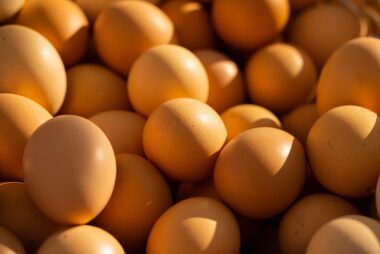
Another splendid idea for homemade cat food is preparing meals with whole grains. Grains like brown rice and oats are not only filling but also provide necessary carbohydrates. However, remember that cats are obligate carnivores and primarily thrive on meat, so grains should only be a small portion of their diet. You can cook these grains separately and mix them with meat to create a wholesome meal. Also, consider using alternatives, such as lentils and quinoa, as these are protein-packed choices. Adding cooked eggs can further boost protein levels in your cat’s food; just ensure they are scrambled or boiled thoroughly. When you’re crafting meals for your cat, be mindful of portion sizes. Too much food, even healthy options, can lead to obesity. For portions, use the suggestions from your vet as guidelines to make sure your recipes are both nutritious and appropriate. Many cats enjoy variety, so keep rotating between different protein sources and vegetables to avoid monotony in their meals. Homemade food not only enhances your cat’s energy but fosters bonding through meal preparation.
Essential Nutrients for Feline Health
To ensure that your homemade recipes maintain your cat’s vitality, focus on including essential nutrients. Cats require taurine, an amino acid essential for heart and eye health, and it’s primarily found in meat. When preparing meals, make sure to include sufficient amounts of taurine-rich ingredients like chicken and fish. Additionally, vitamins A and B provide crucial support for energy metabolism and overall well-being. While meats often contain these vitamins, including vegetables like spinach can enhance their intake. Essential fatty acids, particularly omega-3 and omega-6, are also vital. Incorporating sources like fish can help with skin and coat health, enhancing the overall texture. There are numerous recipes available that take into account these essentials, ensuring your cat receives everything needed for optimal health. Furthermore, consult with a vet to tailor meals specifically to your cat’s health needs or dietary restrictions. When preparing nutrition-packed meals at home, always be cautious about balancing ingredients, and remember that too much of a good thing can be detrimental. Always listen to your cat’s body and adjust recipes for their preferences.
An easy recipe you can try is chicken and vegetable casserole. Start by cooking chicken until it’s fully done, and then shred it into small pieces. In another pot, boil some cat-friendly veggies such as carrots and peas. Mix the chicken and vegetables together, adding a little bit of fish oil for added nutrients. As a final touch, you can mix in some brown rice for carbohydrates. This makes a hearty meal that many cats will enjoy devouring. Another great recipe is turkey and pumpkin mash, which requires ground turkey that you cook thoroughly. Once good and cooked, mix it with canned pumpkin, which is rich in fiber and beneficial for digestion. Blend it into a mash to make it easy for your cat to eat. Adding a sprinkle of catnip can make it an irresistible treat. Remember, adjusting the consistency to your cat’s preference can be important, so feel free to make it chunkier or smoother, depending on how your cat likes it. Meals like these are perfect for keeping your pet energized and healthy.
Benefits of a Homemade Diet
The advantages of preparing homemade cat food extend far beyond its nutritional benefits. One of the primary perks is the control it grants you over ingredients and quality. Commercial foods can have fillers and allergens, affecting your cat’s health. Homemade options allow you to choose fresh, high-quality ingredients that cater to your cat’s dietary needs while avoiding harmful substances. Additionally, cooking at home fosters creativity, enabling you to experiment with various flavors and textures that your cat might appreciate. Cats enjoy different tastes, and even slight shifts in recipes encourage them to stay engaged. This engagement can reduce the chances of picky eating. Another significant benefit is the potential cost savings, particularly if you can buy ingredients in bulk and use them wisely. Homemade recipes often prove to be much cheaper than premium commercial alternatives. Moreover, preparing meals at home fosters a stronger bond between you and your pet, as they come to associate mealtime with love and care. Ultimately, focusing on quality ingredients promotes not just energy but overall well-being for your feline companion.
When transitioning your cat to homemade food, it’s important to do so gradually. Sudden dietary changes can upset a cat’s stomach, so introducing new meals incrementally is key. Start by mixing a small portion of the homemade food with their regular diet, slowly increasing the portion of homemade recipes over several days. This gradual approach helps your cat adjust to the flavors and textures. Monitor your feline’s reaction during this period, ensuring they are receptive to meals and not developing any adverse reactions. If your cat experiences digestive issues like vomiting or diarrhea, revert to the previous diet and consult your vet. Also, always ensure that your homemade food remains balanced; supplementing commercially available cat vitamins may be necessary to cover any deficiencies. Regular vet check-ups will help ensure your cat is thriving on the new diet. Keep a diary of your cat’s eating habits as well, noting any changes in energy levels or behavior. This record can be useful during vet visits to discuss your cat’s health. Transitioning properly ensures that your cat reaps the full benefits of a homemade diet.
Conclusion
Homemade cat food recipes are a wonderful avenue for enhancing your cat’s energy and vitality. Through careful ingredient selection and preparation, you can provide your cat with a nourishing diet that fosters health and vitality. Remember to focus on major nutrients, maintaining a balance that is vital to your furry friend’s well-being. The love and effort you invest into preparing their meals will not only help in building a healthy lifestyle for your cat but will also fortify the bond you share. Adventurous palates can be vital in cats, and experimenting with different recipes can keep mealtime exciting. Be attentive to your cat’s individual needs, preferences, and any health issues that arise, adjusting their diet accordingly. Homemade cat food isn’t just about nutrition; it encompasses love, care, and creativity in every bowl. Exploring new recipes and consistently evaluating their effects will help engage your kitty while enriching their health. Embracing the concept of home-cooked meals could lead to a fulfilling and vibrant life for your beloved cat.
In conclusion, ensuring your cat’s vitality through well-planned, homemade recipes is incredibly rewarding. You gain the joy of cooking for your feline friend while positively contributing to their health and happiness. Engaging in meal preparation opens doors to many possibilities that enhance your cat’s life quality. Always recall that your cat’s needs may change, so remaining flexible and adaptable to such changes is essential. Tailoring diets with an understanding of their energy requirements involves a commitment, but the benefits are immeasurable in life quality. From energy-boosting meals to flavor-rich experiences, homemade cat food lays a solid foundation for a joyful companionship filled with wellness. Moreover, sharing your experiences and recipes can uplift other cat owners looking for healthier options. In today’s fast-paced world, let us show our furry companions love through nurturing food choices. Remember to take the journey step-by-step as you evolve into the homemade food realm together. In this process, you’ll see firsthand improvements in your cat’s mood and energy levels, ultimately creating a happily energized companion.